Inquiry
Form loading...
Choosing a Stainless Steel Salad Bowl supplier takes more than comparing prices or browsing polished product photos. A bowl may look simple, yet its steel grade, rim finish, weight, and forming quality affect daily use. A lightweight bowl can feel flimsy when tossed with dense ingredients, while a poorly finished edge may be uncomfortable to handle. Small details matter.
This overview of ten suppliers worldwide offers buyers a practical starting point, not a universal ranking. It considers factors such as product range, manufacturing experience, customization options, quality documentation, and communication. These details help importers, restaurant groups, retailers, and food-service brands ask clearer questions before requesting samples or quotations. Ask for evidence. A catalog alone cannot confirm consistent production, reliable inspection, or packaging suited to long-distance shipping. Supplier information can also change, so verify current specifications and capabilities directly.
There is no single best supplier for every project. A hospitality buyer may prioritize durable, stackable bowls, while a retailer may need varied sizes and branded packaging. Some suppliers provide clear technical details; others may require follow-up, and that is worth noting rather than overlooking. Not always. Use the list to compare options, then assess samples, written specifications, and service terms against your own needs. A careful review now can prevent avoidable surprises later.
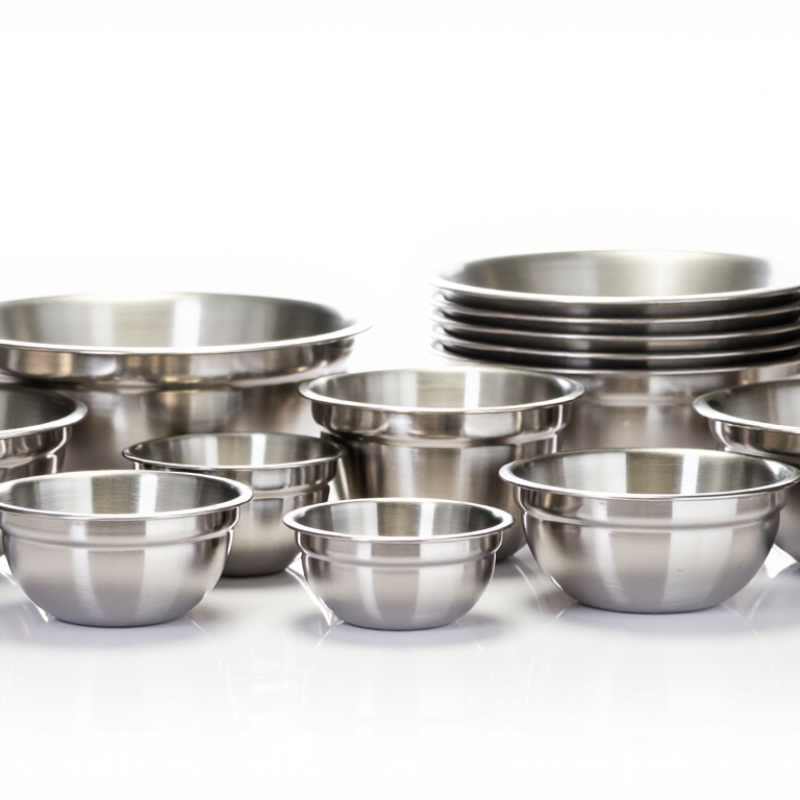
Stainless steel salad bowls are commonly made from 18/8 or 18/10 steel, alloys valued for corrosion resistance and easy cleaning. The number describes chromium and nickel content, not bowl thickness. A heavier bowl feels steadier when tossing greens, while a thinner one is lighter to store. Check the stated steel grade and inspect seams and rims; rough joins can trap food.
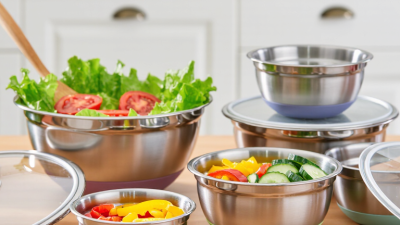
Design affects daily use. Deep, rounded sides help keep lettuce and dressing inside during mixing, and a rolled rim gives a secure grip. A brushed finish hides small scratches better than a mirror polish, though neither stays flawless forever. Small details matter. Nesting bowls save cupboard space, while a fitted lid helps keep prepared salad fresh in the refrigerator. A silicone base can reduce slipping on a smooth counter.
Choose the size for the meal: a small bowl suits chopped herbs or toppings, while a broad, deep bowl gives salad room to turn. Stainless steel also works well for serving fruit, mixing slaw, or chilling ingredients over ice. It is not microwave-safe. Avoid leaving salty or acidic mixtures stored for long periods, especially when the steel grade is unknown. Rinse after use and dry the bowl to limit water marks. Still, test it. A bowl that looks elegant but feels awkward to lift may stay unused.
| No. | Non-Branded Supplier Profile | Typical Material Options | Common Designs and Construction | Typical Uses | Useful Buyer Checks |
|---|---|---|---|---|---|
| 1 | High-volume stainless kitchenware manufacturer | Food-contact stainless steel, commonly grade 304; confirm the specified grade for each model. | Deep-drawn or spun bowls; polished or satin finishes; nesting sets. | Household salad preparation, mixing, and serving. | Request material documentation, dimensions, wall thickness, and finish samples. |
| 2 | Commercial food-service equipment producer | Grade 304 is common; grade 316 may be available for applications needing greater resistance to chloride corrosion. | Large-capacity bowls, reinforced rims, and stackable forms. | Restaurant kitchens, catering, and institutional food preparation. | Check capacity, rim strength, cleaning guidance, and suitability for the intended food-service use. |
| 3 | Premium tableware specialist | Often grade 304; material claims should be verified against the product specification. | Mirror-polished, brushed, or decorative exterior finishes; coordinated serving pieces. | Dining tables, buffet presentation, and entertaining. | Review finish consistency, scratch-care instructions, and packaging protection. |
| 4 | Custom forming and fabrication supplier | Grade 304 or other grades selected to the buyer’s specification. | Made-to-order diameters, depths, rolled edges, and formed profiles. | Specialty food-service projects and custom kitchenware programs. | Confirm drawings, tolerances, tooling costs, minimum order quantities, and sample approval. |
| 5 | Value-focused housewares manufacturer | May offer grades such as 201 or 304; these grades differ in composition and corrosion performance. | Lightweight bowls, simple polished finishes, and economical multi-piece sets. | Everyday household mixing and serving where the specified product is appropriate. | Verify the exact grade rather than relying on a general “stainless steel” description. |
| 6 | Heavy-gauge metalware producer | Commonly specified in 304 for general kitchen use; confirm alloy and thickness per item. | Heavier-gauge bodies, stable bases, and reinforced or rolled rims. | Frequent handling in busy home or professional kitchens. | Compare measured thickness, weight, rim finish, and resistance to denting. |
| 7 | Induction-compatible cookware and kitchenware supplier | May use magnetic stainless steel such as ferritic grade 430 in some products; magnetic response alone does not identify the grade. | Bowls with magnetic stainless components or layered bases, depending on the design. | Food preparation and, only where expressly designed for it, compatible heating applications. | Do not assume a salad bowl is suitable for stovetop or induction use; check its intended-use instructions. |
| 8 | Export-oriented OEM and private-label producer | Grade and finish can vary by order; 304 is widely used for general food-contact kitchenware. | Custom sizes, logo-free or buyer-specified packaging, and assorted bowl sets. | Retail, hospitality supply, and distributor product programs. | Agree on inspection criteria, packaging, labeling, production samples, and applicable import requirements. |
| 9 | Small-batch artisan metalware workshop | Material options depend on the workshop; require written confirmation of alloy and intended use. | Hand-finished surfaces, limited-run shapes, and individually finished rims. | Specialty serving, giftware, and design-led kitchen collections. | Inspect surface uniformity, edge smoothness, repeatability, and care instructions. |
| 10 | Sustainable-packaging and kitchenware program supplier | Material grade should be specified and traceable; stainless steel is durable and recyclable as a material. | Reusable bowls, nested sets, and reduced-plastic packaging options where offered. | Reusable household, catering, and food-service programs. | Request details on packaging materials, product durability, material documentation, and end-of-life guidance. |
This is a non-branded comparison of common supplier profiles, not a verified ranking of individual companies. Stainless steel grade, construction, and intended use vary by product; confirm specifications and food-contact compliance with the supplier before purchase.