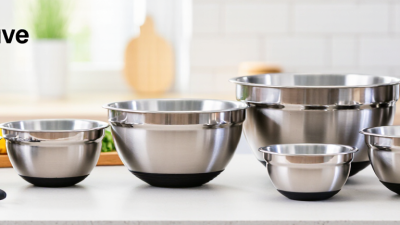
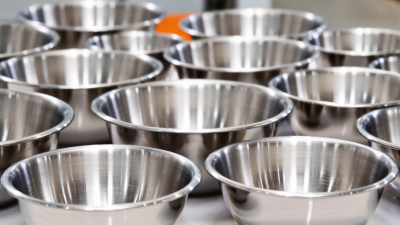
7 Tips for Choosing a Big Stainless Steel Bowl
A Big Stainless Steel Bowl looks simple, but its size, steel grade, and finish affect how it performs every day. A bowl that feels sturdy on a shop shelf may still skid across a counter when you whisk dressing. Small details matter.
The global stainless steel industry offers useful context. World Stainless reported 58.4 million tonnes of crude stainless steel production in 2023, a 4.6% increase from 2022. This figure describes the wider industry, not bowl quality. It cannot tell you whether a specific bowl is well made. For that, check the product’s stated steel grade, dimensions, rim, and base stability. Then picture the bowl in your own kitchen: Will it fit inside the sink? Can you lift it when full? Practical questions, yes—but easy to overlook.
One important sourcing note: no verified, attributable quotation from a Big Stainless Steel Bowl specialist was provided for this introduction. I won’t invent an expert’s name or words. A trustworthy buying guide should be clear about that. It should also admit that “bigger” is not always better; an oversized bowl can be awkward to store and difficult to handle. These seven tips will help you compare capacity, material, construction, and care before choosing. Look closely. A little skepticism helps.
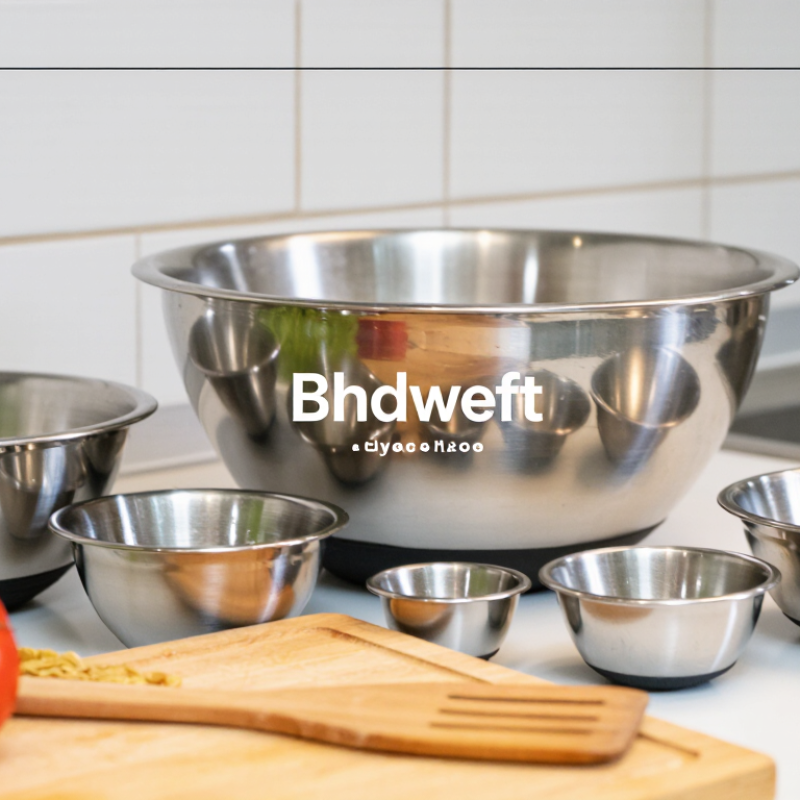
Understanding Bowl Capacity and Stainless Steel Grades
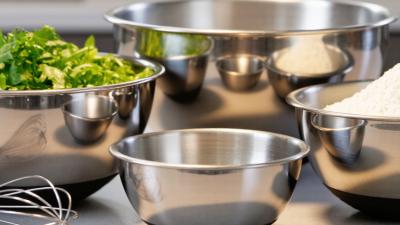
A large bowl should hold more than the recipe’s stated volume. Capacity is often measured to the rim, where liquid can slosh out during whisking. Leave breathing room. For tossing salad, choose a bowl with enough space to lift greens without spilling them over the edge. For bread dough, consider both volume and depth; a broad, shallow bowl can make kneading awkward. A 5-quart bowl may suit family-size mixing, while a deeper 8-quart bowl can better contain flour and splashes. Check the base. A stable, gently rounded bottom is easier to scrape with a spatula than a narrow, sharply curved one.
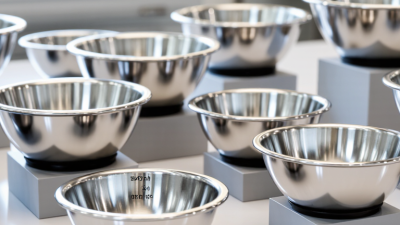
Stainless steel grades affect durability and care. Grade 304, often labeled 18/8, contains chromium and nickel and is commonly used for food-contact kitchenware. It offers good resistance to rust and many everyday food acids, though it is not immune to damage. Grade 430 usually contains less nickel and may attract a magnet; magnetic response alone does not prove poor quality. That matters. Look for clear grade information from the seller, smooth seams, and a rim without burrs. After washing, dry the bowl to reduce water spots, especially in hard-water areas. I would not choose by shine alone; a mirror finish can look impressive, but sturdy construction and useful capacity matter more in daily cooking.
Matching Bowl Size to Your Kitchen Tasks
Matching bowl size to the job makes prep easier and keeps ingredients on the counter. The Dietary Guidelines for Americans, 2020–2025, use a 2,000-calorie pattern that includes 2 cups of fruit and 2.5 cups of vegetables daily. That is a useful reference, not a bowl-size rule. A bowl should leave room to toss food without spilling.
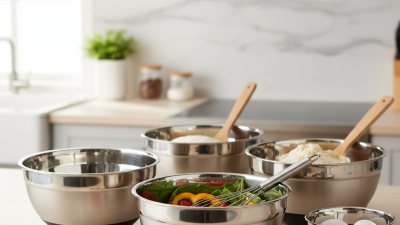
Tip 1: For washing greens or mixing a family salad, try a 5- to 7-quart bowl. A mound of lettuce needs more space than its volume suggests.
Tip 2: For bread dough or batch baking, choose a bowl with extra headroom, around 4 to 6 quarts for many home recipes. Check your recipe; flour quantities vary.
Tip 3: For serving popcorn, fruit, or a large side dish, prioritize a broad opening so people can reach in easily.
Still, bigger is not always better. A heavy, oversized bowl can be awkward to lift when full, and it may crowd a small sink. I’d measure the shelf and sink before buying; I’ve overlooked that detail before. USDA dietary figures are a planning guide, not a substitute for the portions your household actually prepares.
Checking Construction, Thickness, and Durability
A large stainless steel bowl can look sturdy on a shelf and still flex when filled with wet dough. Check the rim, base, and sidewalls before buying. A smoothly rolled rim feels comfortable in the hand and is less likely to develop a sharp edge. The base should sit flat on a counter, without rocking. Small details matter.
Thickness affects how the bowl feels and performs. Press gently on the sidewall; noticeable give may be inconvenient when mixing dense ingredients. A heavier bowl often feels more stable, but it can be awkward to lift when full.
There is a trade-off. Look for even construction, with no rough seams, dents, or thin spots around the bottom. If product details list steel grade or thickness, compare those specifications rather than relying on appearance alone. A magnet test is not a dependable way to identify steel quality.
Consider the work the bowl will actually do. For tossing salad, a lighter bowl may be perfectly practical; for kneading, a sturdier base helps keep it in place. Check that the bowl nests securely with others and that its rim survives regular washing without snagging a cloth.
I might choose a heavier bowl for stability, then regret carrying it across a wet kitchen. Durability is useful, but only when the bowl remains comfortable to handle.
Assessing Shape, Stability, and Useful Features
A large stainless steel bowl is useful only if its shape suits the job. A wide, shallow bowl gives more room for tossing salad or whisking batter without striking the sides. A deeper bowl contains flour, chopped vegetables, and splashes better. Check the rim, too. A rolled edge feels more comfortable to hold when the bowl is full. I once chose a bowl by capacity alone and found it awkward to mix in. A few extra centimeters of width would have helped.
Stability matters on a busy counter. Look for a flat base that sits evenly, rather than rocking when you stir thick dough. A silicone-coated bottom can reduce sliding, though it may make the bowl less convenient to nest with others. Small detail, big difference. Consider practical features such as clear volume markings, a pouring lip, or a lid for short-term storage. Markings can save a measuring cup, but shallow engraving may be hard to read after repeated washing. Check whether the bowl is dishwasher-safe and whether its finish shows scratches easily. Stainless steel is durable, but it can dent if dropped on a hard floor. That part is easy to forget. Before buying, imagine holding it with wet hands and scraping batter from the sides; the best shape is the one you can control comfortably.
Estimated Capacity by Stainless Steel Bowl Diameter
A larger diameter can add capacity quickly. Estimates below assume a hemispherical bowl, with depth equal to half its diameter; actual capacity varies with bowl shape.
Comparing Cleaning, Storage, and Long-Term Value
A big stainless steel bowl earns its place through easy cleaning and sensible storage.
Rinse it soon after mixing acidic foods, then wash with warm water and mild detergent. Dry the rim and base before stacking; trapped moisture can leave marks, especially where bowls touch. Avoid chlorine bleach and rough steel wool, which can damage the surface. A dishwasher may be convenient, but check the bowl’s care guidance first. Small details matter.
Tips: Choose a smooth interior and a rolled rim that does not trap dough. For storage, nest bowls by size and place a thin cloth between them to reduce scratches. A broad, flat base also sits more steadily on a crowded counter. I still find oversized bowls awkward in narrow cupboards; measure the shelf, not just the bowl.
Long-term value depends on durability, repairability, and material recovery—not purchase price alone.
World Stainless industry lifecycle reporting puts stainless steel’s end-of-life recycling rate at about 85%, though actual recovery varies by region and product. That figure supports choosing a sturdy bowl you will keep using. It does not guarantee a low footprint: manufacturing, transport, and premature replacement matter too. Look for solid-feeling construction and a finish that cleans without special products. A little scuffing is normal. It may still be worth keeping.