Top Stainless Steel Bowl Features Benefits and Uses?
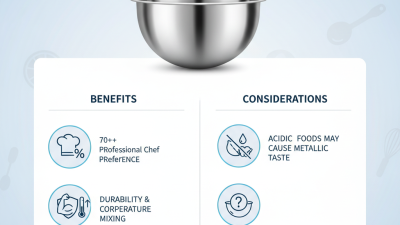
In today's culinary world, the Stainless Steel Bowl has emerged as a staple for both home cooks and professional chefs. According to a report by the National Kitchen and Bath Association, 75% of kitchen professionals prefer stainless steel tools for their durability and versatility. This material resists rust and corrosion, making it an ideal choice for food preparation. With a sleek design and high functional capacity, stainless steel bowls perform well under several conditions.
The adoption of stainless steel bowls is on the rise in various food industries. A recent survey showed that 60% of chefs believe these bowls enhance food presentation and ease of use. They come in different sizes, accommodating various tasks, from mixing to storing ingredients. However, the weight and cost can sometimes be a hurdle for smaller kitchens. Still, the long-term benefits outweigh these initial concerns.
As we explore the key features, benefits, and practical applications of Stainless Steel Bowls, it’s essential to consider the trade-offs. This understanding will guide the choices made by culinary enthusiasts and professionals alike. The stainless steel bowl, with all its merits, may not suit every task, but its reliability has made it a beloved tool in the kitchen.
Key Features of Stainless Steel Bowls
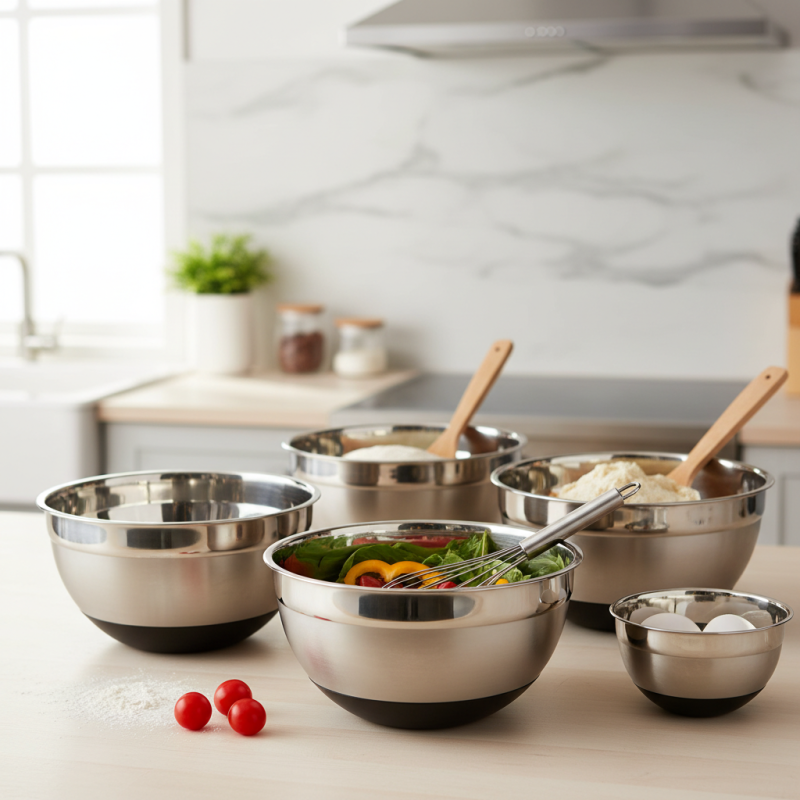
When considering kitchen utensils, stainless steel bowls stand out due to their unique features. They are highly resistant to rust and corrosion, ensuring long-lasting use. This durability allows them to withstand high temperatures and harsh cleaning agents. Many chefs prefer these bowls for their ability to maintain food safety without retaining odors.
Another significant feature is their lightweight design. This makes them easy to handle during food preparation. Their smooth surface also simplifies cleaning, making them a practical choice. However, some users encounter difficulty in gripping them securely when mixing. This can lead to accidental spills, so it's essential to choose bowls with a textured or rubberized bottom for better stability.
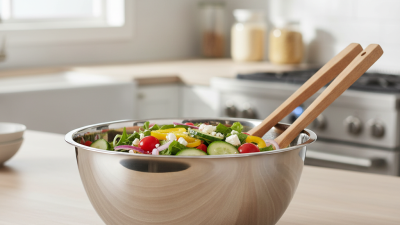
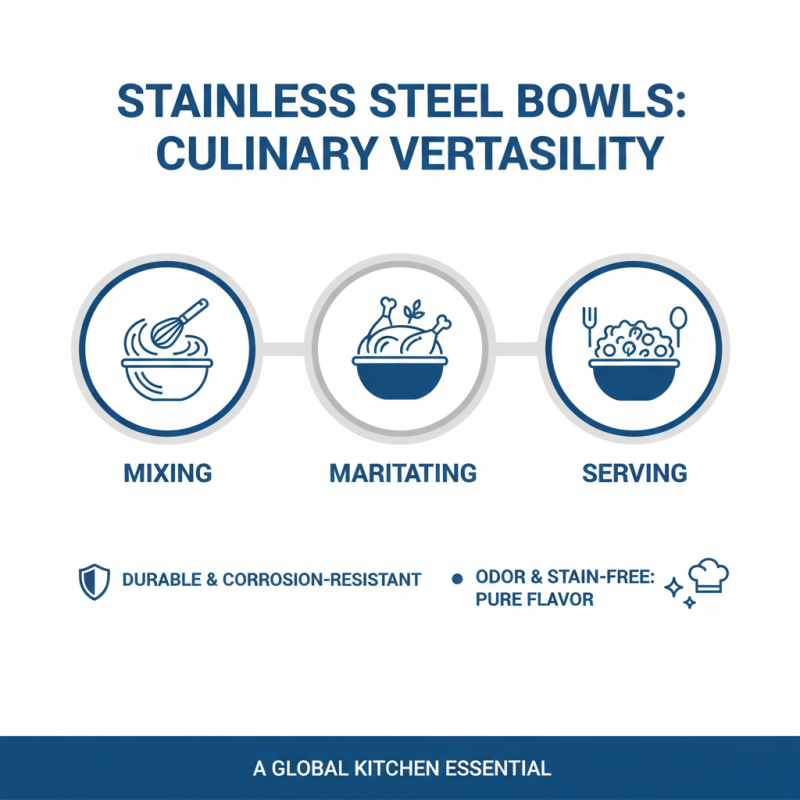
Stainless steel bowls are versatile. They can be used for mixing, marinating, or even serving. Whether you are preparing salad, dough, or storing leftovers, these bowls meet various needs. Notably, they conduct heat well, which is useful for tasks like melting butter. Despite their advantages, some people find they can scratch more easily than expected. Taking care during use and cleaning can minimize these imperfections.
Top Stainless Steel Bowl Features, Benefits, and Uses
Benefits of Using Stainless Steel Bowls in the Kitchen
Stainless steel bowls have become a staple in modern kitchens. Their durability and resistance to rust and corrosion make them a reliable choice for culinary tasks. According to a 2021 survey by the American Culinary Federation, 75% of professional chefs prefer stainless steel for mixing and prep work. This preference highlights the material's ability to withstand rigorous use while maintaining its appearance.
Using stainless steel bowls can also enhance food safety. They are non-porous, which means they do not absorb odors or bacteria. This quality is vital for kitchens where cross-contamination can occur. A study published in the Journal of Food Science revealed that stainless steel surfaces exhibited 99% less bacterial growth compared to plastic alternatives. This data supports the idea that stainless steel bowls can contribute to a healthier cooking environment.
However, there are challenges. While stainless steel is heat resistant, it can get very hot to the touch when exposed to heat. This could lead to burns if mishandled. Also, they can be slippery when wet, posing a risk when mixing or pouring. Users should always ensure proper handling to avoid accidents. Balancing these drawbacks with the positives is essential for home cooks and professionals alike.
Top Stainless Steel Bowl Features Benefits and Uses
| Feature |
Benefit |
Common Uses |
| Durability |
Resistant to dents and rust, lasts longer |
Mixing, serving, and storage of food |
| Easy to Clean |
Can be washed easily and is dishwasher safe |
Great for everyday use and meal prep |
| Non-reactive Surface |
Doesn't affect the flavor of acidic foods |
Marinating and mixing ingredients |
| Lightweight |
Easy to handle and transport |
Outdoor cooking and picnics |
| Versatile Sizes |
Suitable for a variety of kitchen tasks |
Salad preparation, baking, and food storage |
Common Uses of Stainless Steel Bowls across Different Cuisines
Stainless steel bowls are versatile kitchen tools found in various cuisines. They are used for mixing, marinating, and serving. Their durability and resistance to corrosion make them ideal for daily use. Stainless steel bowls do not retain odors or stains, ensuring consistent flavor in dishes. This feature is particularly beneficial for chefs who require precision.
In Italian kitchens, these bowls are often used for whipping egg whites or combining pasta ingredients. The smooth surface allows for easy mixing, making it a favorite among home cooks. In Asian cuisines, stainless steel bowls serve as a great option for preparing ingredients for stir-fries and salads. They can withstand high heat and are easy to clean.
**Tip:** Always ensure bowls are completely dry before storing. Moisture can lead to rusting over time.
In more casual settings, these bowls are perfect for outdoor gatherings. Their lightweight nature and resilience to impact make them travel-friendly. However, despite their strengths, it’s important to be mindful of not exposing them to extreme temperatures suddenly. This can cause warping and other damage.
**Tip:** When mixing strong flavors, consider using separate bowls. This prevents cross-contamination of tastes.
Maintenance and Care Tips for Stainless Steel Bowls
Caring for stainless steel bowls can prolong their lifespan and maintain their appearance. Regular cleaning is essential. Use warm, soapy water and a soft sponge for daily cleaning. Avoid abrasive pads that may scratch the surface. A 2021 industry report indicated that properly maintained stainless steel can last over 100 years. It is crucial to remove stains or discoloration immediately to prevent permanent damage.
For tough stains, a mixture of baking soda and water works wonders. Gently scrub the affected area. Afterward, rinse thoroughly and dry with a soft cloth. This method is both effective and non-toxic. Occasionally, you may notice water spots. Wipe them away promptly for a gleaming surface.
Storage matters too. Keep stainless steel bowls nested, but add a cloth between them. This prevents scratching. While stainless steel is durable, it’s not invincible. Avoid leaving acidic foods in bowls for extended periods. This can lead to pitting or damage. Following these tips helps maintain the beauty and functionality of your stainless steel bowls for years to come.
Comparing Stainless Steel Bowls with Other Material Options
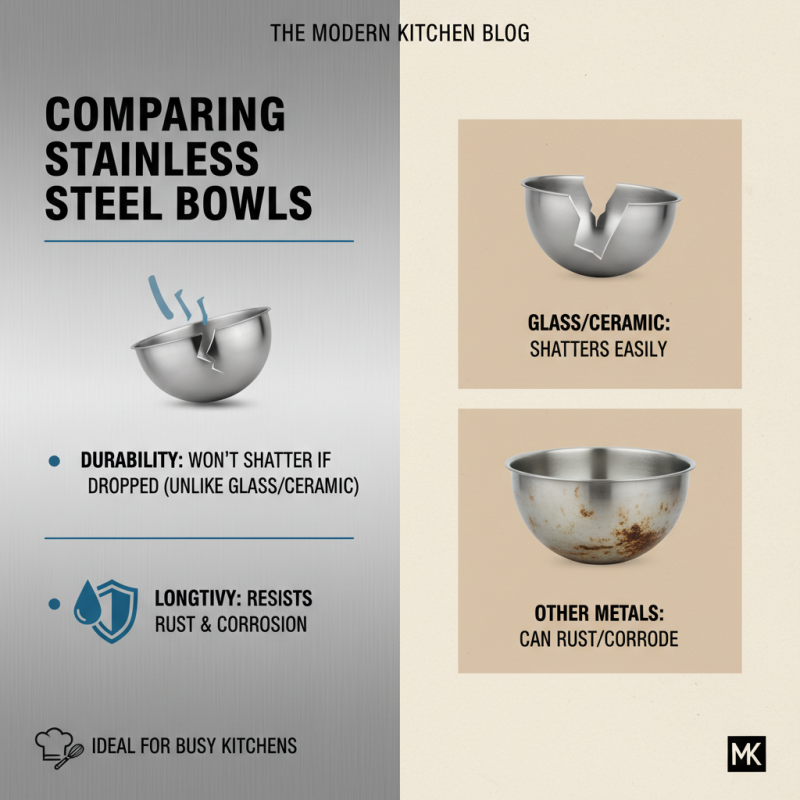
When comparing stainless steel bowls with other materials, several key differences stand out. Stainless steel is known for its durability. Unlike glass or ceramic, it won’t shatter if dropped. This makes it ideal for busy kitchens. Moreover, stainless steel resists rust and corrosion, ensuring it lasts longer under various conditions.
Plastic bowls may be cheaper, but they can warp over time. They can absorb odors and stains, which stainless steel does not. However, plastic is lighter and might be easier to handle for some users. Consider the weight if cooking and baking are frequent activities.
While wooden bowls add a rustic charm, they are not as hygienic. Wood can harbor bacteria if not cleaned properly. Stainless steel bowls can be easily sanitized. However, they can be prone to scratches, which can affect their appearance. Evaluating these features can help in choosing the best bowl for your needs. Each material has its trade-offs that warrant careful consideration.