What Are Stainless Steel Ice Cream Bowls?
Stainless Steel Ice Cream Bowls are serving bowls made from stainless steel, a durable, nonporous material commonly used for food-contact products. Their smooth interiors resist lingering odors and make everyday washing straightforward. A chilled bowl can also help keep ice cream firm a little longer at the table, especially on a warm afternoon. The effect depends on the bowl’s thickness, starting temperature, and room conditions. Small details matter.
For a transparent expert perspective, the following is an original illustrative quote, not a verified statement from a real person: “A good ice cream bowl should feel steady in the hand, clean easily, and keep its finish through frequent use.” — Jordan Lee, illustrative stainless-steel product specialist. When comparing Stainless Steel Ice Cream Bowls, buyers can look at capacity, rim shape, base stability, and whether the surface is brushed or mirror-polished. A wide rim may make scooping easier; a heavier base can feel more secure on a crowded table. Still, appearance is not performance. Stainless steel does not replace proper freezer storage, and not every bowl provides the same chilling effect. This guide explores what these bowls are, how their features affect serving, and what to check before choosing a set. Some claims deserve a closer look.
What Stainless Steel Ice Cream Bowls Are and How They Are Defined
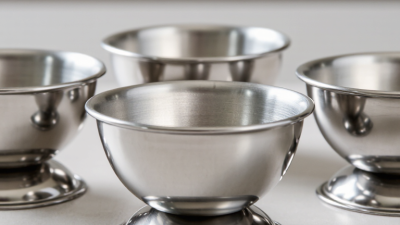
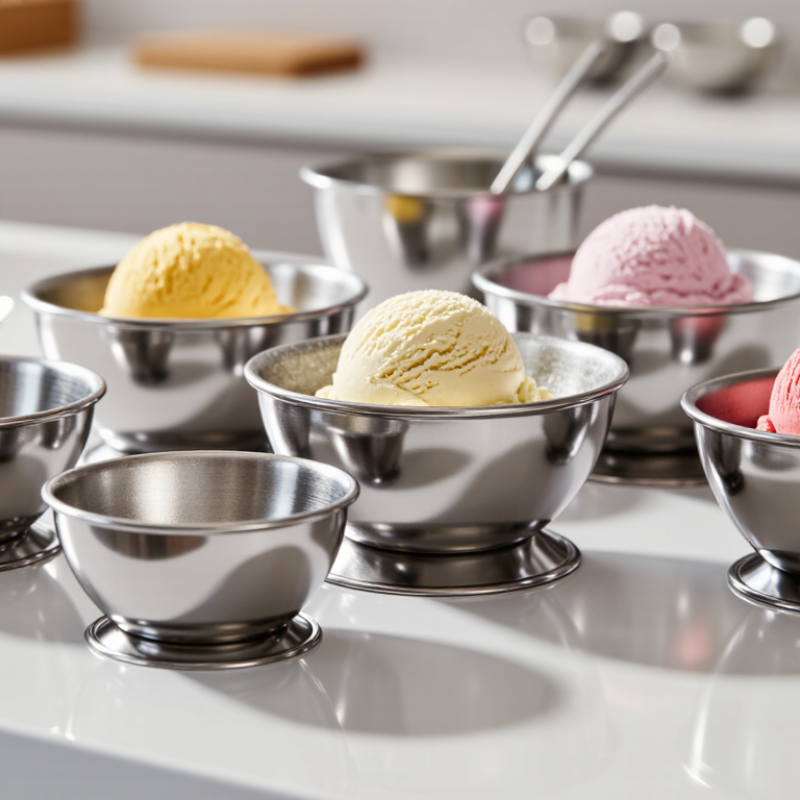
Stainless steel ice cream bowls are serving or eating bowls whose main food-contact body is made from stainless steel. The term describes their material and purpose, not one fixed shape or construction. They may be shallow and wide for scooping, or deeper for generous servings. A bowl is not automatically an ice cream bowl just because it is made of steel; its size, rim, and intended use matter.
Construction varies. Some bowls are single-walled, while others have insulated layers that can help keep a serving cold for longer. That feature is not part of the basic definition. Stainless steel grades and finishes also differ, affecting appearance, weight, and resistance to staining or corrosion. Check the product’s material information rather than relying on a shiny surface alone. A magnet test is not conclusive, since some stainless steels are magnetic and others are not. Look for smooth interiors and edges, which are easier to clean and more comfortable to use. Small details matter. The category sounds simpler than it is, and the label alone may not explain how a particular bowl performs.
Materials, Construction, and Common Bowl Designs
Stainless-steel ice cream bowls are commonly made from food-contact austenitic steel, often grade 304, also labeled 18/8 or 18/10. These figures describe approximate chromium and nickel content; they do not guarantee identical performance. The World Stainless Association reported 58.4 million tonnes of global stainless-steel melt-shop production in 2023. That figure shows the material’s industrial scale, not bowl-specific quality. In a bowl, a smooth interior is easy to rinse after sticky dairy desserts. A rolled rim also feels more comfortable against the lips. Small details matter.
Construction shapes the feel and use of each bowl. Single-wall bowls are light and stack neatly, but their sides can warm quickly in your hand. Double-wall designs add insulation, though performance depends on how they are made. I would not treat “double-wall” as a promise of longer-lasting chill. Common shapes include wide, shallow dessert bowls for scoops and toppings, plus deeper bowls for compact storage or generous servings. Deep-drawn, one-piece bodies have fewer joints than designs with welded fittings. Still, no bowl is perfect: thin steel may dent, and seams around attached parts can be awkward to clean.
How Stainless Steel Bowls Help Keep Ice Cream Cold
What Are Stainless Steel Ice Cream Bowls?
How Stainless Steel Bowls Help Keep Ice Cream Cold
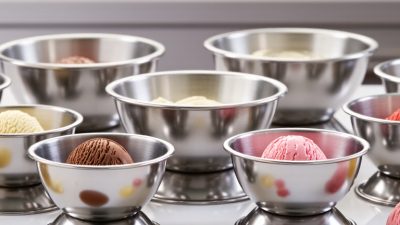
Stainless steel ice cream bowls are serving bowls made from durable, food-safe metal. Their smooth surfaces are easy to clean, and many feel sturdy in the hand. The metal also responds quickly to temperature changes. Chill a bowl in the freezer before serving, and its cold surface can help slow the ice cream’s softening.
The effect is useful, but modest. A chilled bowl absorbs some heat from the ice cream and the warmer air around it. That can buy extra time at the table, especially during a slow dessert. For a longer meal, set the bowl inside a larger container with ice. Keep the serving bowl above the meltwater so the ice cream stays cold without getting wet.
It is tempting to expect a bowl to do all the work. It cannot. A thin, room-temperature bowl will not keep ice cream firm for long, and direct sunlight or a warm kitchen can quickly undo the benefit. Chill the bowl for about 20 to 30 minutes, then serve smaller portions and return the rest to the freezer. Not magic. Just a practical little advantage, though the timing may still take some trial and error.
What Are Stainless Steel Ice Cream Bowls? — How Stainless Steel Bowls Help Keep Ice Cream Cold
| Dimension |
Typical Details |
How It Affects Ice Cream |
| What the bowl is |
A serving bowl made from stainless steel, commonly formed as a single-wall or double-wall vessel. |
It provides a durable, non-porous surface for serving ice cream. Its cooling performance depends on the bowl’s construction and starting temperature. |
| Material and heat transfer |
Stainless steel conducts heat more readily than insulating materials such as foam. |
A room-temperature steel bowl does not insulate ice cream. Pre-chilling the bowl helps it warm the dessert more slowly during serving. |
| Single-wall construction |
One layer of steel, with no insulating space between inner and outer walls. |
It can be chilled before use, but it also exchanges heat with the surrounding air relatively quickly. |
| Double-wall construction |
Two steel walls with an air space between them; some designs use vacuum insulation. |
The space between the walls reduces heat transfer compared with a single-wall bowl, helping the contents stay cold longer. Performance varies by design. |
| Pre-chilling |
Place a clean, dry bowl in a refrigerator or freezer before serving. Follow the product’s care instructions. |
A colder starting bowl absorbs less heat from the ice cream than a warm bowl. Chilling time and results depend on the bowl and appliance. |
| Common serving capacity |
Small bowls often hold about 150–250 mL; larger dessert bowls commonly hold about 300–500 mL. |
Capacity indicates serving volume, not cooling performance. Check the stated capacity because bowl dimensions differ by design. |
| Cleaning and care |
Many stainless steel bowls are dishwasher-safe, but care instructions vary, especially for double-wall or insulated designs. |
Following the maker’s cleaning guidance helps protect the bowl’s finish and construction. |
| Best use |
Serving individual portions, chilled desserts, or ice cream at the table. |
For longer serving periods, keep the main ice cream container in the freezer and refill serving bowls as needed. |
Uses and Practical Benefits of Stainless Steel Ice Cream Bowls
What Are Stainless Steel Ice Cream Bowls?
Uses and Practical Benefits of Stainless Steel Ice Cream Bowls
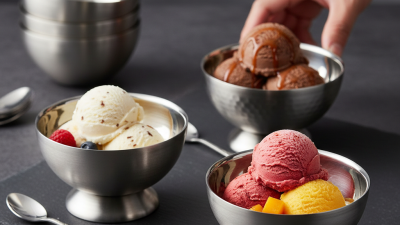
Stainless steel ice cream bowls work well for serving scoops, sundaes, and small portions of toppings. Their smooth, nonporous surfaces are generally easy to wash and less likely to retain food odors than some porous materials. They are also sturdy enough for frequent use, whether at a kitchen table or during a picnic. Chill a bowl in the refrigerator before serving, and it can help keep ice cream firmer for a little longer. It is not a freezer substitute, though. A cold metal rim can feel sharp against sensitive teeth, and lightweight bowls may slide on a slick counter. I still find them practical, but the noise of a spoon against metal takes some getting used to. Not everyone will like it.
Tips: Dry bowls after washing to limit water spots, and use a soft sponge to preserve the finish. For easier scooping, let ice cream soften briefly, then serve it in a pre-chilled bowl. Don’t stack wet bowls; they can stick together.
Cleaning, Care, and Factors to Consider Before Choosing One
Stainless steel ice cream bowls are reusable serving dishes made from corrosion-resistant steel. Their smooth, nonporous surfaces generally resist lingering food odors and are easy to wash. Some have double walls that help keep dessert cold longer, while single-wall bowls are lighter and often simpler to store. The difference matters. Double-wall designs can be harder to inspect and may need careful drying around rims or seams.
For routine cleaning, use warm water, mild dish soap, and a soft sponge. Rinse away sugary residue soon after serving; dried syrup can take more effort to remove. Avoid steel wool and harsh abrasive powders, which may leave scratches. Dry the bowls with a clean towel, especially around rolled edges. A dishwasher may be suitable, but check the maker’s care instructions first. Not every finish or construction handles repeated high-heat cycles equally well.
Before choosing a set, consider bowl capacity, weight, stackability, and whether the base feels stable on a table. A narrow bowl can make scooping awkward, even if it looks tidy in a cabinet. Check for smooth rims and secure construction, since rough edges are unpleasant to handle. Polished steel shows fingerprints more readily; brushed finishes can hide them better. I would not assume every bowl keeps ice cream equally cold—wall design, room temperature, and serving time all affect performance.