2026 How to Choose the Perfect Stainless Steel Salad Bowl?
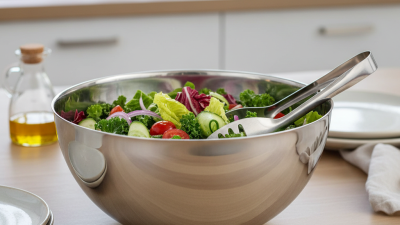
Choosing the perfect Stainless Steel Salad Bowl is essential for every kitchen. These bowls not only serve a practical purpose but also enhance the dining experience. When selecting a stainless steel salad bowl, consider its size, design, and durability. A well-chosen bowl can make preparing and serving salads more enjoyable.
Stainless steel is known for its resilience. It resists rust and staining, ensuring a long-lasting option. However, not all stainless steel bowls are created equal. Some may not have the best finish, which can affect both aesthetics and functionality. Pay attention to the gauge of the steel used; thicker bowls tend to be more durable.
Reflecting on your needs is crucial. Do you often prepare large salads for gatherings? A bigger bowl might be necessary. Alternatively, a smaller size could be perfect for individual servings. The right choice not only serves its purpose but also complements your kitchen style. A carefully selected stainless steel salad bowl is a valuable addition to your culinary tools.
Understanding Stainless Steel Salad Bowls: Key Features
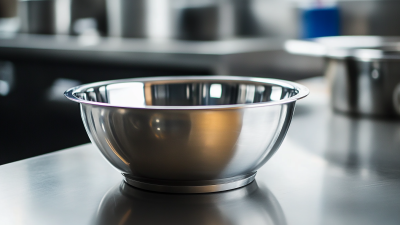
When it comes to choosing the perfect stainless steel salad bowl, understanding its key features is essential. Stainless steel is known for its durability and resistance to rust. A well-made bowl will not dent or scratch easily, ensuring it lasts a long time in your kitchen. The finish of the bowl can also affect its usability. A polished surface is easy to clean but might show fingerprints. A brushed finish can hide smudges but might require more scrubbing.
Tips for choosing a bowl: Consider its weight. A heavier bowl stays in place during mixing. The size matters too. A larger bowl allows for tossing without spills. Look for bowls with ergonomic designs for easier handling. The shape affects how salads mix and serve; deeper bowls prevent ingredients from flying out.
Another feature to consider is the bowl's resistance to temperature changes. Stainless steel can keep salads cool longer, an advantage on hot days. Some bowls come with lids, which can be helpful for storage. Be aware of the bowl's compatibility with different utensils. Metal utensils may scratch a delicate finish, while wooden or silicone options are safer.
Lastly, consider how easy it is to maintain. While stainless steel is generally low-maintenance, some may require occasional polishing to maintain their shine. Not every bowl can withstand the dishwasher; checking the manufacturer's guidelines is wise. Thoughtful choices lead to a more enjoyable salad-making experience.
Comparing Different Sizes and Shapes for Salad Bowls
When selecting the perfect stainless steel salad bowl, size and shape matter significantly. Different occasions call for various bowl sizes. A small bowl suits individual servings. Larger bowls are essential for family meals. The right size ensures the salad looks appealing and is easy to mix.
Shape is just as important. A wide, shallow bowl allows for easy tossing. This shape helps dressing coat each ingredient evenly. Conversely, deep bowls are better for layered salads. They hold in the ingredients, preventing spillage. Consider the type of salad you plan to serve.
**Tips:** Choose a bowl that matches your dining style. Ensure it’s lightweight yet sturdy for regular use. Don’t overlook the finish; a brushed surface hides fingerprints better than polished. Reflect on your kitchen storage. A stackable design may save space. Handling items that don’t fit can frustrate routine kitchen tasks.
Evaluating the Quality of Stainless Steel Materials
When selecting a stainless steel salad bowl, the quality of the material is crucial. Not all stainless steel is made the same. High-quality stainless steel typically contains 18% chromium and 8% nickel, often referred to as 18/8 stainless steel. This composition enhances both durability and resistance to rust. A 2022 industry report indicated that kitchenware made from 18/8 stainless steel can last up to three times longer than lower-grade options.
A critical aspect to consider is the gauge of the steel. Higher gauge numbers correspond to thinner materials, which may dent easily or warp under heat. According to the American Metal Market, a gauge of 16 or less is ideal for a sturdy salad bowl. This thickness provides strength while maintaining a lightweight feel. However, many consumers overlook this detail, often swayed by price.
Tips: Always check if the bowl is dishwasher safe for easy cleaning. Far too often, buyers discover that their new bowl becomes discolored after a few washes. Look for polished finishes that not only enhance aesthetics but also prevent food from sticking. A good bowl should not only feel heavy but should also exhibit a smooth surface to minimize scratches. Selecting the right bowl requires attention to these details.
Evaluating the Quality of Stainless Steel Materials
This chart represents the evaluation criteria for selecting the perfect stainless steel salad bowl based on different quality parameters.
Assessing Design and Aesthetic Appeal in Salad Bowls
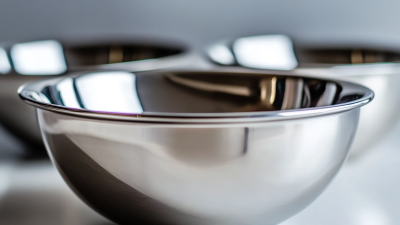
When choosing a stainless steel salad bowl, aesthetic appeal plays a crucial role. The design should complement your kitchen and dining area. Look for shapes that catch the eye. Classic round bowls are timeless, while square or oval options can provide a modern touch. The finish of the stainless steel is equally important. A polished surface gives a sleek look, while a brushed finish can hide fingerprints.
Consider the size of the bowl. A larger bowl may look stunning on a dining table but might be cumbersome for smaller spaces. Proportions matter. If you have limited counter space, choose a bowl that won’t overwhelm your decor. Small details can also make a difference. Handles or unique patterns add personality.
The design should align with your lifestyle. Reflect on the use of the bowl. Is it for casual family meals or elegant gatherings? Think about how it will enhance the dining experience. A well-chosen bowl can elevate the presentation of your salad. Don't rush the decision; take time to evaluate different styles and finishes. After all, the perfect salad bowl is not just about functionality—it also adds beauty to your table.
Tips for Maintaining and Caring for Stainless Steel Bowls
Stainless steel salad bowls are durable and stylish. To ensure they last, proper care is essential. Always wash your bowl immediately after use. This prevents food residue from sticking. Use warm, soapy water and a soft sponge. Avoid steel wool or abrasive cleaners, as they can scratch the surface.
Dry the bowl thoroughly after washing. Water spots can form if it's left damp. To maintain its shine, occasionally polish with a mixture of vinegar and baking soda. Be cautious with acidic foods. They can cause discoloration if left for too long. Storing the bowl with a lid or cloth can protect it from dust.
Over time, you might notice dents or minor scratches. These are normal signs of use. They don’t affect the bowl's functionality. Reflect on your care routine and adjust if needed. Regular maintenance is key to prolonging the life of your stainless steel bowl. Embrace these small imperfections as part of its story.
2026 How to Choose the Perfect Stainless Steel Salad Bowl? - Tips for Maintaining and Caring for Stainless Steel Bowls
| Feature |
Description |
Maintenance Tips |
Care Instructions |
| Material Quality |
Look for 18/8 (304) stainless steel for durability and corrosion resistance. |
Avoid abrasive cleaners that can scratch the surface. |
Hand wash with warm soapy water to keep the shine. |
| Size Options |
Available in various sizes; choose based on serving needs. |
Store in a dry place to avoid moisture buildup. |
Use a soft cloth to dry after washing. |
| Design Features |
Look for bowls with a wide rim for easy mixing and serving. |
Do not use in the microwave or oven. |
Avoid leaving food in the bowl for extended periods to prevent discoloration. |
| Weight |
Heavier bowls are often more stable and durable. |
Select lightweight options for easy handling. |
Check for dents or scratches periodically. |