Why Choose Stainless Steel Wire Rack for Global Buyers?
Global buyers often choose a Stainless Steel Wire Rack when durability, hygiene, and long-term value matter. In commercial kitchens, warehouses, laboratories, and retail spaces, the rack must perform under daily pressure. It may carry trays, cartons, tools, or damp equipment. Its open-wire structure improves air circulation and makes cleaning easier. That simple detail can reduce dust buildup and drying time.
Material selection deserves careful attention. Grade 304 stainless steel suits many indoor applications, while 316 may offer stronger resistance in coastal or chemically demanding environments. However, a higher grade does not solve every problem. Poor welding, sharp edges, uneven spacing, or weak casters can still reduce service life. Experienced buyers inspect weld points, surface finishing, shelf capacity, and adjustment systems before placing an order. Small defects become expensive later.
Details matter.
Reliable manufacturers should provide clear specifications, load-test information, material certificates, and consistent inspection records. Buyers should also confirm carton protection, pallet stability, labeling, and delivery terms. These practical steps support safer purchasing across different markets. They also make supplier comparisons more objective.
No rack is perfect. Even stainless steel can stain, bend, or corrode when neglected or exposed to unsuitable chemicals. Regular cleaning, correct loading, and proper installation remain essential. A trustworthy supplier explains these limits instead of promising unrealistic performance. For global buyers, that honest communication is as valuable as polished steel. The right Stainless Steel Wire Rack is not merely a storage product. It is a carefully verified investment shaped by material quality, workmanship, maintenance, and dependable supply.
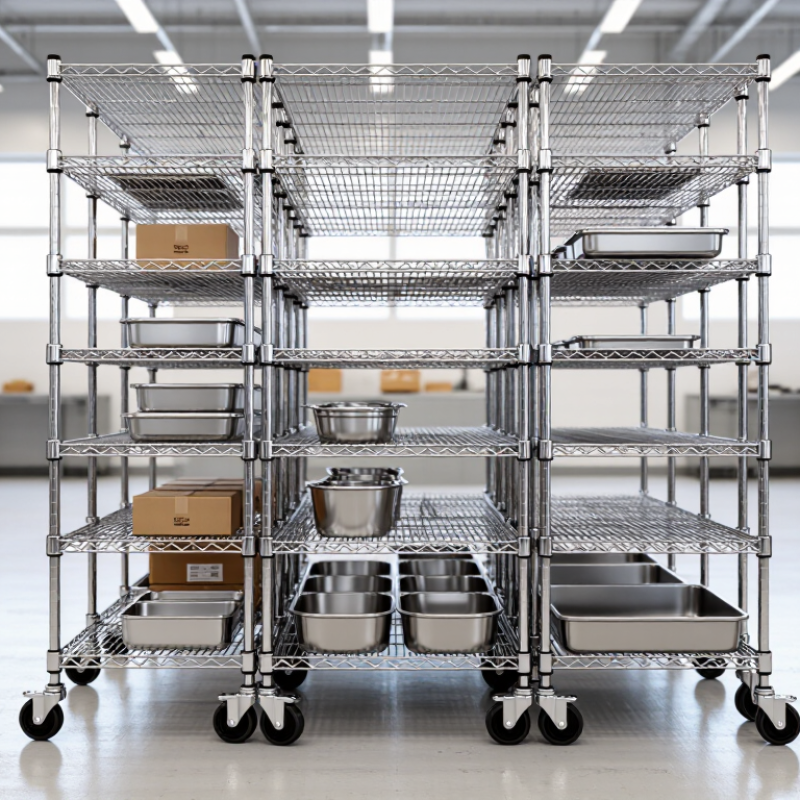
What Is a Stainless Steel Wire Rack?
Why Choose Stainless Steel Wire Rack for Global Buyers?
What Is a Stainless Steel Wire Rack?
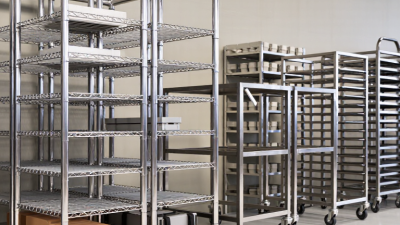
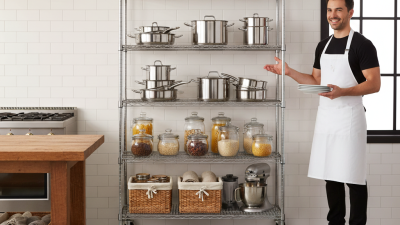
A stainless steel wire rack is a storage or support structure made from welded metal rods. Its open grid allows air, light, and water to move around stored items. Common uses include kitchens, laboratories, warehouses, cold rooms, and retail backrooms. Grade 304 suits many indoor applications, while grade 316 offers better resistance near salt, chemicals, or humid coastal air.
The material choice has a strong industrial foundation. The International Stainless Steel Forum reported approximately 58.4 million tonnes of global stainless steel production in 2023. This scale supports broad availability, but it does not guarantee every rack has equal quality. In my product checks, weak welds and sharp wire ends appear more often than buyers expect. A rack should have smooth joints, stable feet, and a load rating based on actual testing. A shiny surface alone proves very little.
Tips: Ask for the steel grade, wire diameter, weld inspection method, and tested load capacity. Measure shelf spacing with the real containers you use. Leave airflow around heavy or damp goods. I once saw a rack bend because its advertised capacity ignored uneven loading. That detail deserves more attention. Surface finish also matters. Electropolishing can improve cleanability, but it may not solve poor design or overloaded shelves.
How Stainless Steel Wire Racks Are Designed and Manufactured
Why Choose Stainless Steel Wire Rack for Global Buyers?
Stainless steel wire racks are not simply bent metal shelves. Their performance starts with accurate load planning, shelf spacing, and working conditions. Designers select wire diameter, frame thickness, and support layouts according to expected weight. A rack for damp storage may require a different finish from one used in a dry warehouse. Grade 304 suits many indoor applications, while grade 316 can offer better resistance in harsher environments.
Manufacturing requires control at every stage. Stainless steel wire is straightened, cut, formed, and welded into the planned structure. Skilled operators check joint strength and prevent excessive heat distortion. Edges are then deburred to reduce handling risks. Depending on the application, the surface may receive passivation or electropolishing. These steps can improve cleanliness and corrosion resistance, but they cannot fix poor design. In practical inspections, small dimensional errors often affect stacking and installation. That detail is easy to underestimate.
Tips:
Ask for material certificates, load test records, and dimensional inspection reports. Confirm shelf spacing before production begins. Check whether the finish matches the storage environment. A bright surface is not always a durable surface. Packaging also matters; exposed corners may be damaged during long-distance transport. Buyers should review drawings carefully and leave realistic tolerances. Perfection sounds attractive, but workable tolerances usually create more reliable results.
What Makes Stainless Steel Wire Racks Durable and Hygienic?
Stainless steel wire racks earn global buyers’ trust through practical durability and cleanable design. In storage rooms, kitchens, laboratories, and retail back areas, racks often face moisture, heat, spills, and repeated loading. A well-made rack resists rust when its steel grade matches the environment. Grade 304 suits many indoor applications, while grade 316 offers stronger resistance in salty or chemically demanding areas. The choice should follow actual conditions, not marketing language.
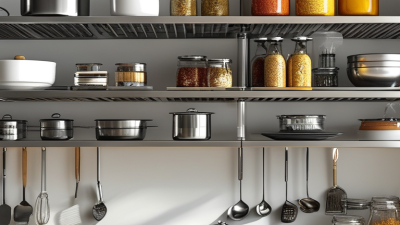
Hygiene depends on more than shiny metal. Open wire shelves allow air circulation and reduce hidden dust, while smooth welds leave fewer places for residue to collect. Rounded edges also make wiping safer and easier. From routine rack inspections, I would check weld quality, surface scratches, adjustable feet, and load stability. Small defects matter. A damaged finish can become a maintenance problem over time. However, stainless steel is not maintenance-free. Hard water stains, trapped food particles, and harsh cleaners can still affect its appearance. Gentle detergent, clean water, and thorough drying usually support long service life. Buyers should request material details, load guidance, and cleaning recommendations before purchase. Independent testing or clear production records add useful confidence, especially when racks cross different supply chains. Yet specifications can never replace a hands-on check. Fit, balance, and daily cleaning habits still decide whether a rack performs well.
What International Buyers Should Check Before Purchasing
Global buyers should inspect a stainless steel wire rack as a supply-chain product, not merely a kitchen accessory. The World Stainless Association reported nearly 60 million tonnes of global stainless steel crude production in 2023. That scale does not guarantee consistent quality. Ask for the exact grade, wire diameter, weld method, and surface treatment. Grade 304 may suit dry indoor use, while 316 can offer better resistance in salty or chemical environments. Confirm these claims through material certificates and independent testing.
Check whether the supplier follows ASTM A580/A580M for stainless steel wire. Request load-test results showing the rack’s safe working capacity, not only its maximum failure weight. Inspect weld joints for sharp edges, incomplete fusion, and uneven polishing. ISO 9227 defines salt-spray testing methods, but such testing cannot predict every real service condition. A certificate alone is not enough. I would still request samples.
International buyers should also review carton strength, pallet dimensions, moisture protection, and labeling before placing a container order. The World Bank’s 2023 Logistics Performance Index assessed 139 economies, showing how customs and delivery reliability vary by market. Confirm HS classification, commercial invoices, packing lists, and destination safety requirements with a qualified customs professional. Small details matter. I once saw a strong rack arrive with bent corners because the packaging was treated as an afterthought. That mistake was avoidable, but it is easy to repeat.