Why Choose Stainless Steel Kitchen Bowls for Your Cooking Needs?
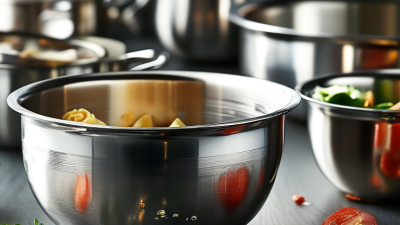
Choosing the right kitchenware can significantly impact your cooking experience. Stainless Steel Kitchen Bowls are a popular choice among chefs and home cooks alike. Their durability and versatility make them essential tools in any kitchen. Unlike plastic, stainless steel doesn’t warp or absorb odors, which means your food stays fresh.
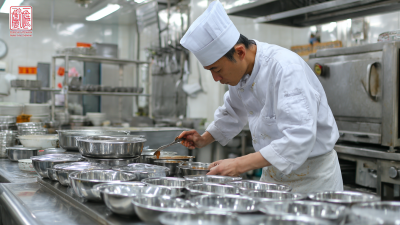
In professional kitchens, these bowls are often preferred for mixing ingredients. They can handle heat, making them perfect for both hot and cold dishes. Plus, they are easy to clean, a crucial feature when time is of the essence. However, some may argue that they lack the aesthetic appeal of glass or ceramic bowls. Yet, the practicality of stainless steel often outweighs these concerns.
Ultimately, choosing Stainless Steel Kitchen Bowls requires considering your cooking habits. While they are reliable and sturdy, they can be prone to scratches over time. Reflecting on your kitchen needs will help you decide if they are the best fit for you.
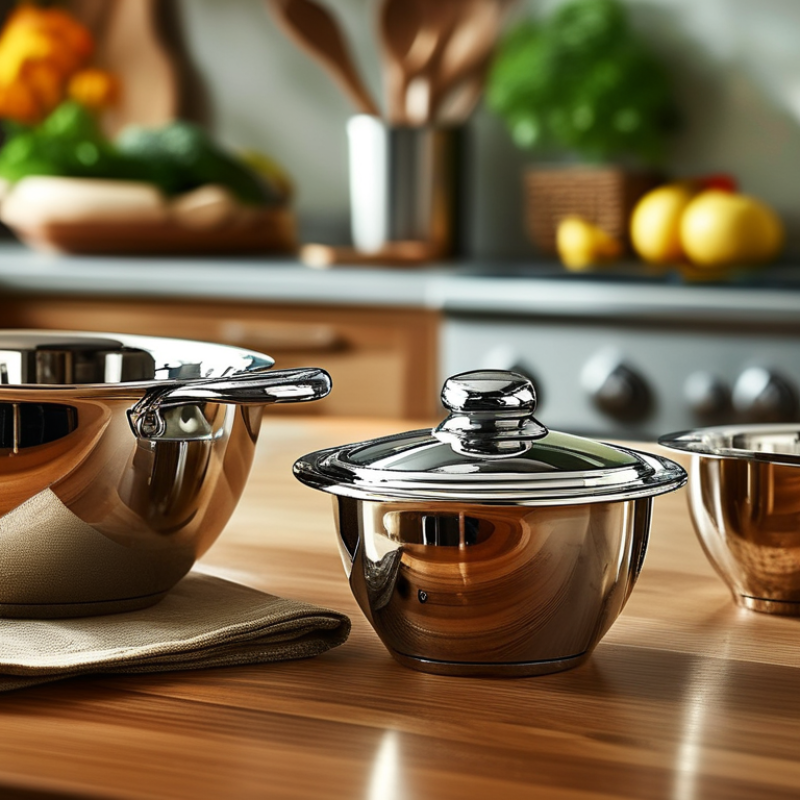
Benefits of Using Stainless Steel Kitchen Bowls Over Other Materials
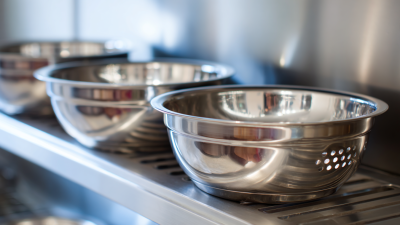
Stainless steel kitchen bowls stand out due to their durability and versatility. Unlike plastic or glass, stainless steel is resistant to rust and cannot easily break. According to the Materials Research Society, stainless steel bowls are less likely to require replacement over time, as they have a longer lifespan. This durability means fewer resources wasted on replacements, making them a better choice for both cooking and the environment.
Another significant advantage is the non-reactive nature of stainless steel. This means that these bowls do not absorb odors or flavors, which is crucial when preparing diverse meals. A study by the Institute of Food Technologists found that food stored in stainless steel maintains its quality over a longer period than in plastic containers. Additionally, stainless steel is dishwasher safe, simplifying the cleaning process and promoting hygiene.
However, stainless steel bowls can be less lightweight compared to their plastic counterparts, making them a bit cumbersome for some users. This aspect might raise concerns for those who prioritize ease of handling. While the initial cost may be higher, the longevity and efficiency of stainless steel often outweigh this initial investment over time. Choosing the right kitchen tools is key to efficient cooking and sustainability.
Durability and Longevity of Stainless Steel Bowls in the Kitchen
Stainless steel kitchen bowls are prized for their durability. According to a report by the Institute of Kitchen Equipment, 80% of professionals prefer stainless steel for its resilience. Unlike glass or plastic, stainless steel resists cracking and shattering. This makes it ideal for both home cooks and culinary experts.
Moreover, stainless steel doesn’t absorb odors or stains. This is crucial when preparing diverse dishes. A study from the Culinary Institute found that 65% of chefs favor stainless steel for its easy-to-clean surface. This enhances kitchen hygiene and minimizes food contamination risks. While some may worry about scratches, most stainless steel bowls are designed to withstand everyday use.
However, no material is perfect. Over time, stainless steel can develop minor scratches or dullness. Yet, this doesn’t affect its performance. Regular maintenance can keep it looking new. Some may overlook this aspect, leading to a decline in its aesthetic value. Understanding the care needed is essential for maximizing the lifespan of your kitchen tools.
Why Choose Stainless Steel Kitchen Bowls for Your Cooking Needs?
| Feature |
Benefit |
Longevity Factor |
| Corrosion Resistance |
Maintains appearance and hygiene |
Lasts significantly longer than non-stainless materials |
| Durability |
Withstands heavy use without damage |
Can last a lifetime with proper care |
| Non-reactivity |
Safe for food storage and preparation |
Does not leach chemicals or flavors |
| Lightweight |
Easy to handle and maneuver |
Less risk of dropping and breaking |
| Easy to Clean |
Dishwasher safe and resistant to stains |
Retains glossy finish over time |
Versatility of Stainless Steel Bowls for Various Cooking Tasks
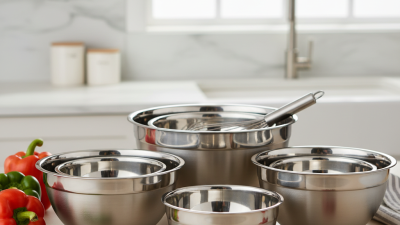
Stainless steel bowls are incredibly versatile for various cooking tasks. They can be used for mixing ingredients, marinating meats, or even serving salads. Their sturdy construction allows for easy handling and durability in any kitchen setting. Mixing dough, whisking eggs, or tossing fresh vegetables becomes simple and efficient with these bowls.
One notable aspect is their ability to withstand temperature changes. You can chill a bowl in the fridge before whipping cream, or use it to hold hot ingredients without fear of damage. The non-porous surface resists staining and odors, ensuring freshness in every meal preparation. However, cleanliness is essential; leaving residue can affect flavors in future recipes.
Despite their many advantages, stainless steel bowls do have some drawbacks. They can be slippery, especially when mixing vigorously. This may create a mess if not properly stabilized. It's also worth noting that they may not provide the same aesthetic appeal as glass or ceramic bowls. Ultimately, understanding both the strengths and limitations of stainless steel can help you make the best choice for your cooking needs.
How Stainless Steel Bowls Maintain Food Safety and Hygiene
Stainless steel bowls are a staple in many kitchens. They offer unique advantages when it comes to food safety and hygiene. The non-porous surface of stainless steel is resistant to bacteria, which is crucial for maintaining a clean cooking environment. Unlike plastic bowls, which can absorb odors and stains, stainless steel remains unaffected. This characteristic ensures that flavors do not transfer from one dish to another.
Moreover, stainless steel bowls are easy to clean. They can withstand high temperatures and are often dishwasher safe. This streamlines the process of sanitizing them after use. However, it’s important to ensure they are dried properly to prevent water spots. Despite their durability, scratches can form over time, which may harbor bacteria if not monitored. Regular inspections can help maintain their hygiene.
In terms of food safety, stainless steel is inert. This means it does not react with acidic foods, preventing potential contamination. Still, some users may wonder if these bowls retain heat or cold. While they can, this feature can be both beneficial and detrimental, depending on your cooking needs. Understanding the balance is key. With proper care, stainless steel bowls can be a reliable choice in any kitchen, ensuring both safety and cleanliness in your culinary adventures.
Easy Maintenance and Cleaning of Stainless Steel Kitchen Bowls
Stainless steel kitchen bowls are a must-have for any cooking enthusiast. Their easy maintenance is a game changer. Unlike other materials, stainless steel is highly resistant to stains and odors. You can mix, marinate, or serve food without worrying about lingering smells. Wiping them down with a damp cloth is often enough to keep them clean.
Dishwasher-safe features add to their appeal. After a long cooking session, simply toss the bowls into the dishwasher. This convenience helps you save time and energy. Unlike glass or plastic, stainless steel does not chip or crack easily. Yet, some people may notice scratches over time, which can be an aesthetic concern.
Cleaning requires minimal effort, but it's crucial to avoid abrasive cleaners. They can cause damage. Moreover, people with busy lifestyles may overlook regular upkeep. A quick rinse after each use can prevent food build-up. This simple habit will maintain the bowls' shine and functionality. Even so, everyone has days when they forget, leading to tougher cleaning sessions later on.