10 Essential Tips for Choosing Stainless Steel Kitchen Bowls for Your Kitchen?
When it comes to outfitting your kitchen, choosing the right tools can make a significant difference. Stainless Steel Kitchen Bowls are a staple in many homes, known for their durability and versatility. According to chef and kitchenware expert Julia Child, “A kitchen should be a place of fun, where you enjoy the magic of cooking.” This spirit of joy is easily captured with the right kitchen equipment.
Selecting the perfect stainless steel bowl is not just about aesthetics. It is essential to consider factors such as size, weight, and design. Some bowls tip over easily, while others may be too lightweight for mixing dough. The right balance is crucial for both safety and functionality.
Many overlook the importance of storage space as well. Some bowls nest perfectly, saving valuable kitchen area. It's vital to reflect on how each piece fits into your cooking routine. This choice can elevate your culinary experiences, transforming them from ordinary to extraordinary.
Key Factors to Consider When Selecting Stainless Steel Kitchen Bowls
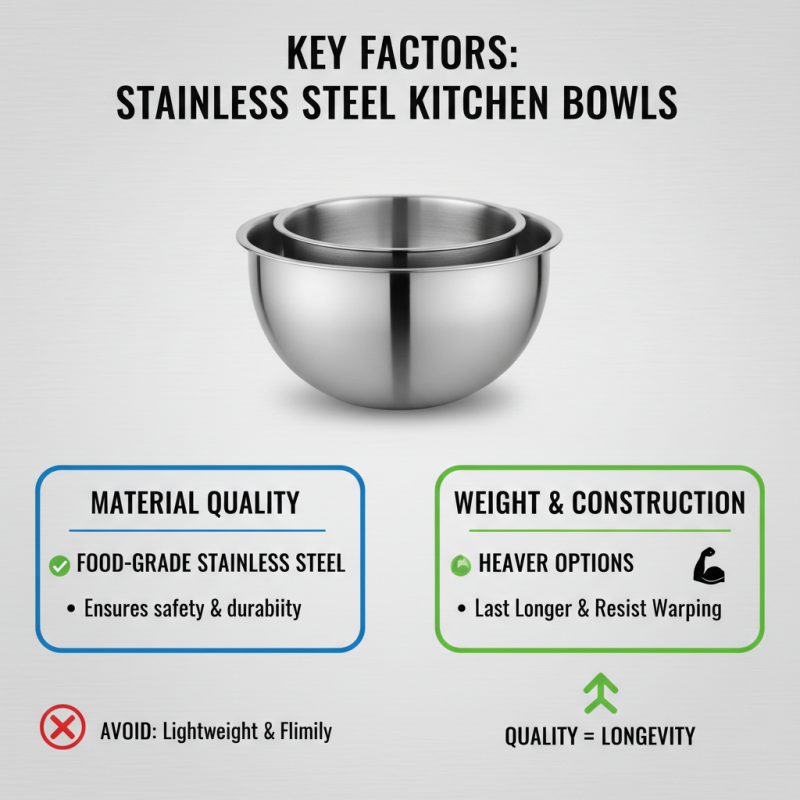
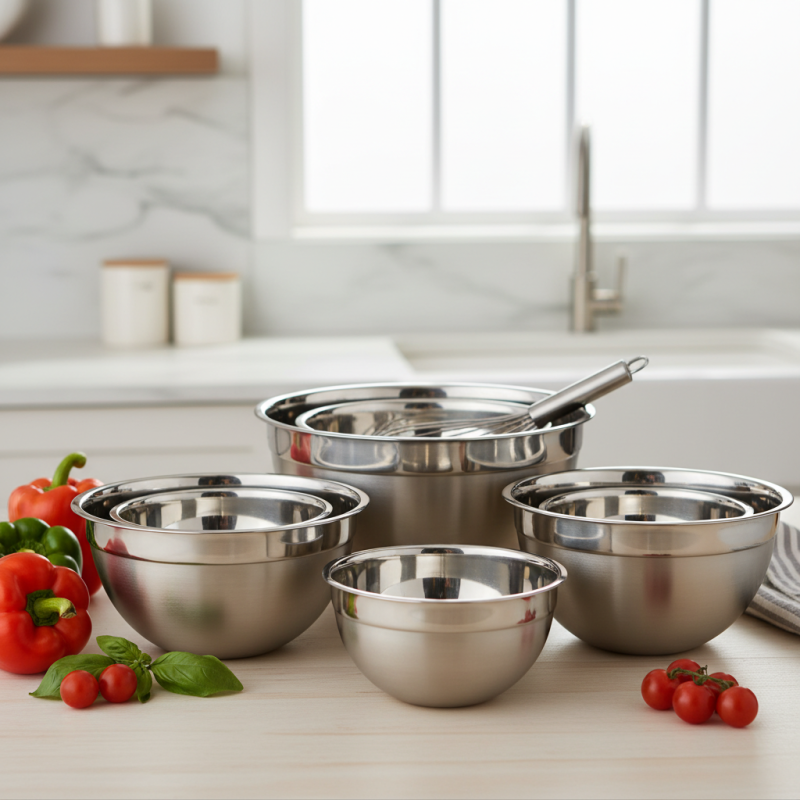
Selecting stainless steel kitchen bowls can feel overwhelming. Focus on the material quality. Look for food-grade stainless steel, as it ensures safety and durability. Avoid bowls that feel lightweight or flimsy. Heavier options tend to last longer and resist warping.
Consider the bowl's size and shape. A set with various sizes offers versatility for different tasks. Remember, shallow bowls are great for mixing but aren’t ideal for serving soup. Think about how you will use them daily. This can prevent future frustrations.
Check the bowl’s finish. Some stainless steel has a polished look, while others have a brushed finish. Polished bowls can show fingerprints easily. Brushed finishes hide smudges better but may scratch over time. Reflect on your cleaning routine and how that affects your choice. Ultimately, find a balance between aesthetics and functionality.
Understanding the Different Sizes and Shapes of Kitchen Bowls
When selecting stainless steel kitchen bowls, pay close attention to their sizes and shapes. Different tasks in the kitchen require specific types of bowls. For instance, a large mixing bowl is essential for preparing batters and dough, while smaller bowls are perfect for holding ingredients or whisking eggs. Choosing the right size can make a huge difference in your cooking efficiency.
Shapes also play a vital role. Deep, rounded bowls are excellent for mixing, while shallow bowls work well for serving. Bowls with pour spouts can help reduce mess during transfers. Some users might find that a wide rim allows for better grip, but it can also limit space in some cabinets. Consider how each bowl's shape fits into your kitchen layout and cooking style. Reflect on your kitchen tasks and choose bowls that complement your habits.
Stainless Steel Kitchen Bowls: Size and Shape Preference Survey
Evaluating the Quality and Grade of Stainless Steel Materials
When selecting stainless steel kitchen bowls, the quality of materials is crucial. Not all stainless steel is created equal. The grade of stainless steel, such as 304, indicates its durability and resistance to corrosion. According to the International Stainless Steel Forum, grade 304 contains nickel and chromium, enhancing its performance in various kitchen tasks. This grade is less reactive and safer for food storage.
Another factor to consider is the bowl's thickness. A gauge of 18 or lower ensures a robust structure. Thin materials may warp over time, affecting functionality. Testing reports show that thicker bowls maintain their shape better, providing lasting use. Additionally, be wary of overly polished finishes. They might look appealing but can scratch easily, leading to hidden contaminants.
A good practice is to check for certifications from credible organizations. These credentials assure you that the products meet safety and quality standards. While the features can seem minor, they significantly affect your kitchen experience. Researching and considering these aspects fosters a kitchen environment conducive to both safety and efficiency.
Choosing Between Matte and Polished Finishes for Kitchen Bowls
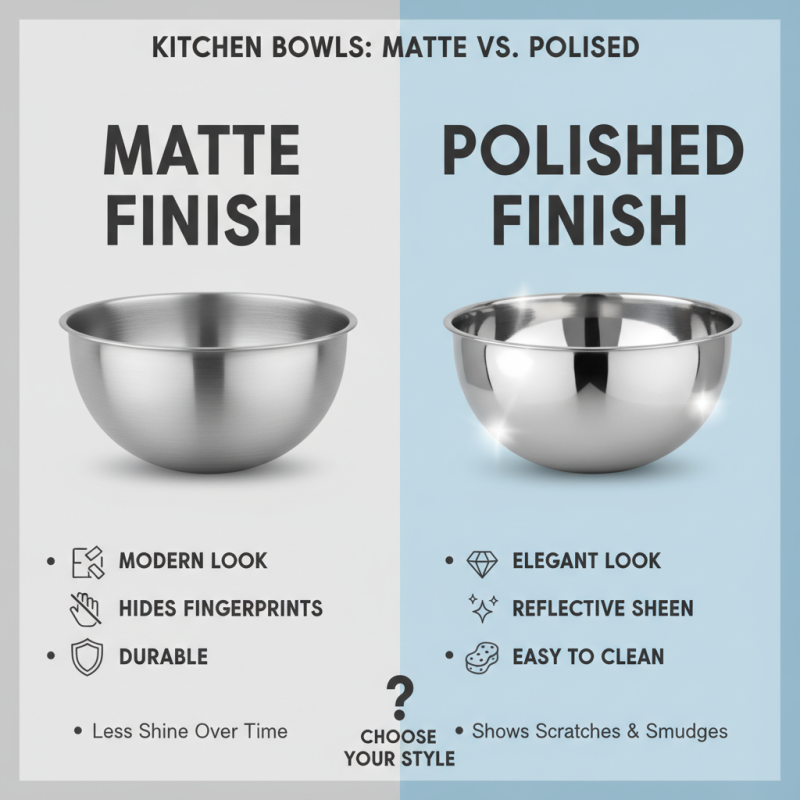
Choosing the right finish for stainless steel kitchen bowls is crucial. Matte and polished finishes each have unique qualities. A matte finish offers a modern, understated look. It can hide fingerprints and scratches effectively. This makes it a practical choice for daily use. However, the downside is that it may not shine as brightly over time.
On the other hand, polished finishes reflect light beautifully, adding elegance to any kitchen. They are easy to clean, making them appealing for many cooks. Yet, polished bowls can show fingerprints and smudges more easily. This might be frustrating during a busy cooking session. Consider your kitchen's aesthetic before deciding.
Think about how you want to use these bowls. A matte finish might be ideal for a casual, everyday feel. In contrast, you might prefer polished bowls for special occasions. Reflect on your cooking habits, too. Will the bowls endure heavy use or rarely be seen? Making these decisions can shape the overall atmosphere of your kitchen.
Tips for Maintaining and Caring for Stainless Steel Kitchen Bowls
When it comes to stainless steel kitchen bowls, proper maintenance is key to their longevity. Regular cleaning is essential. Use warm soapy water after each use to prevent any build-up. Avoid harsh cleaners. They can scratch the surface and compromise the bowl's shine. Instead, a soft sponge works best. If food stains persist, a mixture of baking soda and water can gently lift them away.
Another important aspect is storage. While stainless steel is durable, stacking bowls can lead to scratches. If possible, store them separately or use a cloth between them. Pay attention to the temperature. Very hot liquids can warp the shape over time. Always let hot foods cool before transferring them to your bowls. This simple step can help maintain their integrity.
Lastly, regular checks for rust are necessary. While stainless steel is rust-resistant, it isn't completely immune. A light polish with a soft cloth can prevent oxidation. Maintaining your bowls requires some effort, but it pays off. Reflect on your habits and adjust as needed. A little care can keep your bowls looking new for years.