Inquiry
Form loading...

What Is a Stainless Steel Fruit Bowl and Why Buy One?

A Stainless Steel Fruit Bowl is a simple kitchen vessel with a practical purpose. It holds apples, bananas, oranges, and other produce in one visible place. That visibility can encourage timely use before fruit becomes soft or forgotten. The United Nations Environment Programme’s Food Waste Index Report 2024 estimated that households generated 631 million tonnes of food waste in 2022. A bowl cannot solve this problem alone. However, better food visibility may support more careful household habits.

Stainless steel is valued for its strength, smooth surface, and resistance to corrosion. The International Stainless Steel Forum’s Stainless Steel in Figures 2024 documents the material’s extensive global production and use across consumer and professional environments. Its popularity is not accidental. Properly finished stainless steel is easy to wipe, does not absorb fruit juice like unfinished wood, and can suit modern or traditional kitchens. The U.S. FDA Food Code also emphasizes durable, corrosion-resistant, and cleanable food-contact surfaces, although a decorative fruit bowl is not automatically certified for every food-service application.

Details matter. Look for a stable base, rounded edges, and enough ventilation around the fruit. A shallow bowl can reduce stacking pressure on peaches and tomatoes. A wider opening makes cleaning easier. Do not assume every stainless steel bowl has identical quality. Some may show fingerprints, dents, or surface scratches. I may be oversimplifying, but good design often matters more than a polished appearance. Wash the bowl regularly, dry it thoroughly, and remove damaged fruit promptly. The best Stainless Steel Fruit Bowl is not merely attractive; it supports cleaner storage, easier monitoring, and less daily waste.
What Is a Stainless Steel Fruit Bowl and Why Buy One?

Definition and Main Features of a Stainless Steel Fruit Bowl

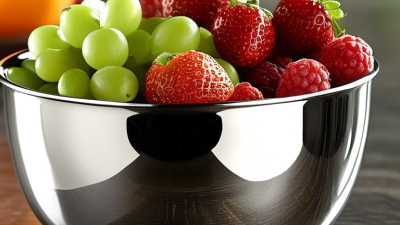
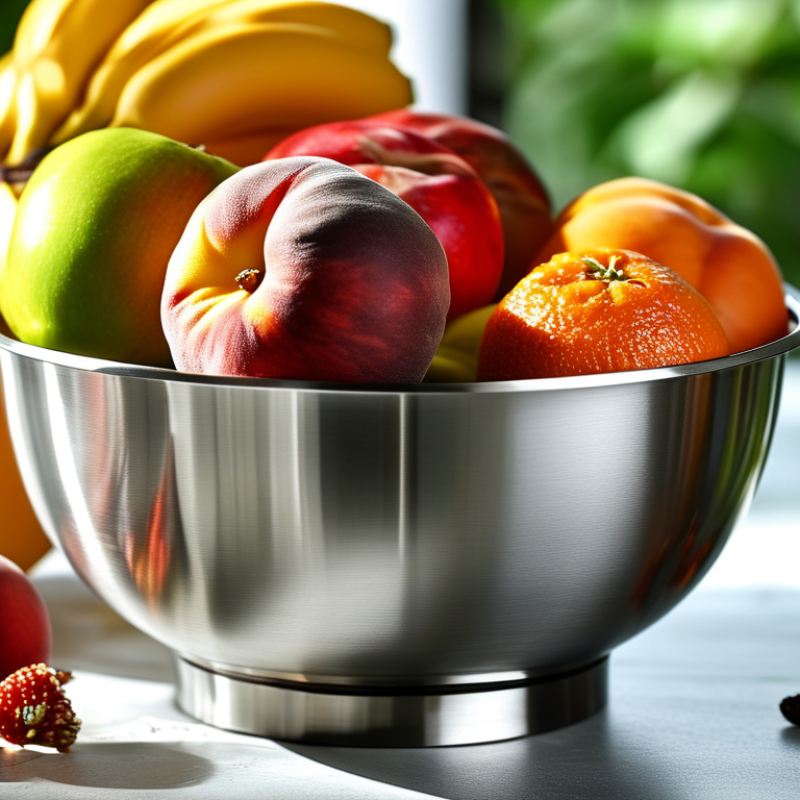
A stainless steel fruit bowl is an open container designed to hold and display fresh produce. It is usually made from food-contact stainless steel, valued for its strength and resistance to rust. Unlike sealed storage, its open shape allows air to move around apples, oranges, pears, and bananas. This can help reduce trapped moisture, although it cannot prevent fruit from spoiling.

Its main features include a smooth surface, a wide opening, and a stable base. A gently raised rim helps keep round fruit from rolling onto the counter. Small ventilation gaps are useful when the bowl has a wire or perforated design. A solid bowl may look cleaner, but it can hide soft spots beneath the fruit. That detail matters.

In daily use, stainless steel is easy to wipe after juice spills or fruit bruising. Warm water and mild dish soap are usually enough. Avoid rough scouring pads, which may leave visible scratches. The material is durable, but not flawless. Fingerprints can appear, especially on polished finishes. Some bowls also make a sharp sound when utensils touch them. A weighted base helps prevent sliding, while rounded edges make handling more comfortable. The right size should match the amount of fruit normally eaten within a few days. Too large, and forgotten fruit may quietly soften underneath.

What Is a Stainless Steel Fruit Bowl and Why Buy One? - Definition and Main Features of a Stainless Steel Fruit Bowl

Data Dimension Typical Information Why It Matters
Definition A stainless steel fruit bowl is an open container designed to hold and display fresh fruit. It combines food storage with an organized and decorative way to keep fruit accessible.
Primary Material Food-contact stainless steel, commonly selected for its corrosion resistance and smooth surface. The material is durable, non-porous, and less likely to retain food odors than porous materials.
Common Steel Grades 304 stainless steel is widely used for food-contact applications; 316 stainless steel offers greater resistance to chlorides. The grade helps indicate expected resistance to corrosion and suitability for the intended environment.
Typical Capacity Small bowls generally hold about 1–2 liters; medium bowls about 2–4 liters; large bowls may hold more than 4 liters. Capacity determines how much fruit can be displayed without overcrowding or excessive stacking.
Typical Diameter Common household sizes are approximately 20–35 cm in diameter, depending on the design. The diameter affects countertop space, fruit visibility, and serving capacity.
Shape and Structure Common forms include open round bowls, raised bowls, wire-style baskets, and perforated designs. The structure influences airflow, visibility, stability, and the ease of removing fruit.
Ventilation Open or perforated designs allow air to circulate around the fruit. Improved airflow can help reduce trapped moisture, although it does not replace proper fruit storage practices.
Surface Finish Available finishes include polished, brushed, satin, and matte surfaces. Finish affects appearance, visibility of fingerprints, and the style of the kitchen or dining area.
Durability Stainless steel is resistant to cracking and breaking under normal household use. A durable bowl is suitable for frequent handling and can provide long-term everyday service.
Cleaning Method Wash with warm water and mild dish soap, then dry thoroughly; follow the product’s care instructions. Prompt drying helps reduce water spots and maintains the surface appearance.
Hygiene Characteristics The smooth, non-porous surface is easy to wipe and less likely to absorb liquids. A cleanable surface supports routine food-contact hygiene when the bowl is washed regularly.
Temperature Resistance Stainless steel tolerates normal kitchen temperature changes and is not affected by warm fruit. It is less vulnerable to heat-related deformation than many lightweight plastic containers.
Stability and Safety A broad base, balanced weight, and smooth or rolled edges are desirable design features. These features help reduce tipping and make the bowl safer to handle.
Space Efficiency Open bowls keep fruit visible while using a single designated area on a counter or table. Organized storage can reduce countertop clutter and make frequently eaten fruit easier to reach.
Best Buying Considerations Check the bowl’s dimensions, base stability, edge smoothness, ventilation, finish, care instructions, and food-contact suitability. These factors help match the bowl to household capacity, cleaning habits, available space, and intended use.

Common Materials, Designs, and Sizes Available

A stainless steel fruit bowl is a kitchen container made from corrosion-resistant steel. Its polished or brushed surface creates a clean, modern appearance. The material resists rust, stains, and everyday impacts better than many delicate alternatives. In a busy kitchen, that matters. I have found that stainless steel also feels cooler and more substantial than plastic. However, it can show fingerprints, scratches, and water spots. Not every shiny bowl is equally durable.

Common materials include stainless steel, glass, ceramic, wood, and plastic. Glass displays colorful fruit clearly, but it may chip or break after a hard impact. Ceramic offers heavier weight and many shapes, although its glaze can crack over time. Wood adds warmth, yet it needs careful drying and occasional maintenance. Plastic is lightweight and practical, but some types can retain odors or appear less refined. A reliable stainless steel bowl should be food-contact-rated and free from sharp edges. Checking the underside and rim is worth the extra moment.

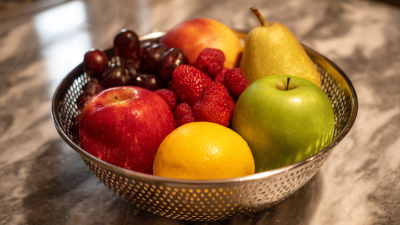
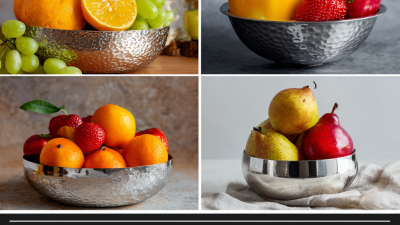
Designs range from open wire baskets to solid bowls with broad, weighted bases. Perforated designs improve airflow around bananas and citrus fruit. A pedestal bowl raises produce closer to eye level and saves counter space underneath. For one or two people, a diameter of 20 to 25 centimeters usually works well. Families may prefer 28 to 35 centimeters, depending on counter depth. Nesting sets provide flexible sizes, but they can become awkward when every bowl is filled. Measure your available space first. I once chose a beautiful oversized bowl and had to move it daily.

What Is a Stainless Steel Fruit Bowl and Why Buy One?

Common materials, designs, and sizes available

A stainless steel fruit bowl is an open countertop container made from corrosion-resistant steel, commonly used to store and display fresh produce. Stainless steel is durable, easy to clean, non-porous, and less likely to absorb food odors than many porous materials.

Common alternatives include glass, aluminum, ceramic, wood, and bamboo. Designs range from simple solid bowls to perforated baskets, pedestal bowls, tiered stands, and wire-frame styles. Typical household diameters are approximately 20–25 cm for small bowls, 26–32 cm for medium bowls, and 33–40 cm for large bowls.

The chart compares approximate material density. Lower density generally means a lighter material, while stainless steel provides a relatively strong and stable structure for everyday countertop use.

How a Stainless Steel Fruit Bowl Supports Fruit Storage

A stainless steel fruit bowl is an open, food-contact container designed to hold whole fruit at room temperature. Its value is practical, not decorative. Stainless steel has a smooth, nonporous surface that resists staining and absorbs fewer odors than many porous materials. It does not kill microbes. That distinction matters.

Fruit storage depends on airflow, cleanliness, and temperature. An open bowl allows air to move around apples, oranges, pears, and bananas, reducing the damp pockets that encourage surface mold.

However, a crowded bowl can defeat this benefit. Leave small gaps between pieces, and remove bruised fruit quickly. The U.S. Department of Agriculture advises refrigerating cut fruit within two hours.

A bowl is therefore better for intact fruit, not prepared slices. It is not a refrigerator.

The Food and Agriculture Organization reported that about 14% of food is lost between harvest and retail in its 2019 analysis. Better household handling cannot solve that entire problem, but it can reduce avoidable spoilage.

Place the bowl away from direct sunlight, ovens, and wet sinks. Wash the bowl with warm water and detergent, then dry it fully.

Stainless steel is durable, yet scratches, trapped moisture, and poor cleaning still create weaknesses.

The overlooked detail is inspection: check the fruit every day. A beautiful container cannot correct bad storage habits.

Key Benefits of Choosing Stainless Steel for a Fruit Bowl

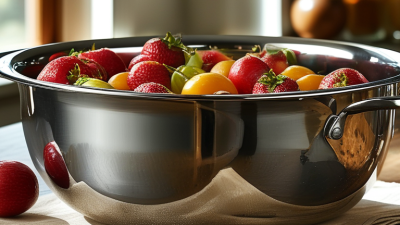
A stainless steel fruit bowl is a practical container for storing apples, oranges, bananas, and other produce. It usually has a smooth metal surface, a wide opening, and small gaps that support air circulation. Unlike porous materials, stainless steel does not easily absorb fruit juice or kitchen odors. This makes daily cleaning simpler, especially after a soft peach leaks overnight.

Durability is one of its strongest benefits. A well-made bowl can handle busy countertops, frequent washing, and accidental knocks. Stainless steel also resists rust when it is properly manufactured and dried after cleaning. Its neutral appearance works with wood, stone, or painted kitchen surfaces. In my experience, the bowl feels stable when its base has enough weight. Thin models may wobble, though. That small detail matters more than many product descriptions admit.

Hygiene is another practical advantage. The nonporous surface gives bacteria fewer places to remain after washing. Warm water, mild dish soap, and a soft cloth are usually enough. Avoid abrasive pads, which can leave visible scratches. Fingerprints can still appear, especially on polished finishes. I once chose appearance over convenience and regretted it during regular use. A brushed finish hides marks better, while a removable rubber base can protect the counter. The bowl should also leave space between fruit pieces, since trapped moisture may speed up spoilage.

Factors to Consider Before Buying One

A stainless steel fruit bowl is a ventilated container designed to hold apples, oranges, bananas, and other produce. Its clean surface resists staining, absorbs no food odors, and usually lasts longer than painted alternatives. Good airflow matters because trapped moisture can soften fruit quickly.

Before buying one, check the steel grade and construction. Food-contact stainless steel, such as 304 or 18/8 steel, is a practical choice when the material is clearly identified. A heavier bowl feels steadier on a busy kitchen counter. Thin metal can flex, dent, or make sharp sounds when moved. Look closely at the rim, welds, and underside. Smooth edges are easier to clean and less likely to catch cloth fibers. I once chose a very shallow bowl because it looked elegant. Bananas rolled out constantly. I was wrong.

Size should match your real shopping habits. A small household may need only a 10-inch bowl, while frequent shoppers need more capacity. A wide, open design improves visibility, so aging fruit does not hide underneath. Consider the base, too. Rubber or silicone feet can protect stone and wood surfaces, but they may collect crumbs. Fingerprints are another minor issue. Polished steel looks bright, yet brushed finishes often hide marks better. Check the care instructions before using a dishwasher, since heat and detergents can affect certain finishes. Moisture still matters. Dry the bowl after washing, especially around joints and decorative details.