2026 How to Choose the Best Big Stainless Steel Bowl?
Choosing the right Big Stainless Steel Bowl can significantly improve your kitchen experience. With so many options available, it’s easy to feel overwhelmed. Not all bowls are created equal.
When selecting a Big Stainless Steel Bowl, consider your specific needs. Are you mixing dough, tossing salads, or marinating meats? Each task may require a different size and shape. Also, think about the bowl's durability and resistance to rust. A good option should withstand regular use without showing wear.
Look for bowls with a non-slip base for stability. These features can enhance your cooking experience. However, some models may not be as sturdy as they claim. Evaluating product reviews can highlight both strengths and weaknesses. Remember, quality often matters more than price. A more expensive bowl may offer better longevity and reliability.
Understanding the Different Sizes and Capacities of Big Stainless Steel Bowls
When choosing a big stainless steel bowl, understanding sizes and capacities is crucial. Stainless steel bowls come in various dimensions, typically ranging from 3 quarts to over 20 quarts. A 5-quart bowl is ideal for mixing smaller batches, while a 10-quart option is useful for larger recipes. According to market research, the demand for kitchen equipment that supports meal preparation has increased by 25% over the past three years.
Consider the bowl's width and depth. A wider bowl allows for easy mixing without spilling ingredients. Depth is essential for preventing splashes, especially when blending ingredients. Industry data shows that chefs prefer bowls with a deeper design for their versatility in preparation tasks. Ensure the selected bowl aligns with your cooking habits.
Capacity isn’t the only factor. Big bowls need to be durable. They should withstand heavy use and resist corrosion or warping. However, many users overlook the importance of weight. Heavier bowls offer better stability but may be hard to handle. A bowl that is too light can tip over easily. Evaluate your personal comfort and usability when making a decision. Striking a balance between size, capacity, and ease of use is key.
Exploring the Material Quality and Construction of Stainless Steel Bowls
When exploring stainless steel bowls, material quality is crucial. High-grade stainless steel provides durability and resistance to rust. Look for bowls made from 18/8 or 304 stainless steel, as these are food-safe and resistant to corrosion. They maintain their shine with minimal maintenance.
The construction of the bowl matters too. A thick base can prevent warping during heavy use. Ensure the edges are smooth to avoid cuts. Lightweight bowls are easier to handle, but they should still feel sturdy. Pay attention to the finish; brushed stainless steel often hides scratches better than polished versions.
Consider the bowl's weight. It may seem insignificant, but a bowl that is too light can tip over easily. Reflect on how each bowl feels in your hands while mixing dough or preparing a salad. It should feel balanced. Don't overlook practical features like a non-slip bottom, which can enhance stability during use. Each of these details contributes to a bowl that not only looks good but performs well in your kitchen.
Comparing Design Features and Usability in Big Stainless Steel Bowls
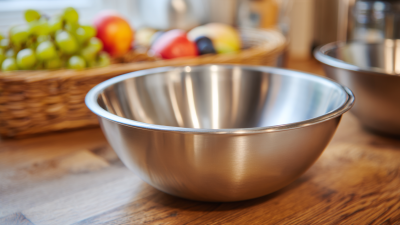
When selecting a big stainless steel bowl, design features matter significantly. Look for a bowl with a wide base for stability. A shallow design can facilitate easier mixing and tossing of ingredients. However, deep bowls are excellent for marinating and holding larger food quantities. Assess the rim's design too. A rolled rim can make pouring simpler, while a straight edge may aid in scraping down ingredients.
Usability is equally vital. Evaluate the bowl's weight; lighter bowls are easier to handle. However, ensure they are sturdy enough to withstand vigorous use. A bowl with a non-slip base provides additional safety during mixing. Additionally, consider how safe it is in the dishwasher for easy cleanup. Some bowls may warp over time, especially with high heat.
When choosing, think about your specific needs. What tasks will you frequently use the bowl for? Cooking can be fluid; you may need various sizes for different tasks. Reflect on what features truly enhance your cooking experience. A well-designed bowl can bring efficiency to your kitchen, but a poorly chosen one can lead to frustration. Focus on functional attributes that align with your cooking habits.
Evaluating Price Points and Brand Reputation for Stainless Steel Bowls
When selecting a stainless steel bowl, evaluating price points is crucial. Research shows that quality stainless steel bowls range from $10 to $50. Differentiating between budget and premium options can be challenging. The most suitable bowl for your needs may not always be the most expensive.
Brand reputation plays a significant role in your decision. According to industry reports, reputable brands often prioritize durability and craftsmanship. High-quality stainless steel bowls are typically made from 18/8 or 18/10 stainless steel. These materials ensure that the bowls resist rust, corrosion, and denting. Lesser-known brands may offer lower prices, but they may compromise on these crucial elements.
Choosing the right bowl also involves understanding your specific needs. Some bowls are designed for mixing, while others excel in serving. Analyzing consumer reviews can provide insights into real-life experiences. Buyers often highlight factors like ease of cleaning and weight. Remember, what works for one person may not work for another. Reflect on your cooking habits before making a purchase. This thought process contributes to making a well-informed decision.
Evaluation of Price Points for Big Stainless Steel Bowls
Identifying Key Maintenance Tips for Longevity of Stainless Steel Bowls
When it comes to choosing a big stainless steel bowl, maintenance is crucial for its longevity. Regular care can help prevent scratches and retain the bowl's shine. Cleaning is straightforward; simply wash it in warm, soapy water. Rinse thoroughly and dry it with a soft cloth. This prevents water spots and enhances its appearance.
One common mistake is leaving food residue in the bowl for too long. Acidic foods can cause discoloration over time. It’s essential to clean the bowl immediately after use. Storing your bowl stacked with other items can lead to scratches. Consider placing a cloth between bowls to protect the surface.
Another tip is to avoid using abrasive cleaners or steel wool. These can damage the finish and decrease the bowl's lifespan. Instead, a gentle cleanser and a soft sponge will do the trick. While stainless steel is durable, it still requires mindful handling. Opting for proper storage and careful cleaning routines can significantly extend the life of your bowl.