How to Choose the Best Stainless Steel Basin Bowl for Your Needs?
Choosing the right Stainless Steel Basin Bowl can significantly enhance your cooking experience. With a vast array of options on the market, finding the perfect bowl tailored to your needs might feel overwhelming. Whether for mixing, serving, or food prep, the right choice hinges on several factors.
Consider your cooking habits and storage space. This will help narrow down your options. Stainless Steel Basin Bowls come in various sizes and designs. Some may prefer lightweight bowls, while others seek sturdy options. Reflect on how each type aligns with your kitchen use.
Quality is essential in the selection process. Not all stainless steel is created equal. Cheaper options may not withstand heavy use or high temperatures. A bowl that dents easily or stains can hinder your kitchen workflow. Research reputable brands and customer reviews to ensure reliability and durability. Ultimately, a well-chosen Stainless Steel Basin Bowl can make your culinary tasks more efficient and enjoyable.
Understanding the Different Types of Stainless Steel Basin Bowls
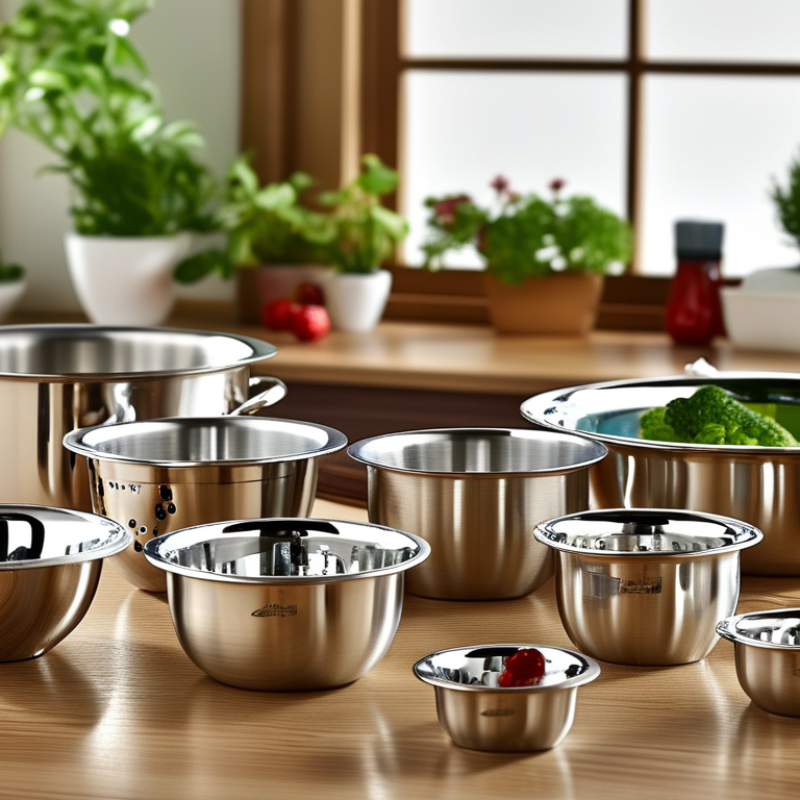
When it comes to stainless steel basin bowls, understanding the different types is crucial. There are primarily three variations: deep bowls, shallow bowls, and mixing bowls. Each serves unique purposes in both domestic and commercial kitchens. Deep bowls are perfect for washing fruits and vegetables. They can hold large quantities without splashing. Shallow bowls, on the other hand, are often chosen for serving and presenting food. Their design allows for easy access and elegant display.
Mixing bowls bridge the gap between deep and shallow. They are versatile, ideal for mixing ingredients or marinating meats. When choosing a bowl, consider its depth and size relative to your cooking needs. A larger bowl can be cumbersome for small tasks. Pay attention to the bowl’s material thickness, as this can affect durability and resistance to dents. Choosing the right type can enhance your cooking experience, but it's important to select one that fits your specific tasks. Sometimes, it's easy to overlook the bowl's functionality in favor of aesthetics.
Evaluate how you use your bowls. If you regularly prepare large meals, a spacious, deep bowl may be crucial. Conversely, if you're limited on storage, a stacking set could be beneficial. Reflecting on your needs will lead you to the right choice. Quality in a bowl can noticeably improve your kitchen routine. Selecting the best stainless steel basin bowl can elevate both efficiency and enjoyment in your cooking process.
Key Features to Consider When Choosing a Stainless Steel Basin Bowl
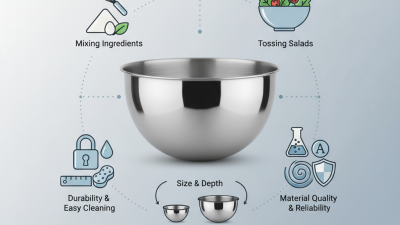
When selecting a stainless steel basin bowl, several key features should be prioritized. Material quality is essential. High-quality stainless steel is resistant to rust and corrosion. According to industry data, bowls made from 18/10 stainless steel offer excellent durability. This type of stainless steel contains 18% chromium and 10% nickel, providing a strong and resilient surface. Confirming the steel grade can prevent early wear or degradation.
Size and capacity matter too. Picking the right size ensures effective use in your kitchen or workshop. Professional kitchens often prefer bowls with a deep design, which reduces splatter during mixing. Research shows that larger bowls can accommodate a variety of tasks, from dough mixing to washing vegetables. Always consider the bowl's dimensions to match it with your cooking style.
Ease of cleaning is another factor to weigh. Stainless steel is non-porous, making it easier to sanitize. However, some bowls may have crevices that trap food particles. Differentiating between designs helps in selecting a bowl that is smooth, allowing for quick cleaning. In a busy kitchen, reducing cleaning time can significantly increase efficiency.
Ultimately, attention to these details ensures that you choose a practical and reliable stainless steel basin bowl that meets your needs.
Assessing Size and Capacity for Your Specific Needs
When choosing a stainless steel basin bowl, size and capacity are critical factors. Assess your needs before purchasing. A bowl that is too small limits your capabilities. Alternatively, an oversized bowl can take up unnecessary space. Think about the volume of ingredients you typically handle. For instance, if you often prepare meals for large families or gatherings, opt for a larger bowl that can accommodate these needs.
Consider the dimensions of the space where you store the bowl. The height and diameter should fit comfortably in your kitchen cabinets or sink. Visualize your daily cooking routine and how a bowl fits in it. It may be helpful to measure existing bowls you use. This can guide you toward a more suitable choice.
Don’t forget that the intended use matters. A bowl meant for mixing should have enough depth to avoid spills. If you need one for washing produce, a more shallow design may suffice. Frequent cooks might realize that they need multiple sizes for different tasks. Reflect on past experiences. A too-small or too-large bowl can lead to frustration during meal prep. Being mindful of these points can lead to a more satisfying selection process.
Evaluating Durability and Quality of Materials in Stainless Steel Bowls
When selecting a stainless steel basin bowl, evaluating the durability and quality of materials is essential. Stainless steel grades play a crucial role in performance. For example, 304 stainless steel is widely known for its corrosion resistance. According to a study by the American Society for Testing and Materials, higher-quality stainless steel can withstand higher temperatures and resist scratches more effectively.
The thickness of the steel also impacts durability. Bowls manufactured with a thickness of 0.8 mm or more demonstrate better resilience to bending and denting. A report by the International Stainless Steel Forum highlights that food-grade stainless steel, specifically those that comply with ASTM standards, ensures safety and longevity. Engravings or excessive polishing can sometimes mask inferior quality.
Regular maintenance can enhance the lifespan of your bowl. Scratches may weaken the surface over time. Nonetheless, not all stainless steel is the same. A lower-quality bowl may display rust after minimal exposure to moisture. Understanding the properties of materials and proper care practices is key. Remember that even slight imperfections in manufacturing can affect your bowl's usability over time. A reliable choice is one that balances value, quality, and durability.
How to Choose the Best Stainless Steel Basin Bowl for Your Needs? - Evaluating Durability and Quality of Materials in Stainless Steel Bowls
| Dimension |
Material Grade |
Durability Rating |
Corrosion Resistance |
Weight |
Price Range (USD) |
| 12 inches |
18/8 Stainless Steel |
High |
Excellent |
1.5 lbs |
$20 - $30 |
| 14 inches |
18/10 Stainless Steel |
Very High |
Excellent |
2.0 lbs |
$25 - $35 |
| 10 inches |
18/0 Stainless Steel |
Medium |
Good |
1.2 lbs |
$15 - $25 |
| 16 inches |
18/10 Stainless Steel |
Very High |
Excellent |
2.5 lbs |
$30 - $40 |
| 8 inches |
18/8 Stainless Steel |
High |
Good |
0.9 lbs |
$10 - $20 |
Comparing Price Points and Brands for Best Value Selection
When selecting a stainless steel basin bowl, price points and brand reputations play a crucial role. Industry data indicates that stainless steel products can vary widely in price, with basic models starting around $20, while high-end options can exceed $150. This disparity often reflects differences in material quality, durability, and brand prestige. Consumers tend to gravitate toward trusted brands, often paying a premium for perceived reliability. However, one must ask: does a higher price guarantee superior performance?
Market research shows that mid-range bowls often provide the best value. They balance quality and affordability. Many medium-priced options use high-grade stainless steel, offering durability without the hefty price tag. It's essential to review third-party reviews and consumer feedback to guide decision-making. Caution is warranted, as not all high-priced products deliver exceptional value. Some expensive bowls may simply feature decorative designs instead of advanced functionality.
Considerations should include the bowl's thickness and gauge. Reports suggest that a gauge of 18 or lower indicates sturdiness. Shoppers should assess where the bowl will be used. Heavy-duty options might be needed for commercial use, while lighter models can suffice for home kitchens. In conclusion, evaluating actual user experiences can lead to more informed decisions. Buyers should remain vigilant and not solely rely on brand names or prices when choosing the best stainless steel basin bowl for their needs.