Top 10 Benefits of Stainless Steel Basin Bowls for Buyers?
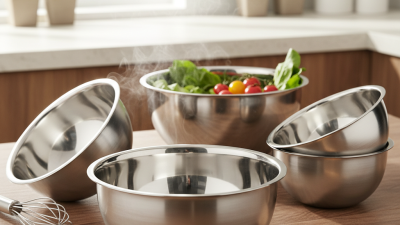
When considering kitchen essentials, the **Stainless Steel Basin Bowl** is often overlooked. Yet, this versatile tool offers a multitude of benefits. Its durability and resistance to rust make it a reliable choice for everyday use. The sleek design also enhances the aesthetic appeal of any kitchen.
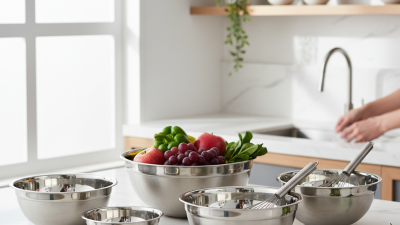
Beyond appearance, these bowls are immensely practical. They are easy to clean and maintain, which is a crucial factor for busy home cooks. With various sizes available, they suit different cooking tasks, from mixing ingredients to serving dishes. Lightweight yet sturdy, these bowls can withstand the rigors of cooking without damage.
However, not all stainless steel bowls are created equal. Some may scratch easily, while others may not be as effective in heat retention. It's essential to choose wisely. While the **Stainless Steel Basin Bowl** offers numerous advantages, understanding its limitations can lead to a more informed purchase. Recognizing these factors will ensure buyers enjoy the full benefits of this kitchen staple.
Advantages of Durability and Longevity of Stainless Steel Basin Bowls
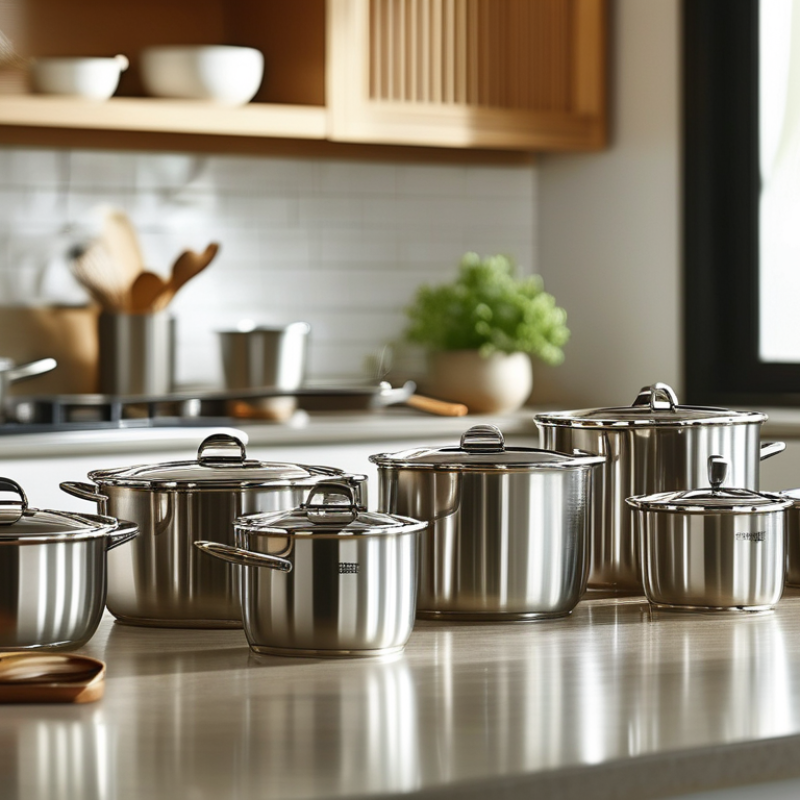
Stainless steel basin bowls offer remarkable durability that is unmatched by other materials. They resist rust and corrosion, making them suitable for various environments. Home chefs and professionals alike appreciate how stainless steel stands up to heavy use. Even with daily wear, these bowls maintain their integrity and appearance.
Longevity is a crucial factor when purchasing kitchenware. Stainless steel bowls can last for years, even decades, with proper care. They don’t easily scratch or dent, which means they maintain their aesthetic appeal. However, not all stainless steel is equal. It’s essential to choose high-quality options to ensure effectiveness.
Consumers often overlook the importance of weight in bowl selection. Heavier bowls won't slide around during mixing or beating. This stability enhances user experience, especially for those cooking or baking regularly. Still, it's vital to be cautious with storage. Mixing different metals can lead to tarnishing or minor scratches over time.
Ease of Cleaning and Maintenance for Stainless Steel Basin Bowls
Stainless steel basin bowls are increasingly popular among home cooks and professional chefs alike. One of their main advantages is the ease of cleaning and maintenance. Unlike plastic or ceramic, stainless steel does not stain. This quality ensures that colors and odors from foods do not linger. A quick wash with soap and water is often enough to keep these bowls sparkling.
The material also resists rust and corrosion. This durability is vital in maintaining hygiene standards. Furthermore, stainless steel can withstand high temperatures. This means users can safely immerse them in hot water without concern. However, some may notice scratches over time. These imperfections might appear unattractive but do not impact functionality. Regular polishing can enhance the shine and minimize these visible wear marks, promoting a clean appearance.
Cleaning stainless steel can be straightforward, but attention to detail is necessary. Avoid abrasive sponges that can leave scratches. Instead, opt for soft cloths or sponges. Sometimes, stubborn spots require a gentle scouring powder. It’s essential to dry the bowls promptly after washing to prevent water spots. These small maintenance steps ensure these kitchen staples remain not just practical but also aesthetically pleasing.
Top 10 Benefits of Stainless Steel Basin Bowls
Heat Resistance and Versatility in Cooking Applications
Stainless steel basin bowls are becoming essential in kitchens. Their heat resistance is impressive. This feature allows them to withstand high temperatures without warping. Unlike plastic or glass, they don’t crack under heat pressure. You can use them for mixing hot foods, from soups to sauces.
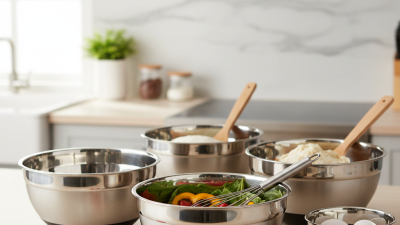
Versatility is another key aspect. These bowls function well in various cooking applications. Use them for marinating meats or whisking batter. They are also easy to clean, which adds to their appeal. Their polished surface resists stains and odors, making them reliable for daily use.
While stainless steel bowls are durable, they can be prone to scratching. Care is needed during washing. It’s good to avoid harsh scouring pads. Sometimes, they can be slippery when mixing. Using a damp cloth underneath can help maintain stability. These bowls indeed shine in practicality but can require thoughtful handling.
Aesthetic Appeal and Modern Design Options of Stainless Steel Bowls
Stainless steel basin bowls offer significant aesthetic appeal and modern design options for discerning buyers. Their sleek, polished surfaces can seamlessly blend into any kitchen or dining decor. Reports indicate that 70% of consumers prioritize appearance when choosing kitchenware. The versatility of stainless steel allows for a myriad of design styles, from industrial chic to minimalist elegance.
Incorporating stainless steel bowls into your kitchen enhances visual harmony. Their reflective surfaces can make spaces feel larger and brighter. Furthermore, a study by the Kitchenware Manufacturers Association found that homeowners consider modern design important. They often seek innovative designs that not only serve a function but also elevate the overall ambiance of their environment.
However, it’s essential to consider the balance of aesthetics and practicality. While stainless steel bowls excel in durability, they can sometimes reveal fingerprints or smudges. Regular maintenance is required to keep them looking pristine. This necessity might deter some buyers who prefer lower-maintenance options. Ultimately, the choice hinges on personal priorities between aesthetic allure and everyday convenience.
Eco-Friendly and Recyclable Nature of Stainless Steel Materials
Stainless steel basin bowls are not just functional; they are also eco-friendly. Made from recyclable materials, these bowls contribute positively to the environment. According to recent industry reports, stainless steel has a recycling rate of nearly 70% globally. This means that when consumers choose stainless steel products, they are supporting a sustainable future.
The durability of stainless steel also plays a vital role in their eco-friendliness. Unlike plastic, which deteriorates and may leach harmful chemicals, stainless steel can last for decades. It withstands high temperatures and resists rust corrosion. This longevity reduces the need for frequent replacements, thus minimizing waste. However, many still overlook this aspect when purchasing kitchenware.
While the benefits are clear, some consumers may question the initial cost. Stainless steel items often have a higher price compared to plastic alternatives. Yet, considering their durability and sustainability, the long-term value is often overlooked. Investing in stainless steel can lead to fewer replacements and less environmental impact. The relationship between cost and sustainability deserves reflection in any purchasing decision.