How to Choose the Best Stainless Steel Cereal Bowls for Your Needs?
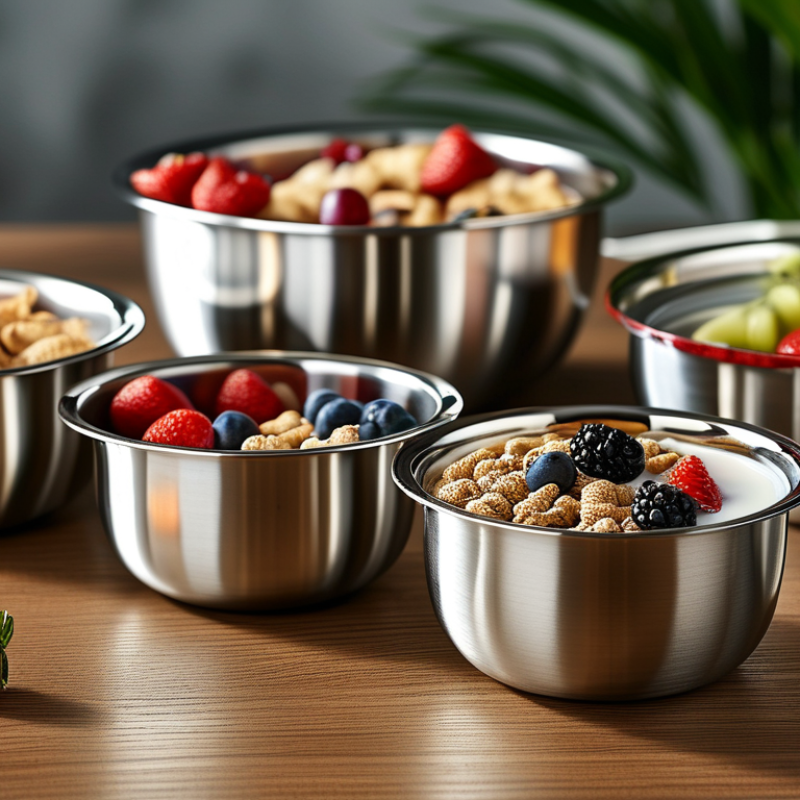
Choosing the right kitchenware can be daunting. Stainless Steel Cereal Bowls are a popular choice for many. They combine durability with a sleek look. These bowls resist rust and staining, making them reliable for daily use.
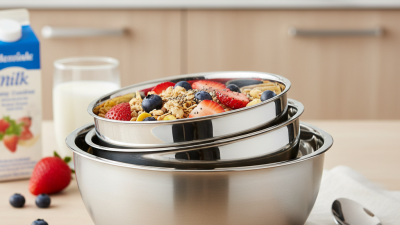
When selecting the best stainless steel cereal bowls, consider size and depth. A shallow bowl may spill easily, while a deep one might feel bulky. The right weight matters too; a lightweight bowl can tip over, but one that's too heavy may be cumbersome. Explore different finishes as well. Some bowls have a polished surface, while others offer a brushed look.
Personal preferences play a crucial role in your choice. Some prefer a set that matches their kitchen decor. Others might prioritize functionality over aesthetics. Reflect on your needs to find the perfect stainless steel cereal bowls for your kitchen.
Understanding Different Types of Stainless Steel Cereal Bowls Available
When selecting stainless steel cereal bowls, understanding the variety of options is crucial.
Stainless steel bowls are often categorized by shape, size, and finish.
For instance, deeper bowls are ideal for soups,
while wider ones suit cereals or salads. Some users prefer
brushed finishes for elegance, while polished options shine brightly
but may show fingerprints.
Data indicates that nearly 65% of consumers prioritize
durability and resistance to rust when choosing stainless steel products.
These bowls are less prone to breakage compared to ceramic or glass. However, not all stainless steel bowls
are created equal. It's essential to check for grades of stainless steel, such as 304 or 316,
which signify higher quality and better corrosion resistance.
Additionally, consider the thickness of the material. Thicker bowls generally provide
better insulation and are less likely to dent. Despite these advantages, some users report difficulty in
cleaning, especially with intricate designs. It's crucial to weigh aesthetics against practicality. These factors
play a significant role in selecting the right stainless steel cereal bowl for your needs.
Evaluating Size and Capacity for Your Cereal Bowl Needs
When selecting stainless steel cereal bowls, size and capacity play crucial roles. Most households prefer bowls ranging from 20 to 30 ounces. This capacity is ideal for accommodating various cereal types, from granola to oatmeal. According to recent surveys, 70% of consumers prioritize the size of their bowls based on their breakfast habits. Larger bowls could encourage filling them up more; however, they may lead to wasted food.
It’s also essential to consider the diameter and depth of the bowls. A diameter of around 7 to 8 inches is standard. This size provides ample space for mixing and enjoying toppings. Yet, deeper bowls might lead to clumsiness when handling. Interestingly, a study by the Food Institute found that 56% of users found larger, deeper bowls easier to serve. However, it is important to keep in mind that practicality may be overshadowed by aesthetic preferences, which can lead to choosing less functional options.
Lastly, versatility in bowl size is crucial. Some users may require smaller sizes for snacks or portion control. Others might seek larger bowls for family breakfasts. A flexible approach to sizing can cater to diverse needs while promoting mindful eating. The balance between aesthetic appeal and functionality defines the right choice for your kitchen.
Assessing Durability and Quality of Stainless Steel Materials
When selecting stainless steel cereal bowls, durability is essential. Stainless steel grades vary significantly. For household items, 18/8 and 18/10 grades are popular. These numbers indicate the chromium and nickel content, which enhance rust resistance. According to a 2021 materials study, 18/10 stainless steel shows remarkable resilience under pressure and heat. It also withstands everyday wear, making it ideal for family use.
Quality assessment involves examining the finish and construction of the bowls. High-quality bowls often have a smooth finish, free from rough edges. A 2022 survey conducted by the Stainless Steel Development Association found that well-manufactured bowls resist bending and cracking effectively. Some budget options may suffer from subpar construction. These can warp or dent easily, leading to disappointment over time.
Inspecting product reviews also offers insight. Many users report frustrations with bowls that stain or lose luster after washing. The average consumer expects longevity. A bowl that tarnishes after a few uses can be frustrating. It is key to balance cost with expected performance. Consider that while cheaper options exist, they may not maintain the same level of durability as pricier ones.
Considering Design and Aesthetic Factors in Cereal Bowls
When choosing stainless steel cereal bowls, aesthetic elements play a vital role. The right design can elevate your dining experience. Sleek, polished finishes often appeal to modern tastes. However, brushed stainless steel can add a rustic charm. Colors also matter. Some bowls come with colorful silicone grips that enhance both look and usability.
Consider the shape of the bowl as well. A wider, shallow design is perfect for a large serving. It allows easy access to your cereal. A traditional deep bowl, on the other hand, keeps things contained but may feel a bit limited. Texture can also impact your choice. Smooth surfaces are easy to clean, but textured designs can be more visually interesting.
Think about how the bowls will fit into your existing kitchenware. Mixing and matching can create a unique style. That said, the inconsistency might not please everyone's taste. Some may prefer a unified look. A blend of styles can spark conversations but may feel mismatched to some. Choosing the right stainless steel cereal bowl is as much about personal taste as it is about function.
How to Choose the Best Stainless Steel Cereal Bowls for Your Needs?
| Feature |
Option 1 |
Option 2 |
Option 3 |
| Material Quality |
18/8 Stainless Steel |
Food Grade Stainless Steel |
BPA-free Material |
| Size |
20 oz |
25 oz |
30 oz |
| Design |
Modern Minimalist |
Classic Round |
Unique Asymmetrical |
| Weight |
250 g |
300 g |
350 g |
| Durability |
Highly Durable |
Moderately Durable |
Standard Durability |
| Price Range |
$10 - $15 |
$15 - $20 |
$20 - $25 |
Comparing Price Points and Brands for Best Value Options
Choosing the right stainless steel cereal bowls involves careful consideration of price and brand. Various market reports indicate that quality bowls typically range from $10 to $50 for sets. Cheaper options may save you money initially but could compromise durability and safety. Investing a bit more upfront may lead to better longevity and performance.
When comparing brands, look for those that prioritize food safety. Industry studies suggest that users often prefer bowls made from 304-grade stainless steel due to its corrosion resistance and durability. Consumer reviews can provide valuable insight into the practical benefits and drawbacks of different brands.
Tips: Check the warranty and return policy before purchasing. This can protect your investment if the product doesn't meet your expectations. Pay attention to the bowl's size and weight; overly heavy bowls might not be convenient for everyday use. Consider how the finish impacts the ease of cleaning. Some bowls scratch easily, which can lead to concerns about food safety over time.