The Best Stainless Steel Mixing Bowls For Every Kitchen Need?
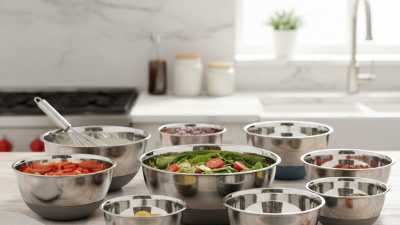
In every kitchen, stainless steel mixing bowls play a crucial role. They offer durability, resistance, and versatility. Many cooks prefer these bowls for their sleek design and ease of cleaning. Whether you are preparing a simple salad or baking a complex cake, having the right mixing bowl makes a difference.
Choosing the best stainless steel mixing bowls can be overwhelming. With various sizes and styles available, it's easy to get lost in the options. Some bowls have non-slip bases, while others stack neatly for storage. Think about your needs. Will you often mix large batches or just small portions? This reflection can guide your purchase.
Experience shows that quality matters. A sturdy bowl can withstand the rigors of daily use. It’s worth investing in a set that meets your requirements. Remember, the right kitchen tools enhance the cooking experience, allowing you to focus on creativity. So, let’s explore the best stainless steel mixing bowls tailored for every kitchen need.
The Importance of Choosing the Right Stainless Steel Mixing Bowls
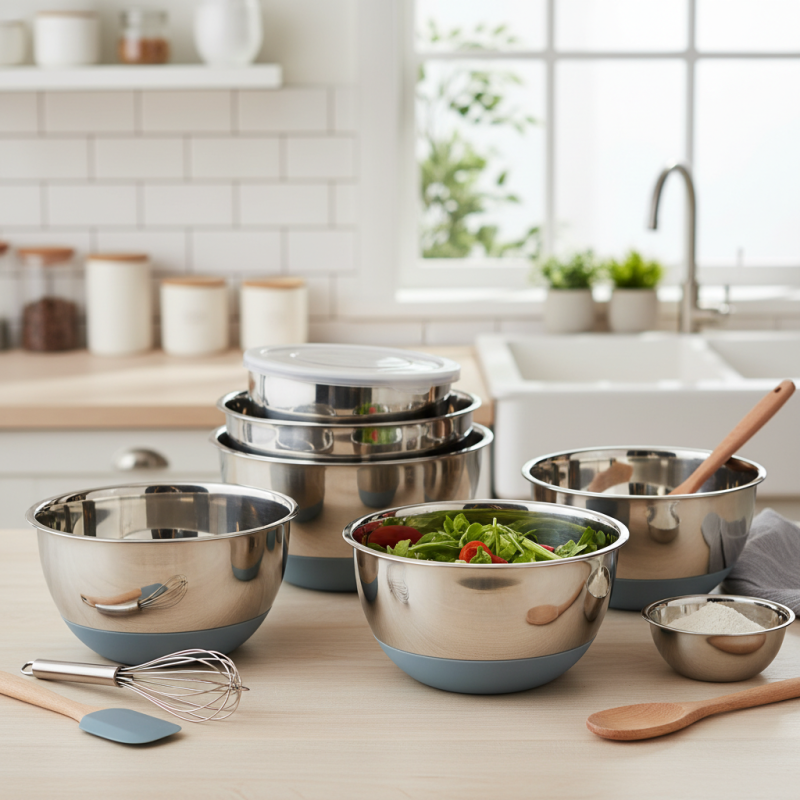
Choosing the right stainless steel mixing bowls is crucial for any kitchen. These bowls come in various sizes and shapes, making them versatile for different tasks. Whether you’re whisking eggs or mixing dough, the right bowl ensures efficiency. A well-chosen bowl can make preparation smoother and faster, enhancing your overall cooking experience.
Stainless steel is durable and resistant to stains and odors. However, not all bowls are equal. Some may bend or warp under pressure. It's important to consider the weight and thickness of the material. Thicker bowls tend to last longer and provide better stability during mixing. Users often overlook this detail, leading to frustration later on.
Many people also forget to evaluate the bowl’s depth. A shallow bowl can cause spills, while a deeper one can trap ingredients. Understanding the dimensions needed for your tasks is key. Aim for a balance between functionality and comfort. Ultimately, the right bowl should inspire confidence and creativity in your cooking, helping you to experiment and refine your culinary skills.
Types of Stainless Steel Mixing Bowls: A Comprehensive Overview
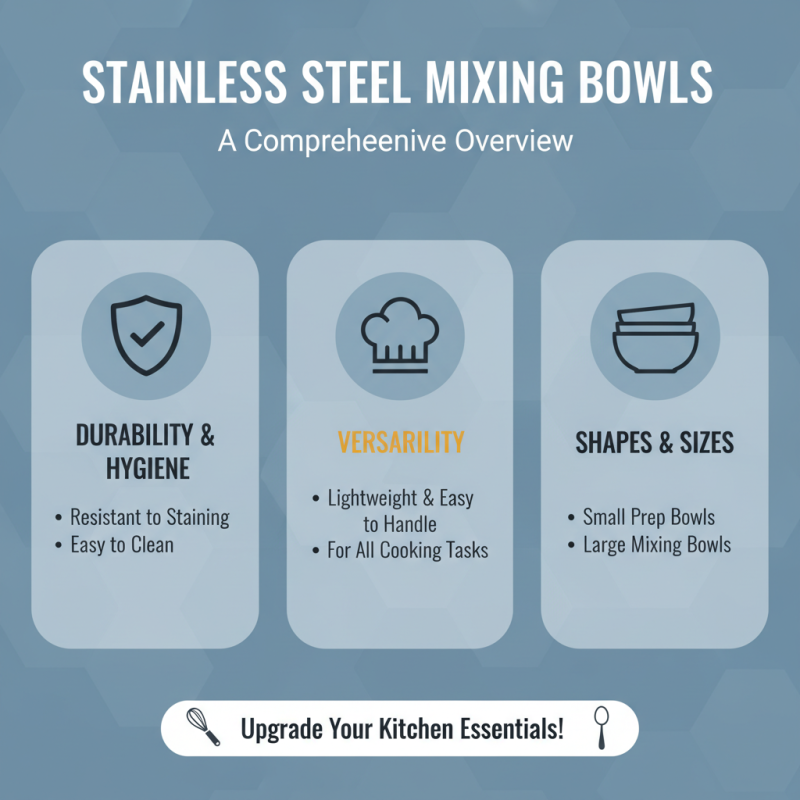
When it comes to mixing bowls, stainless steel offers a durable and versatile option. Many kitchens rely on them for their lightweight nature and resistance to staining. These bowls come in various shapes and sizes, each designed for specific cooking tasks. From small prep bowls to large mixing bowls, they cater to every kitchen need.
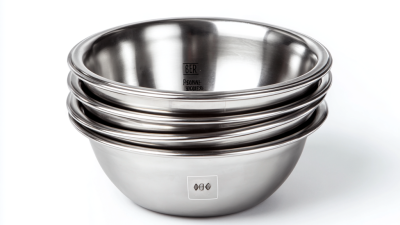
There are primarily three types of stainless steel mixing bowls. The first is the traditional mixing bowl, perfect for combining ingredients. Its deep sides prevent spills. The second type includes nesting bowls, which save space in your cabinets. They are practical for storage but can be challenging to clean thoroughly due to their curves. Lastly, there are specialized bowls with lids, ideal for marinating or storing leftovers. They might not fit well with other bowls, which can be an issue.
Choosing the right mixing bowl may seem straightforward, yet details matter. Users often complain about bowls that scratch easily or fail to hold temperature. In reality, a good mixing bowl should combine usability with durability. Each type has its pros and cons; understanding these can enhance your cooking experience significantly. Reflecting on what you need will guide you to a suitable choice.
Key Features to Consider When Selecting Mixing Bowls for Cooking
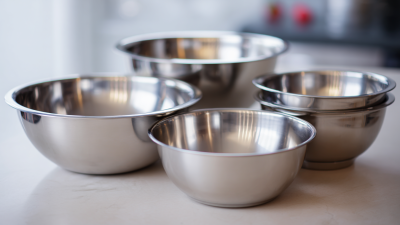
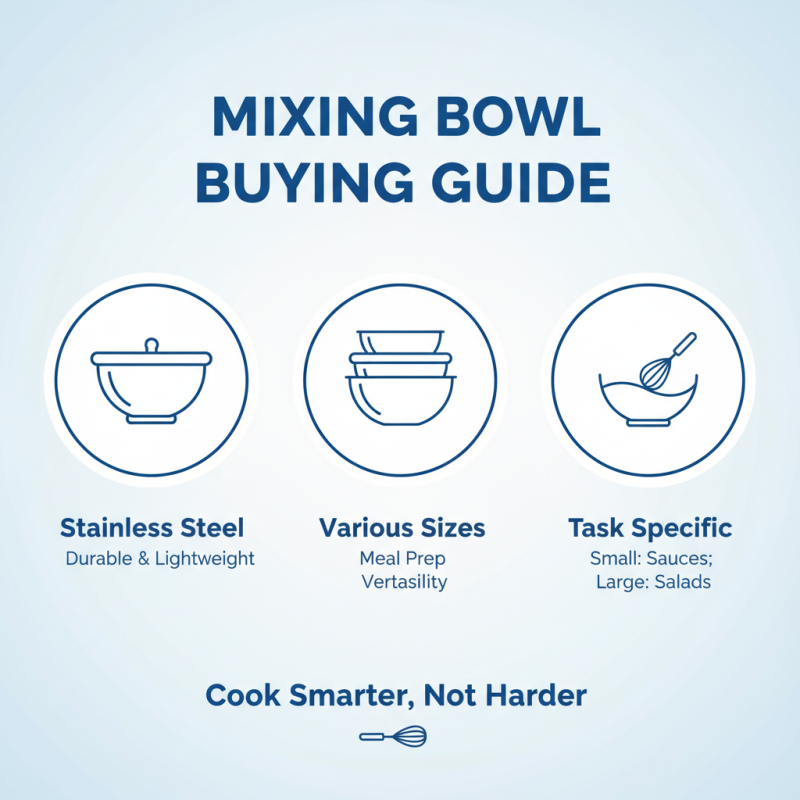
When selecting mixing bowls, key features play a significant role. Stainless steel bowls are durable and resistant to rust. They are also lightweight, making them easy to handle during meal prep. An ideal set includes various sizes to suit different tasks, from whipping egg whites to tossing salads. A larger bowl can accommodate big batches, while a smaller one is perfect for mixing spices or sauces.
Consider the bowl's depth as well. Deep bowls prevent spills while mixing and are ideal for vigorous stirring. Look for bowls with a smooth inner surface that is easy to clean. A non-slip base can also enhance stability during use, especially when dealing with heavy ingredients. Moreover, stackable designs save storage space, which is often a concern in busy kitchens.
Don’t overlook the importance of versatility. Some bowls can be used in the oven or freezer, adding functionality. However, not all bowls are created equal; some may warp over time with heat. Finding the right balance between cost and quality requires research. Be cautious of overly cheap options, as they may not withstand daily use. Each kitchen has unique needs, so reflect on your cooking habits before making a choice.
Industry Insights: Best Practices from Professional Chefs on Bowl Selection
When it comes to selecting mixing bowls, professional chefs emphasize durability and versatility. A report from the Culinary Institute of America found that 75% of chefs prefer stainless steel for its non-reactive quality and longevity. Stainless steel doesn't absorb flavors. This is vital for chefs who aim to maintain the integrity of their dishes. Despite its many benefits, some chefs reflect on the challenge of balancing weight and size. A heavy bowl may seem stable, yet it can be cumbersome during prolonged mixing.
In addition, size and shape also play a crucial role in bowl selection. Industry data suggests that a set with various sizes can address different cooking tasks. Smaller bowls are optimal for whisking together eggs or measuring ingredients. However, larger bowls provide ample space for tossing salads or mixing dough. Backup options are helpful for advanced preparation but might clutter smaller kitchens. Finding a balance between utility and storage is an ongoing reflection for many culinary professionals.
Moreover, the finish of the bowl matters too. While a polished surface can enhance aesthetics and ease of cleaning, it may be prone to scratches. Chefs often recommend investing in bowls with a brushed finish for a more practical, durable surface. These insights can guide home cooks in making informed choices. Such decisions add unique value to their culinary journey.
Top Brands in Stainless Steel Mixing Bowls and Their Market Reputation
When it comes to stainless steel mixing bowls, several brands stand out due to their reputation and quality. These popular brands are known for durable materials and thoughtful designs. Many professionals and home cooks prefer their products for everyday use. They know these bowls can endure a good amount of wear and tear. In the kitchen, reliability is key. A sturdy bowl won’t easily dent or warp, maintaining its shape over time.
Some brands have been in the market for decades. Their experience contributes to a strong customer base. Users appreciate their consistent performance and thoughtful attention to detail. While many bowls boast impressive finishes, not all provide the same functionality. A shiny bowl might look nice but could be slippery when mixing. It’s vital to find the right balance between aesthetics and usability. Some lesser-known brands may offer surprising quality at lower prices. Exploring these options can save money without sacrificing performance.
User reviews often reflect their satisfaction or frustration. Some bowls may become rusted after a few washes, indicating poor craftsmanship. Others may struggle to manage heat during tasks like melting chocolate. Gathering feedback on various products can help buyers make informed choices. It’s crucial to understand that not every reputable brand will meet your needs perfectly. No product will be flawless, and personal preference plays a significant role.
The Best Stainless Steel Mixing Bowls For Every Kitchen Need
This chart displays the popularity rating of different stainless steel mixing bowls based on their capacities. The ratings reflect consumer preferences and satisfaction levels.