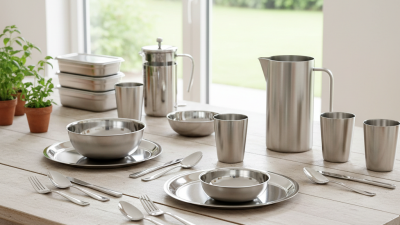
2026 Best Stainless Steel Tableware for Global Buyers
In 2026, global buyers need more than attractive product photos when selecting Stainless Steel Tableware. They need dependable materials, consistent production, and evidence behind every specification. A polished fork may look identical to another, yet thickness, steel grade, edge finishing, and polishing quality can differ significantly. Small details matter. A spoon should feel balanced in the hand, while a plate should resist bending during repeated commercial use.
This guide examines practical buying factors from a professional sourcing perspective. It considers common stainless steel grades, food-contact suitability, surface treatments, packaging, customization, and quality inspection. Buyers should request material certificates, sample approvals, factory photographs, and test reports from qualified suppliers. They should also confirm dimensions, weight tolerance, carton strength, and washing performance before placing large orders. A sample that survives one inspection may not represent every production batch.
There is no universal solution. A hotel buffet, airline caterer, restaurant chain, and household retailer may require different designs and durability levels. Some supplier information may be incomplete or presented too confidently. That deserves careful review. Buyers should compare several quotations and clarify every unclear term in writing. Shipping conditions, replacement policies, and production lead times can affect the real purchase cost. Reliable decisions come from documented checks, practical testing, and honest communication. This 2026 overview helps international buyers evaluate Stainless Steel Tableware with greater confidence, while recognizing that even experienced sourcing teams can miss small but costly details.
What Defines the Best Stainless Steel Tableware in 2026
The best stainless steel tableware in 2026 is defined by measurable performance, not mirror-like shine. In factory inspections, buyers should check food-contact documentation, weld smoothness, rim safety, and repeated dishwasher resistance. A heavy piece can still be poorly balanced. Thickness alone is not quality.
The International Stainless Steel Forum reported approximately 58.4 million tonnes of global stainless steel production in 2023. This scale makes traceability increasingly important. Ask suppliers for the exact steel grade, mill certificates, surface-finish records, and batch inspection results. Common food-service grades can resist daily moisture, but salt, acidic sauces, and chlorine exposure still demand careful material selection. The European Commission’s Regulation (EC) No. 1935/2004 requires food-contact materials to avoid transferring harmful substances under normal use. Compliance paperwork should be current, specific, and verifiable.
Design also matters. The United Nations Environment Programme’s Food Waste Index Report 2024 estimated 1.05 billion tonnes of food waste in 2022. Tableware cannot solve waste, but durable, stackable pieces can support efficient service and reduce frequent replacement. Look for reinforced handles, stable bases, and edges that remain comfortable after polishing. Recycled content is useful, yet it should not replace testing or traceability. This is where buyers sometimes compromise. The cheapest polished surface may reveal scratches, discoloration, or rough welds sooner than expected. Ask for independent test samples, not only catalogue photographs.
Stainless Steel Grades, Finishes, and Manufacturing Features
For global buyers in 2026, stainless steel tableware should be assessed by grade, finish, and production control. Grade 304 remains a practical choice for plates, cutlery, and serving pieces. It offers strong corrosion resistance and stable performance in normal food-service environments. Grade 316 contains molybdenum, which improves resistance to salt and chloride exposure. It suits coastal kitchens and demanding commercial use. Grade 430 is more magnetic and often more economical, but it generally provides lower corrosion resistance.
Finish affects both appearance and daily maintenance.
A mirror polish reflects light across smooth surfaces, while a satin or brushed finish hides small scratches better. Matte textures can reduce glare but may hold more residue if poorly controlled. The best finish depends on cleaning methods, handling frequency, and target market expectations. Too much polishing is not always better. It can create uneven edges or thin visible areas.
Manufacturing details often reveal product reliability.
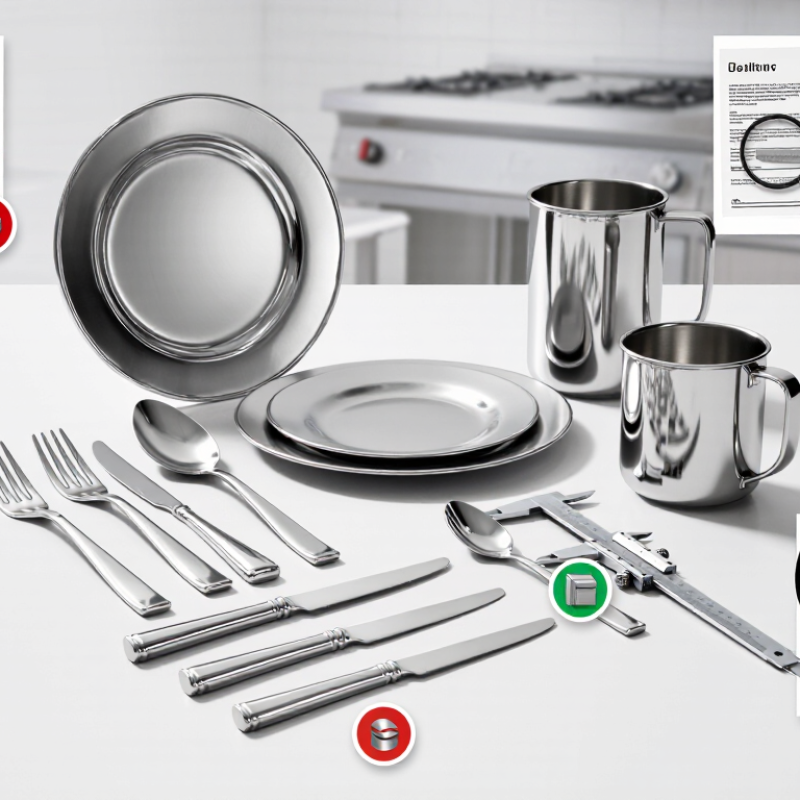
During factory inspections, buyers should check rim smoothness, consistent wall thickness, clean welds, and stable stacking. Deep drawing should avoid cracks around corners. Edge rolling should leave no sharp points. Passivation or electropolishing can improve surface cleanliness when properly applied. I have seen attractive samples fail because handles loosened after repeated washing. This is easy to miss. Buyers should request test records, material certificates, salt-spray or dishwasher evaluations, and production samples before approving a large order. Even reliable specifications need practical verification.
Main Tableware Categories and Their Global Applications
2026 Best Stainless Steel Tableware for Global Buyers
Stainless steel tableware serves different needs across homes, hotels, restaurants, schools, and catering operations. Flatware includes spoons, forks, knives, and serving utensils. Its value depends on balance, edge comfort, polishing quality, and resistance to repeated washing. In busy dining rooms, heavier handles often feel more stable. However, excessive weight can increase shipping costs and user fatigue. Small details matter.
Dinnerware includes plates, bowls, trays, cups, and compartment dishes. These products suit buffets, airline catering, outdoor events, and institutional kitchens. Deep bowls help with soups and noodles, while divided trays support portion control in schools and hospitals. Buyers should inspect the rim carefully. A thin rim may dent more easily, although it can reduce material use and freight weight. That trade-off deserves attention.
Servingware and kitchen-use tableware include food pans, sauce containers, tongs, ladles, and beverage accessories. Food-service buyers commonly prefer corrosion-resistant stainless steel for frequent contact with moisture, salt, and acidic foods. Many projects select 304 stainless steel for demanding service, while 430 stainless steel may fit drier, budget-focused applications. The correct choice depends on cleaning routines, local water quality, thickness, and expected service life. From practical inspections, welds, seams, and surface consistency reveal more than attractive product photos. Sample testing remains essential, because specifications alone cannot show every weakness.
How Global Buyers Can Evaluate Suppliers and Select Products
2026 Best Stainless Steel Tableware for Global Buyers
Global buyers should evaluate suppliers before comparing table prices. A low quotation may hide thin material, unstable polishing, or weak packaging. Request samples from the proposed production line, not only showroom pieces. Check the steel grade, thickness, weight, edge smoothness, and weld quality. For many food-service applications, 304 stainless steel is common, while 316 may suit more corrosive environments. Supplier documentation should support these claims.
Ask for food-contact test reports from qualified laboratories. Confirm production capacity, minimum order quantity, lead time, and replacement procedures in writing. A reliable supplier can provide batch records, material certificates, inspection photos, and clear carton specifications. During a factory review, observe storage areas, polishing stations, and final inspections. Dust on finished forks is a small warning.
Packaging deserves practical testing. Drop a carton from a realistic handling height, then inspect bent handles, scratched surfaces, and loose separators. I have seen attractive samples fail after long sea transport. The mistake was trusting appearance instead of testing vibration and moisture exposure. Buyers should also compare actual container loading plans, not estimated quantities.
Communication reveals capability. Ask the same technical question twice, using different wording. Inconsistent answers deserve investigation. Some suppliers may promise too much, especially during peak seasons. Build a trial order with measurable acceptance standards. Recheck random pieces before shipment. Perfect evaluations are rare, and even experienced buyers can overlook one weak detail.
2026 Best Stainless Steel Tableware for Global Buyers
Representative midpoint values of common chemical-composition ranges used to compare stainless steel grades for tableware sourcing. Buyers should verify the applicable standard, mill certificate, food-contact compliance, corrosion testing, and surface finish with each supplier.
Higher chromium generally supports corrosion resistance, while nickel and molybdenum can improve corrosion performance and durability. Composition is a screening factor, not a complete supplier qualification.