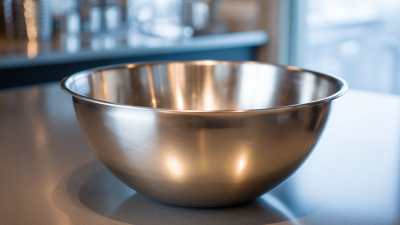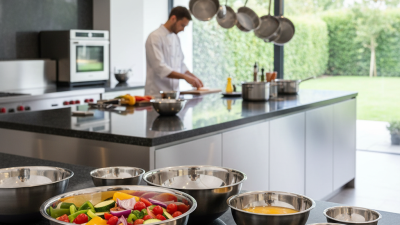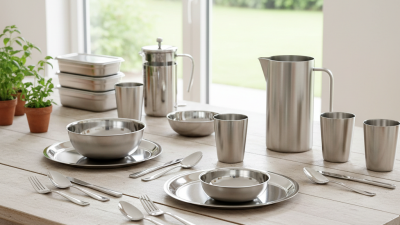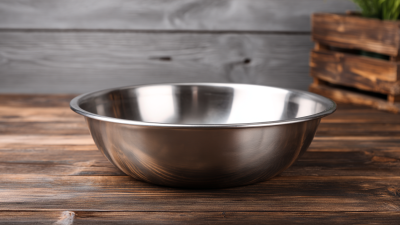
When it comes to choosing kitchen essentials, the Stainless Steel Basin Bowl stands out as a vital tool for both professional chefs and home cooks alike. Its durability, resistance to corrosion, and stylish design make it an ideal choice for various culinary tasks. However, with numerous options available on the market, selecting the perfect stainless steel basin bowl can be a daunting task. Understanding the features and factors that contribute to the overall performance and functionality of these bowls is crucial for making an informed decision.
This guide provides ten essential tips that will help you navigate through the options, ensuring that you choose a stainless steel basin bowl that not only meets your expectations but also enhances your cooking experience. From considerations regarding size and material quality to design and usability, we will cover everything you need to know. Whether you're mixing ingredients, serving dishes, or washing fruits and vegetables, the right stainless steel basin bowl can make a significant difference in both efficiency and enjoyment in the kitchen.
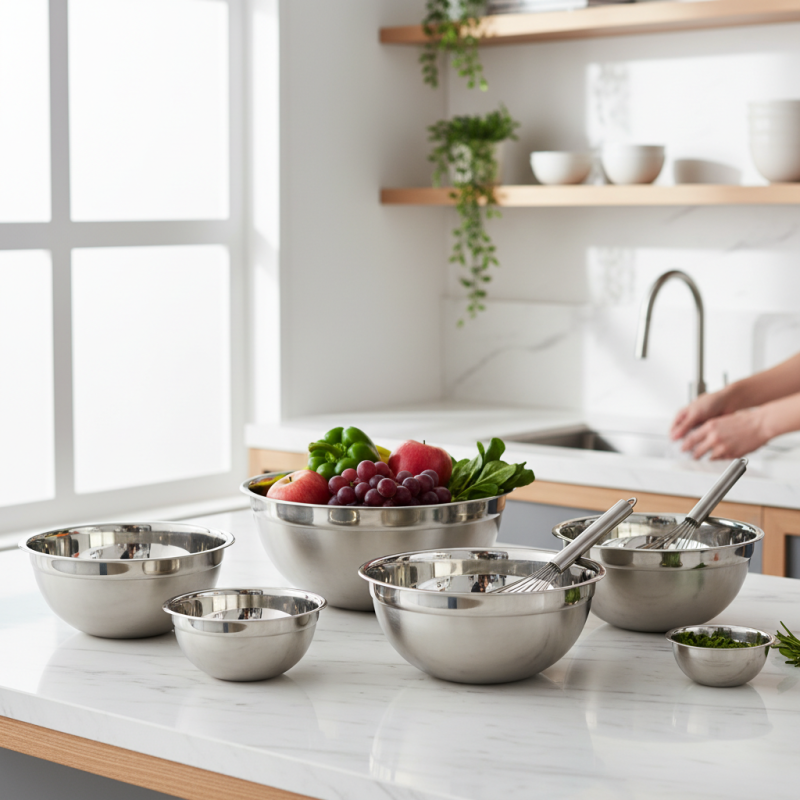
When it comes to selecting the perfect stainless steel basin bowl, understanding the different types available is crucial. Stainless steel bowls come in various grades, primarily categorized by their gauge. The higher the gauge number, the thinner the steel, which affects both durability and weight. For instance, a gauge of 18 is commonly used in professional kitchens due to its robustness, while a 22-gauge bowl might be more appropriate for home use where less heavy-duty performance is required. Additionally, look for bowls that feature a brushed or polished finish, as these not only enhance the aesthetic appeal but also offer resistance to scratches and stains.
Another important distinction among stainless steel basin bowls is their design and functionality. Some bowls come with a flat base, providing stability when mixing or pouring, while others have a rounded base that allows for easier handling and cleaning. Deep bowls are versatile for various tasks, from mixing ingredients to serving large portions, while shallower bowls are ideal for tasks like washing fruits and vegetables. Furthermore, consider whether you need bowls with lids or stacking capabilities for optimal storage efficiency. Understanding these variations can significantly enhance your cooking experience and ensure you select the right bowl for your kitchen needs.
When selecting a stainless steel basin bowl, understanding the size and capacity that best suits your kitchen needs is paramount. Consider the primary use of the basin; whether it’s for washing fruits and vegetables, rinsing dishes, or food preparation will influence your choice. A bowl that's too small may lead to overcrowding, making it difficult to clean efficiently, while one that's excessively large can take up valuable counter space. Aim for a design that complements your workflow and fits seamlessly into your kitchen layout.
Tip: Measuring the available space in your kitchen is essential. Take note of the dimensions of your countertop and storage areas to ensure that the basin bowl you choose has adequate space around it. Additionally, think about the volume of food you typically manage. For larger families or frequent entertainers, opting for a spacious bowl can significantly enhance efficiency in food preparation and cleanup. The key is to find a balance between size and capacity that meets your daily cooking demands while still being manageable in your kitchen space.
Another important factor to consider is the bowl's depth. A deeper basin can prevent spillage when washing larger items, while a shallow design may aid in easy access for smaller tasks. Choose wisely based on the variety of uses you anticipate, ensuring versatility and practicality in your stainless steel basin bowl selection.
When selecting the perfect stainless steel basin bowl, understanding material quality and durability standards is crucial to ensure you make a wise investment. Stainless steel is recognized for its resistance to corrosion and rust, making it a preferred choice for kitchenware. When examining a bowl, look for 18/10 stainless steel, which contains 18% chromium and 10% nickel, providing excellent strength and resistance to staining. This composition enhances the bowl's longevity, maintaining its shine even after repeated use.
Tip one: Always check for a smooth finish. A well-crafted stainless steel bowl should have a seamless design that not only contributes to its aesthetic appeal but also prevents food residue from getting stuck in crevices. Additionally, ensure that the bowl is thick enough to withstand temperature changes and heavy use without warping.
Tip two: Consider the weight of the bowl. A heavier bowl often indicates better quality, as it can signify a thicker gauge of stainless steel. This added weight can enhance its stability on your counter or during mixing, minimizing the risk of slips or spills.
Incorporating these considerations into your selection will not only enhance your kitchen experience but also ensure you're investing in a durable piece that can withstand the test of time.
| Tip | Description | Material Quality | Durability Standards |
|---|---|---|---|
| 1. Know Your Grades | Familiarize yourself with different stainless steel grades such as 304 and 316. | 304 is resistant to rust and oxidation. | Look for ASTM standards compliance. |
| 2. Thickness Matters | Select a bowl with a thicker gauge for better durability. | Thicker bowls resist dents and deformation. | Minimum gauge of 20 recommended for heavy-duty use. |
| 3. Finish Quality | Choose bowls with a polished finish to prevent scratches. | Satin or matte finishes may conceal fingerprints better. | Check for uniformity and smoothness of the finish. |
| 4. Anti-Corrosive Properties | Ensure the bowl has anti-corrosion features for longevity. | 316 grade steel has higher resistance to saltwater corrosion. | Look for bowls treated for enhanced corrosion resistance. |
| 5. Size Matters | Select the appropriate size for your kitchen needs. | Ensure it fits in your sink or prep area comfortably. | Follow standard dimensions for compatibility. |
| 6. Weight Consideration | Heavier bowls are typically more durable and stable. | Lighter bowls may be easier to handle. | Assess weight against intended use. |
| 7. Shape and Design | Consider if the shape fits multitasking in the kitchen. | Round bowls are versatile; square bowls maximize storage. | Use purpose-driven designs for better functionality. |
| 8. Compatibility with Cookware | Ensure the bowl can be used with other kitchen tools. | Look for bowls that can withstand high temperatures. | Check for thermal shock resistance. |
| 9. Dishwasher Safe | Select a bowl that is easy to clean. | Look for bowls marked as dishwasher safe. | Ensure they withstand frequent washing without damage. |
| 10. Warranty and Return Policy | Check for warranties that cover defects and damage. | A good warranty indicates confidence in product quality. | Look for at least a 1-year warranty as standard. |
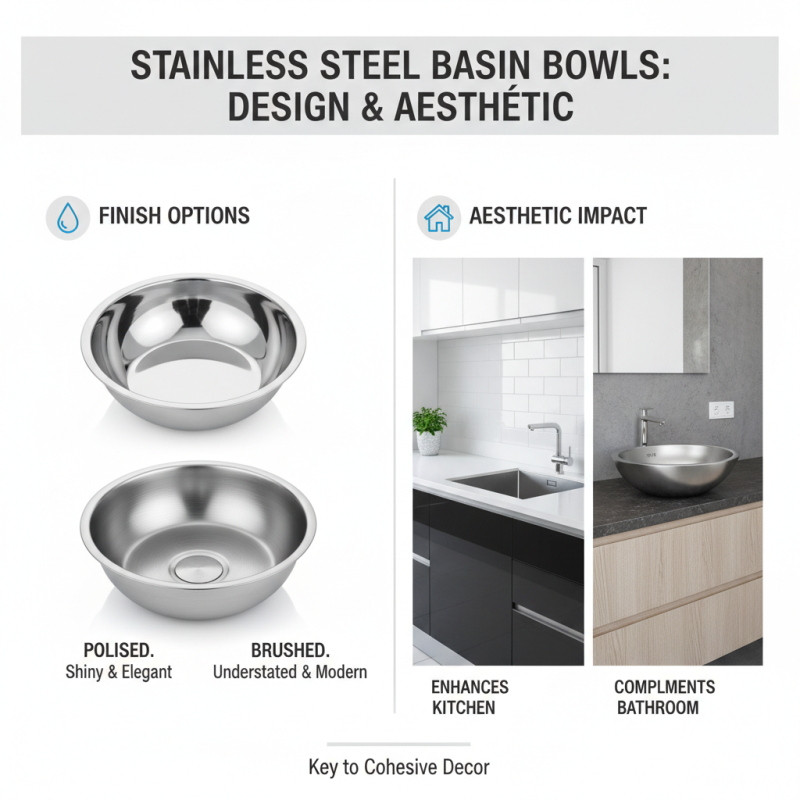
When selecting a stainless steel basin bowl, design and aesthetic factors play a pivotal role in ensuring that the bowl complements your kitchen or bathroom decor. Stainless steel is renowned for its sleek, contemporary look that can enhance the aesthetics of any space. Consider the finish of the bowl: polished stainless steel offers a shiny, reflective surface that adds a touch of elegance, while brushed finishes provide a more understated and modern appeal. This choice can significantly influence the overall ambiance of your space, allowing for a seamless integration with other fixtures and appliances.
Additionally, the shape and size of the basin bowl should align with your personal style and the functional needs of the area. Round and oval shapes often exude a softer, more organic feel, whereas rectangular or square designs can introduce a sharper, more geometric look. Think about how the dimensions will fit within your available space; a well-proportioned bowl can be a focal point while maintaining practicality. Don’t forget to consider how the bowl will interact with other design elements, such as countertops or cabinetry, ensuring it not only looks great but also serves as a functional piece in your daily routine.
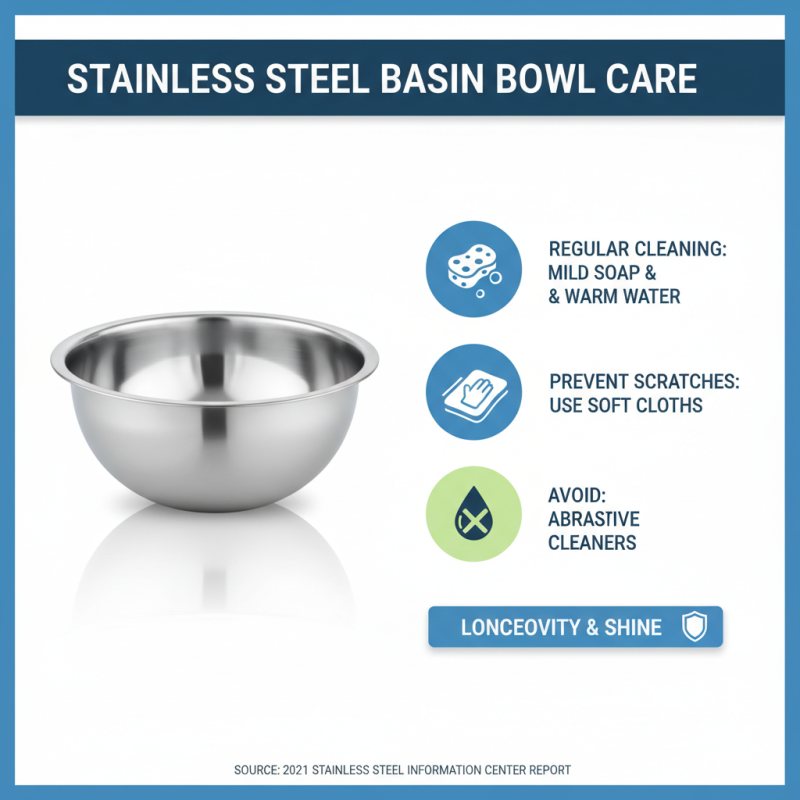
When choosing a stainless steel basin bowl, understanding the maintenance and care requirements is crucial for ensuring its longevity. Stainless steel, known for its durability and resistance to rust and corrosion, still requires proper care to maintain its appearance and functionality. A 2021 report from the Stainless Steel Information Center highlighted that regular cleaning with non-abrasive solutions can help prevent the accumulation of stains and build-up, preserving the shiny finish that stainless steel is known for. Utilizing mild detergents mixed with warm water and a soft cloth can effectively remove fingerprints and smudges without scratching the surface.
In terms of long-term care, it's also important to consider the impact of food acids and certain chemicals that may affect the bowl’s surface. For instance, prolonged exposure to salt or acidic foods can lead to pitting, as indicated in an industry study published by the International Stainless Steel Forum in 2020. To combat this, immediate washing after use and avoiding harsh cleaners can significantly extend the life of stainless steel products. Additionally, using a proper drying method, such as air drying or soft towel drying, prevents water spots and maintains the bowl's aesthetic appeal. By understanding these maintenance requirements, users can enjoy the benefits of their stainless steel basin bowl for many years.