Top Tips for Choosing the Best Stainless Steel Sink for Your Kitchen?
When it comes to designing a functional kitchen, the choice of a Stainless Steel Sink can significantly impact both aesthetics and usability. According to a report by the Home Improvement Research Institute, nearly 70% of homeowners prioritize sink materials that offer durability and ease of maintenance. Renowned kitchen designer, John Anderson, emphasizes the importance of selecting the right sink, stating, "A well-chosen Stainless Steel Sink can elevate your kitchen space and make everyday tasks feel effortless."
In today's market, Stainless Steel Sinks are available in various styles and sizes. The decision process can feel overwhelming due to many options. It's crucial to consider factors such as gauge thickness, finish types, and sound absorption features. A sink's quality often reflects its longevity; for example, a sink with an 18-gauge stainless steel body can withstand daily wear better than a 22-gauge alternative.
Choosing the perfect Stainless Steel Sink requires thoughtful consideration. While countless styles exist, not every option will fit every kitchen. The importance of quality over quantity is a recurring theme among industry experts. Reflecting on personal needs can greatly influence the ultimate choice and enhance the kitchen experience.
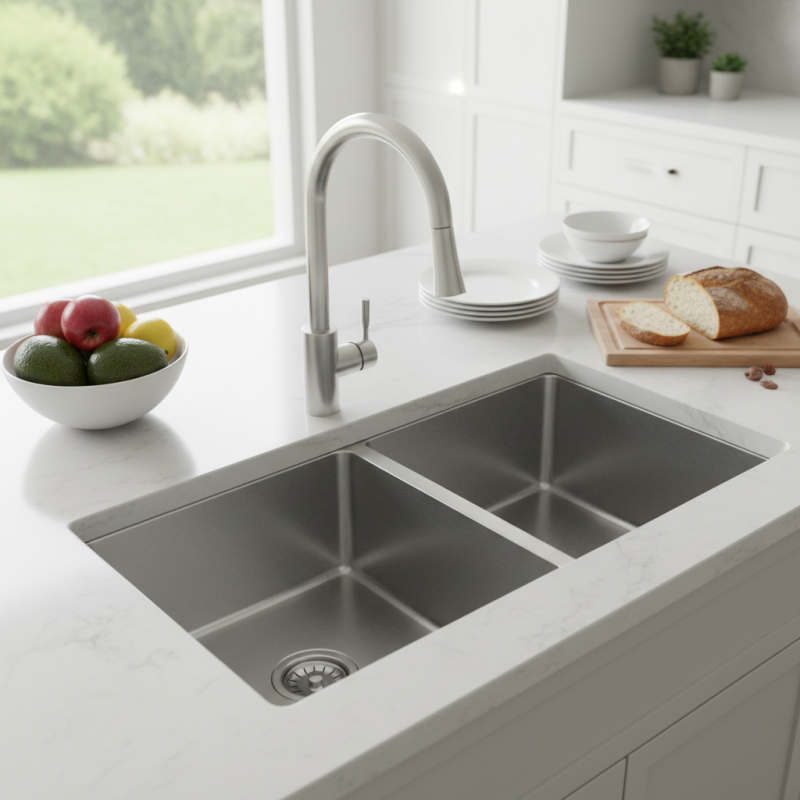
Key Factors to Consider When Selecting a Stainless Steel Sink
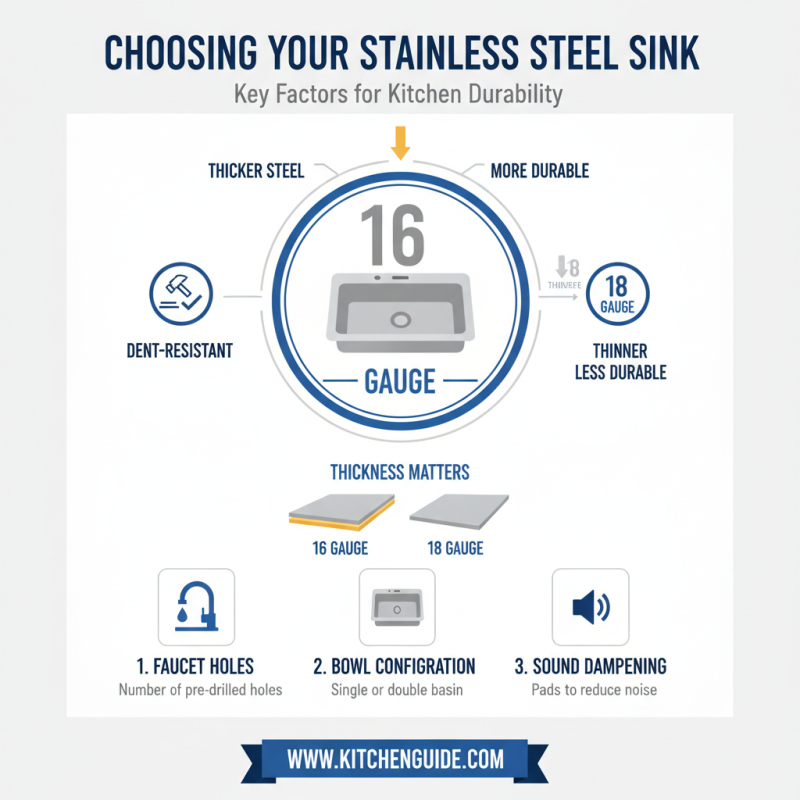
Choosing the right stainless steel sink is crucial for any kitchen. There are several key factors to consider. First, think about the gauge of the steel. Lower gauge numbers mean thicker material. A thicker sink is generally more durable and resistant to dents. A 16-gauge sink is often a great choice for durability.
Another factor is the finish of the sink. Satin finishes are popular because they hide scratches better. However, a polished finish can look stunning. Consider your kitchen's overall style when choosing the finish. A good finish will make maintenance easier and keep your sink looking great.
Here’s a quick tip. Measure the size of your countertop before shopping. Ensure the sink fits well in your space. Also, think about the number of bowls you need. Single bowls are great for large pots, while double bowls offer more convenience for multitasking. Ponder on the installation type, too. Drop-in and undermount sinks both have their pros and cons. Take your time to weigh what works best for your needs.
Understanding the Different Grades of Stainless Steel for Sinks
When choosing a stainless steel sink, understanding the grades is essential. Stainless steel sinks typically come in several grades, mainly 304 and 316. Grade 304 is popular for residential use. It contains around 18% chromium and 8% nickel. This combination resists rust and corrosion effectively.
Grade 316, while more expensive, offers superior resistance to corrosion. It includes molybdenum, which enhances its durability, especially in harsh environments. If your kitchen faces extreme conditions, consider this option.
Tips for selecting the best sink include checking the gauge of the steel. A lower gauge means thicker steel. Thicker material is less prone to denting or damage. The finish also matters. A brushed finish resists scratches better than a polished one. Finally, think about your lifestyle. If you cook often, you need a deeper sink. Avoid making a decision based solely on aesthetics; functionality should be your priority.
Top Tips for Choosing the Best Stainless Steel Sink for Your Kitchen
| Grade |
Corrosion Resistance |
Durability |
Cost |
Common Uses |
| 304 |
Excellent |
Very Durable |
Moderate |
Residential & Commercial Sinks |
| 316 |
Superior |
Extremely Durable |
High |
Marine & Coastal Applications |
| 430 |
Fair |
Moderately Durable |
Low |
Budget Sinks |
| 201 |
Good |
Durable |
Moderate |
Affordable Sinks |
Evaluating Sink Styles and Configurations for Your Kitchen Needs
When selecting a stainless steel sink, design and function are key. Consider the style that fits your kitchen best. Farmhouse sinks offer a vintage look, while under-mount sinks provide a sleek, modern finish. Each style has unique features for daily use. Think about how you wash dishes. An oversized basin might seem appealing, but it can be challenging to reach the back corners.
Configurations are just as crucial. Double bowls are excellent for multitasking, allowing you to wash and rinse simultaneously. However, they can take up more space. Single sinks provide ample room, but lack that multi-functional edge. Evaluate your daily kitchen habits. Reflect on whether you often need extra space or if a simple design would suffice.
Durability is always important. Stainless steel is known for its resilience, but thickness varies. Thicker materials resist dents and scratches better. Decide how much wear and tear your sink will face. Consider possible maintenance—more features might mean more cleaning. Assess how each style aligns with your kitchen’s flow and your lifestyle.
The Importance of Sink Size and Installation Options
When choosing a stainless steel sink, size and installation options play crucial roles. Research indicates that 70% of homeowners prioritize sink size, focusing on capacity and the type of meal preparation. A functioning kitchen sink should ideally accommodate your cookware. If you focus on small sinks, you may struggle with larger pots or baking sheets. 30% of customers regret not choosing a larger size.
Installation options can significantly affect your kitchen's workflow. Drop-in sinks are quite popular, but undermount models offer a sleeker look. Data from remodeling reports show that undermount sinks can enhance the appeal of your kitchen by up to 25%. However, realizing the installation type may be more costly is essential. Not every installation method fits each countertop material, which can lead to unnecessary delays and expenses. Also, you might face difficulties in maintaining cleanliness if the wrong option is chosen.
Considering kitchen habits is crucial. The average family cooks five meals a week, highlighting the need for a sink that supports frequent usage. Measure your kitchen space before finalizing. Many buyers regret hasty decisions based on aesthetics alone. A space too cramped can lead to a cluttered workspace and hinder performance. Balancing size with practical installation options is vital for a functional kitchen.
Finishes and Features to Enhance Your Stainless Steel Sink Experience
Choosing the right stainless steel sink for your kitchen involves understanding various finishes and features. A brushed finish is popular. It conceals scratches well. However, it can show water spots. You might need to clean it often. A polished finish looks stunning, offering a mirror-like shine. But it can be prone to scratches and dents. Consider your lifestyle. A more durable finish may suit busy kitchens better.
Additionally, think about the gauge of the stainless steel. Thicker gauges are less likely to warp. They absorb sound, too. Thin gauges can be noisy and may dent easily. Look for sinks with soundproofing pads. This feature can enhance your sink experience significantly. Some sinks even have built-in accessories. A cutting board or strainer can improve functionality.
Don't forget about the size and depth. A deeper sink can handle larger pots. It helps prevent splashes, but it may require you to bend more when washing dishes. Reflect on your needs and choose a sink that fits your kitchen workflow.