Ultimate Tips for Choosing the Best Stainless Steel Dining Plate?
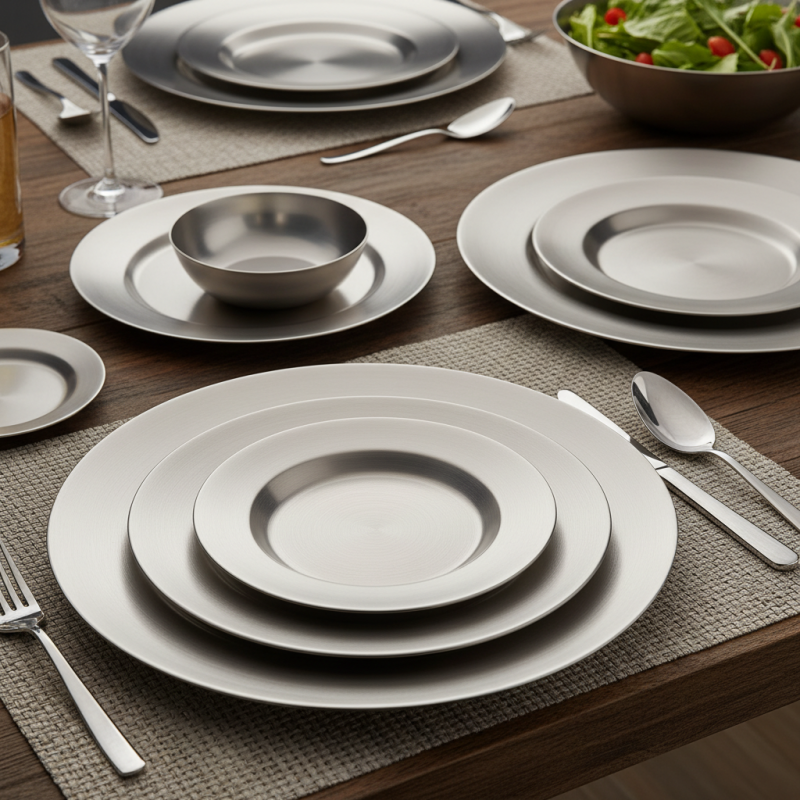
Choosing the right Stainless Steel Dining Plate is essential for your dining experience. These plates offer durability and style, making them a popular choice. But not all stainless steel plates are created equal. Some may scratch easily, while others might not maintain their shine.
When selecting a stainless steel dining plate, consider the size and design. A plate that is too small can limit your serving options. One that is too large might overwhelm your table setting. Think about what you typically serve. Moreover, the weight of the plate matters. Lightweight plates are easy to handle, but they can feel flimsy.
There are many brands available, which can make the decision challenging. You might find some plates rust after a few uses or lose their luster. It's important to read reviews and gather opinions. Reflect on what you truly need. A perfect plate does not exist, but the right one can elevate your meals.
Factors to Consider When Selecting Stainless Steel Dining Plates
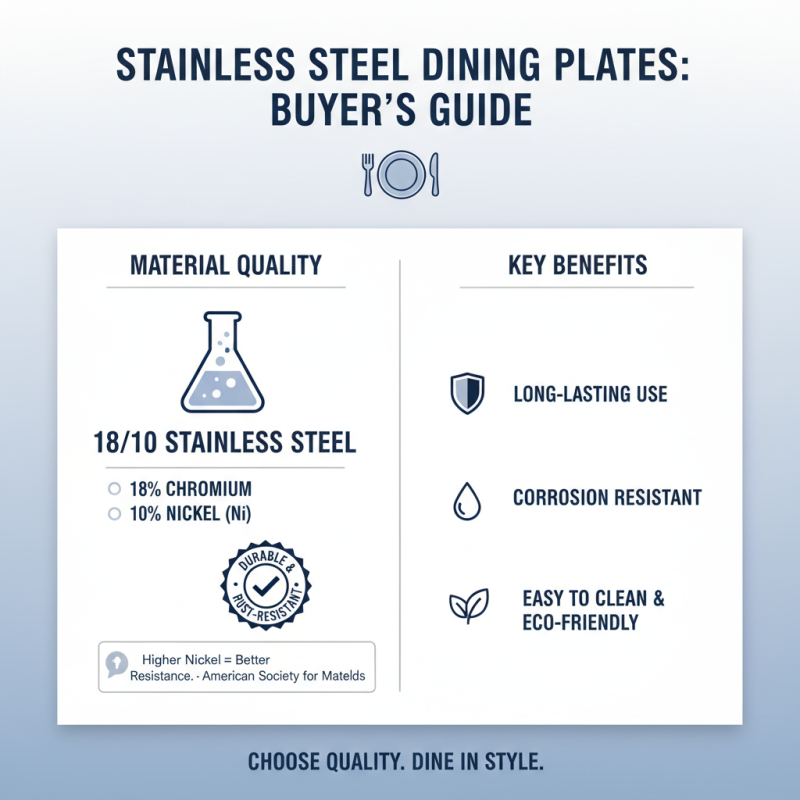
When selecting stainless steel dining plates, there are key factors to consider. Material quality is critical. Look for 18/10 stainless steel, which contains 18% chromium and 10% nickel. This composition enhances durability and prevents rust. A report from the American Society for Metals notes that higher nickel content increases resistance to corrosion. This is essential for long-term use.
Weight and thickness also matter. Thicker plates often provide better heat retention and less warping. According to industry data, plates with a thickness of at least 1.5mm are more resilient. However, heavier plates can be cumbersome for everyday use. A balance between lightness and sturdiness is necessary.
Finally, design and functionality should not be overlooked. Plates with a smooth finish make cleaning easier. Textured plates may hide scratches but can accumulate dirt. Color options are available, but stainless steel's natural shine often enhances presentations. Reflecting on user experiences, many find that their choices affect both aesthetics and practical use over time. Choosing the right plate might not be as straightforward as expected.
Understanding Stainless Steel Grades and Their Impact on Durability
When choosing a stainless steel dining plate, the grade of steel matters. Stainless steel comes in several grades, each impacting durability and performance. The most common grades are 304 and 316. Grade 304 is resistant to rust and corrosion, making it popular for household use. However, it can show scratches and wear over time.
Grade 316, on the other hand, offers superior resistance to harsh environments. This grade contains molybdenum, which enhances its durability against salt and chlorine. Thus, it's ideal for those who live in coastal areas. While 316 plates can be pricier, their longevity often justifies the investment. Balancing cost and quality is essential.
One might wonder if all stainless steel plates are equal. Unfortunately, not all plates labeled as stainless steel are created the same. Thickness varies; some plates feel flimsy and can warp easily. Users may overlook this when choosing. A thicker plate often signifies better quality. Examine the weight before purchasing to avoid regrets later.
The Importance of Plate Size and Design for Dining Experience
When it comes to choosing stainless steel dining plates, size and design play pivotal roles in the overall dining experience. Industry reports indicate that the ideal plate size for adults ranges between 10 to 12 inches in diameter. Plates that are too small may lead to overcrowding, while larger sizes can make meals appear sparse. The right size creates a balance that enhances visual appeal, which can positively affect appetite.
The design of the plate is equally important. Studies suggest that 70% of diners are influenced by the aesthetics of their servingware. Simple, elegant designs often promote a sense of sophistication. However, overly intricate patterns can detract from the meal, overshadowing the food itself. A minimalist approach tends to encourage diners to focus on their culinary experience rather than the dish’s design.
Material also influences the experience, yet it’s not always perfect. Some users report that stainless steel can retain heat, which may lead to discomfort when holding the plates. Additionally, while stainless steel is durable, it can scratch, affecting its visual appeal over time. Finding that perfect balance of size, design, and material can be a continuous journey, highlighting the need for thoughtful selection.
Comparing Coating Options: Finish Types and Their Maintenance Needs
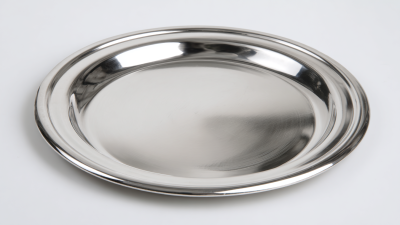
When selecting a stainless steel dining plate, the finish type is crucial. Various coatings affect both appearance and maintenance. Common finishes include mirror, brushed, and matte. A mirror finish shines brightly but shows fingerprints easily. Brushed finishes hide small scratches well, making them popular for everyday use. Matte finishes provide a modern look, but they may require more regular cleaning.
Maintenance is key when caring for these plates. Mirror finishes might seem beautiful but can quickly tarnish with improper care. A quick wipe isn't always enough. Brushed and matte plates may not need high-maintenance, but stains can still appear over time. Using harsh cleaners can ruin the finish. While stainless steel is durable, it’s not indestructible. One careless mishap can leave scratches.
Consider how you intend to use your plates before deciding on a finish. Will they be for casual use or special occasions? Reflect on your lifestyle. Those who frequently host should lean towards more forgiving finishes. However, if aesthetics matter most, a mirror finish may be tempting. In the end, balance beauty with practical care requirements.
Environmental and Health Considerations in Stainless Steel Materials
When choosing stainless steel dining plates, health and environmental factors are crucial. Stainless steel is popular for its durability. It can last for years without degrading. A study shows that stainless steel can reduce food contamination risks by 90% compared to ceramic dishes. This is significant, especially in homes with children or elderly family members.
Furthermore, stainless steel is recyclable. According to industry reports, over 80% of stainless steel is recycled after its lifespan. This process saves energy and reduces the need for raw materials. However, not all manufacturers adhere to strict environmental guidelines. Some may use lower quality, non-recyclable alloys mixed in. It's vital to choose products from reputable sources to ensure sustainability.
Also, there are health concerns regarding certain grades of stainless steel. For instance, low-grade stainless steel may leach nickel or chromium into food, especially acidic items. About 22% of the population has sensitivities to these metals. This can lead to allergic reactions or other health issues. Investing in higher-grade stainless steel plates can mitigate these risks. Always research materials before making a selection.
Comparison of Stainless Steel Grades for Dining Plates