Ultimate Tips for Choosing the Best Stainless Steel Bowl?
When considering a Stainless Steel Bowl, it's essential to know what to look for. According to a recent market report by Grand View Research, the global stainless steel market is expected to reach USD 139.86 billion by 2027. This growth indicates a high demand for kitchenware, including stainless steel bowls.
These bowls are prized for their durability and non-reactive properties. They resist rust and staining, making them ideal for various food types. However, not all stainless steel is created equal. Different grades offer varying levels of quality, which can affect performance and longevity.
While many assume that higher price equates to better quality, this isn't always true. It’s crucial to read reviews and seek authentic feedback rather than relying solely on brand name. A seemingly perfect bowl might not fit a specific cooking style or storage requirement. Knowing the right features can significantly impact your experience in the kitchen.
Understanding Different Types of Stainless Steel Bowls: A Comparison
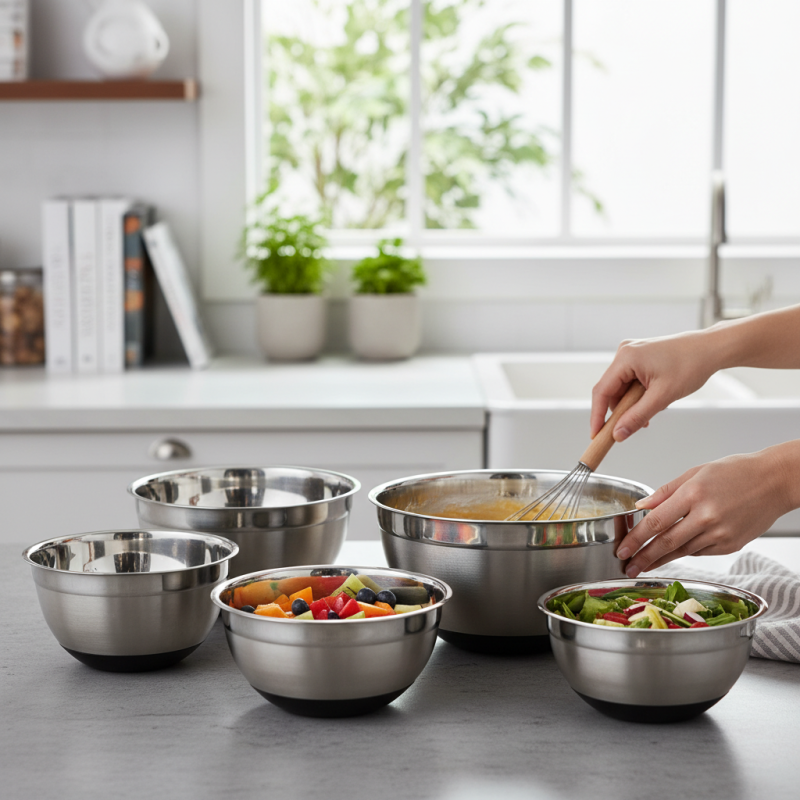
When selecting a stainless steel bowl, understanding the types available is essential. There are various categories of stainless steel bowls, including mixing bowls, serving bowls, and nesting bowls. Each type comes with its unique features, which can impact your cooking and serving experiences.
Nesting bowls are fantastic for saving space. They stack neatly, making storage easier. However, be wary of their sizes. Sometimes, bowls may not fit in your cabinet. Mixing bowls often come with lids, adding versatility. They are convenient for storing leftovers but may not offer the best sealing. This can lead to spills if not careful.
When choosing, consider materials. Some bowls use thicker steel for better durability, while others may feel lighter. Heavier bowls can be more stable when whisking or mixing. Tips to remember: always check the weight. A good bowl should feel sturdy yet comfortable in your hands. Balancing usability and functionality is key to your decision.
Comparison of Different Types of Stainless Steel Bowls
Key Factors to Consider When Choosing a Stainless Steel Bowl
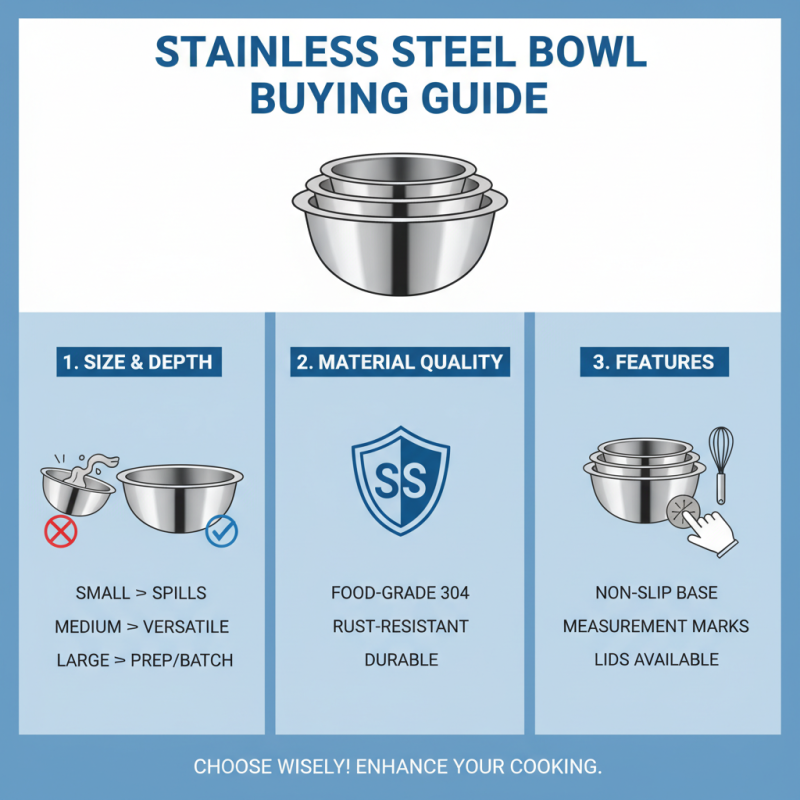
When selecting a stainless steel bowl, several key factors can make all the difference. Consider the size and depth. A bowl that is too small can lead to messy spills. On the other hand, an overly large bowl can be cumbersome to handle. Think about your typical cooking needs. A medium-sized bowl is versatile for mixing, but a large one may be better for food prep.
The quality of stainless steel is crucial. Look for bowls made from high-grade stainless steel. It should be durable and resistant to rust. Check the thickness as well; thinner bowls can warp easily. The finish matters, too. A polished surface is easier to clean but may show fingerprints. A brushed finish, while practical, can sometimes hold onto stains.
Weight is another consideration. A lightweight bowl can be easier to maneuver, but it might slide around. Balance is key here. Some bowls may not stack well, taking up too much space. It’s important to reflect on how you’ll store them. Lastly, consider the edge of the bowl. Smooth edges are safer for mixing, but some may find sharper edges easier for scraping. Each detail plays a role in finding the perfect bowl for your kitchen.
Assessing Bowl Size and Capacity for Your Cooking Needs
When choosing a stainless steel bowl, size matters significantly. Professionals often recommend bowls ranging from 1 to 8 quarts. This range accommodates various cooking tasks. For instance, a 1-quart bowl is perfect for mixing smaller ingredients. A larger 5-quart bowl works well for dough, while an 8-quart size is useful for bulk prep.
Consider your cooking habits before making a decision. According to a recent culinary report, 70% of home cooks prefer bowls that are versatile. They seek sizes that can be used for mixing, marinating, and serving. A common mistake is selecting a bowl that’s too small. This can lead to spills and messy countertops. Yet, larger bowls might take up too much space in a kitchen. Finding the right balance is crucial.
Pay attention to your storage options as well. Sometimes, bigger is not better. A bowl that doesn’t fit in your cabinet? That’s a hassle. Research suggests that an ideal bowl is one you can easily access and store. Reflect on your cooking style. Do you often prepare large meals, or are you more of a solo chef? The best choice depends on personal cooking needs and available kitchen space.
Evaluating Quality: Thickness and Construction of Stainless Steel Bowls
When selecting a stainless steel bowl, pay close attention to its thickness and construction. A thicker bowl tends to offer more durability and resistance to warping. This can be particularly important when mixing heavy ingredients. Thinner bowls may look sleek, but they can dent easily and lack stability during use.
Consider the construction as well. Welded seams can indicate a stronger build than those held together by adhesives. Some bowls may have uneven edges or be poorly finished, which can affect their performance. It's essential to inspect the bowl carefully, checking for any imperfections. A well-constructed bowl should feel substantial in your hands and provide a sense of reliability.
However, it's easy to get caught up in aesthetics and overlook functionality. Ask yourself: Will this bowl serve multiple purposes? Is it designed for easy handling? By reflecting on these questions, you can choose a bowl that truly meets your cooking needs. Avoid rushing the decision; take the time to weigh the pros and cons of each option.
Exploring Brand Reputation and Customer Reviews for Best Options
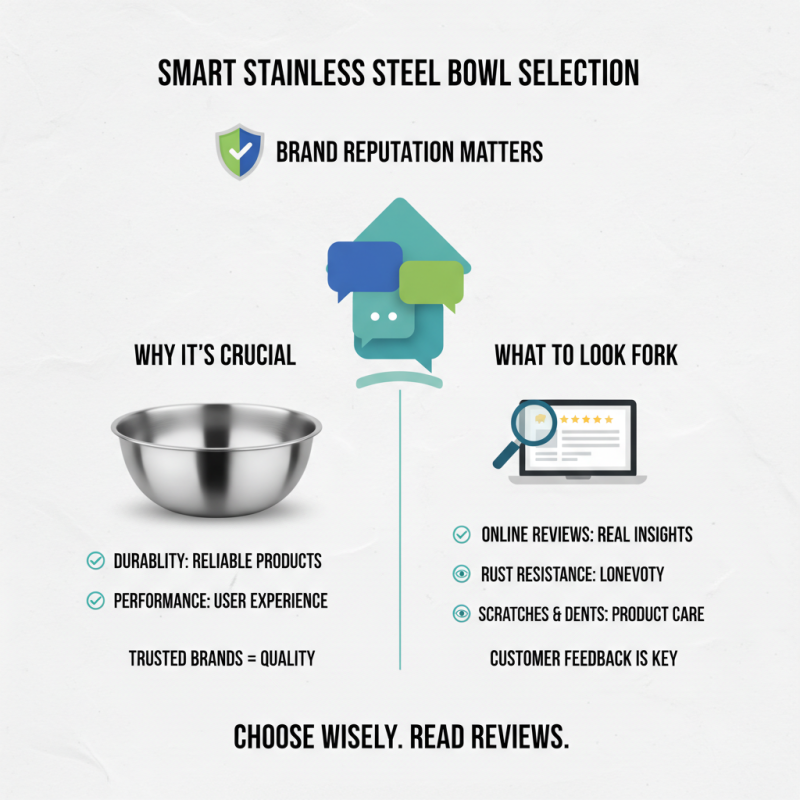
When selecting a stainless steel bowl, brand reputation plays a vital role. Customers often rely on experiences shared by others. A well-reviewed brand tends to have durable products. Checking online reviews offers insights into performance and quality. Users often mention details like resistance to rust. Take time to read comments about scratching or denting.
It's critical to pay attention to negative feedback. Sometimes, a highly rated product can still disappoint. Look for patterns in customer experiences. If multiple people mention poor insulation, you should reconsider that option. Remember, personal preferences vary, though common concerns can guide you.
Consider how the bowl fits your specific needs. For instance, some bowls are heavier, providing stability while mixing. Others may have a shiny finish that attracts fingerprints. Reflect on how often you will use it and in what contexts. Choices should align with your cooking habits and lifestyle.