What is Stainless Steel Tableware and Why Choose It?
Stainless Steel Tableware has gained popularity for its durability and safety. Global data show that the stainless steel tableware market is expected to grow significantly, reaching $6.5 billion by 2025. This growth is driven by an increasing awareness of health and hygiene.
Many consumers now prefer stainless steel over plastic or glass. This material resists bacteria, does not leach harmful chemicals, and can withstand high temperatures. However, some might overlook its potential downsides. For instance, stainless steel can be heavier than alternatives, which might be a concern for some users.
Additionally, while it is generally resistant to corrosion, it may still require proper care to maintain its shine. Even though it’s recyclable, the production process can impact the environment. Choosing stainless steel may be a smart decision, but it’s essential to weigh all factors carefully.
Definition and Composition of Stainless Steel Tableware
Stainless steel tableware is a popular choice for many homes. It consists mainly of iron, carbon, and chromium. The addition of chromium makes the steel resistant to rust and corrosion. This durability is essential for everyday use, especially in kitchens. Stainless steel is non-reactive, meaning it won’t alter the taste of your food. Many people appreciate this quality while cooking and serving.
The typical composition is about 10-30% chromium, which gives it its characteristics. Sometimes, nickel is also included to enhance its luster and toughness. However, this can lead to higher costs. It's important to weigh the benefits against your budget. Some tableware might still contain traces of other metals. This can sometimes cause concerns for those with metal allergies.
Choosing stainless steel tableware can feel overwhelming. There are many different types available, with diverse designs and finishes. Some pieces may scratch easily, requiring careful handling. It’s also essential to consider how to clean and maintain them. While they are generally dishwasher-safe, some prefer hand-washing. Reflecting on how often you'll use the pieces can guide your choices, balancing practicality and aesthetics.
Types of Stainless Steel Used in Tableware Manufacturing
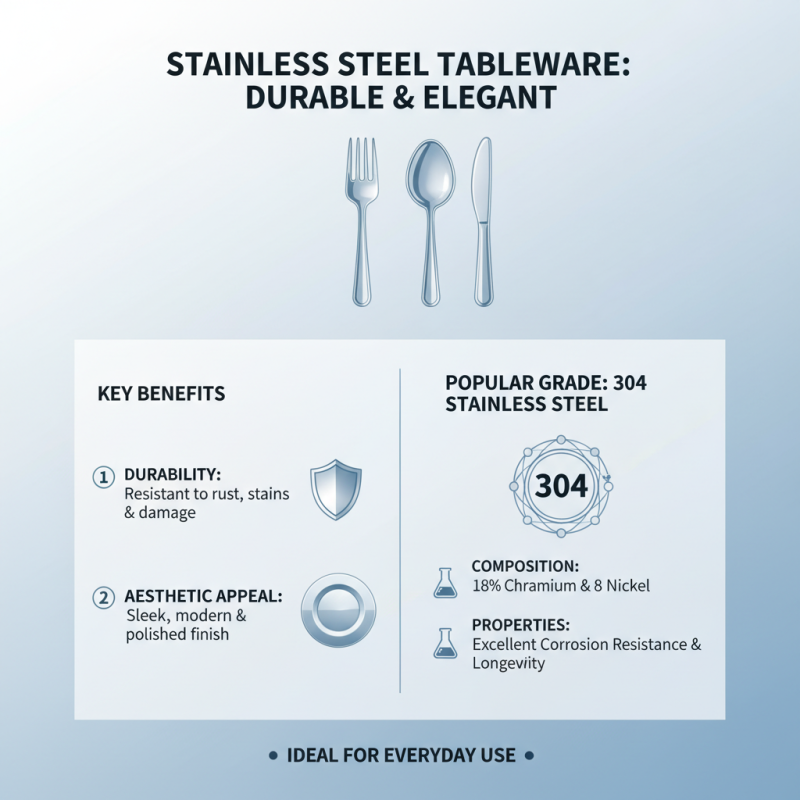
Stainless steel tableware is gaining momentum due to its durability and aesthetic appeal. Various types of stainless steel are used in manufacturing, each with unique properties. For instance, 304 grade stainless steel is highly popular. It contains 18% chromium and 8% nickel. This combination provides excellent corrosion resistance, making it ideal for everyday tableware.
In contrast, 316 grade stainless steel is often used in more specialized tableware. It includes molybdenum, which enhances resistance to pitting corrosion. Reports indicate that about 70% of consumers prefer 304 or 316 grades for their tableware. This preference highlights the critical role of material selection in food safety and longevity.
Manufacturers sometimes overlook the importance of proper polishing. A poorly polished surface may harbor bacteria. In the U.S., over 30% of stainless steel products don’t meet sanitation standards. It's crucial for consumers to be aware of these details. Selecting the right type of stainless steel can significantly impact both safety and usability in kitchenware.
Benefits of Choosing Stainless Steel Tableware
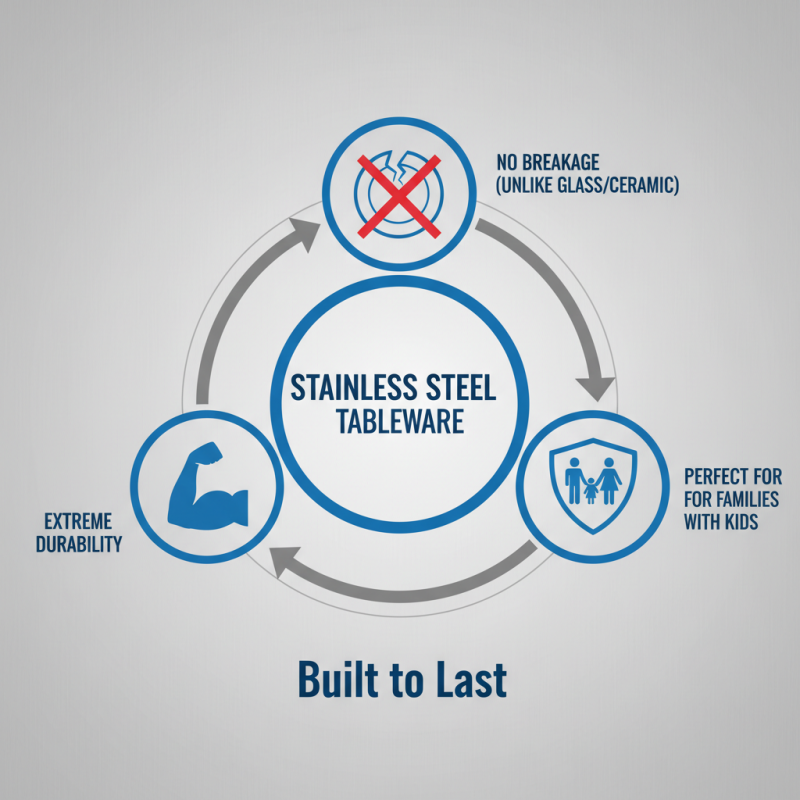
Stainless steel tableware offers a practical choice for daily dining experiences. Its durability sets it apart from other materials. You won't worry about breakage like with glass or ceramic pieces. This toughness makes it ideal for families with young children. Parents can relax, knowing their dinnerware can withstand everyday wear and tear.
Another significant benefit is the hygiene factor. Stainless steel resists bacteria and does not absorb food particles. This makes it easy to clean and maintain. A quick wipe or rinse is usually enough to keep it in good shape. Unlike plastic, which can harbor germs, stainless steel is a safer option for meal preparation and consumption.
The aesthetic appeal is another reason to consider stainless steel tableware. Its sleek, modern look can enhance any dining setting. However, it's essential to note that not all stainless steel is the same. Some pieces may scratch or lose their shine over time. Reflecting on these imperfections can help you choose better-quality options. Overall, stainless steel tableware combines functionality and style for everyday use.
Care and Maintenance for Stainless Steel Tableware
When it comes to stainless steel tableware, proper care and maintenance are crucial. Stainless steel is known for its durability and resistance to corrosion, but it still requires attention. Studies indicate that nearly 30% of consumers face issues with stains or scratching on their stainless steel items. Regular cleaning is essential to prevent this. A simple wash with mild soap and water can keep it looking new.
Avoid using abrasive sponges or harsh chemicals. These can scratch the surface and destroy its shine. Industry reports suggest that using vinegar or baking soda can effectively remove stubborn stains without damaging the metal. It's also wise to dry the pieces immediately after washing. This prevents water spots, which can accumulate over time.
Storage plays a significant role too. Stacking tableware can lead to scratches. Consider organizing items separately to maintain their condition. It might be tempting to toss everything together, but this can lead to regret later when you notice marks. Keeping stainless steel tableware in its best condition requires some effort, yet the rewards are worth the trouble.
What is Stainless Steel Tableware and Why Choose It? - Care and Maintenance for Stainless Steel Tableware
| Dimension |
Details |
| Material |
18/10 Stainless Steel - High corrosion resistance and durability. |
| Benefits |
Non-reactive, long-lasting, resistant to rust and staining. |
| Uses |
Ideal for kitchen utensils, cutlery, and serving dishes. |
| Care Instructions |
Wash with warm soapy water or in a dishwasher. Avoid abrasive cleaners. |
| Storage Tips |
Store in a dry place to prevent water spots and tarnishing. |
| Health Safety |
Free from harmful chemicals, safe for food contact. |
Comparative Analysis: Stainless Steel vs. Other Materials
When considering tableware options, stainless steel stands out. It offers durability that is hard to match. Unlike ceramic or glass, which can easily chip or break, stainless steel withstands daily wear and tear. This material doesn’t absorb flavors or odors, making it ideal for various foods. Imagine serving a hot curry or a tangy salad. With stainless steel, you’ll experience no lingering tastes from previous meals.
Now, let’s look at plastic tableware. While it may be lightweight, it lacks the robustness of stainless steel. Plastic can warp or scratch over time. It can also leach chemicals into food under high heat. This raises concerns about health and safety. Then there's wooden tableware. It captures a rustic charm but requires significant maintenance. Wood can harbor bacteria if not properly cared for. Stainless steel eliminates these worries, providing a safer and more reliable choice.
Some argue that stainless steel lacks the aesthetic appeal of other materials. Yes, it may seem cold or industrial at first glance. However, its sleek look fits modern kitchens perfectly. The real beauty lies in its versatility and longevity. Reflecting on these details can help us appreciate the practical benefits of stainless steel more deeply, even if our initial impressions vary.