A Stainless Steel Sugar Bowl looks like a small kitchen purchase. Its daily performance can matter more than its appearance. Sugar attracts moisture, clumps quickly, and spills into narrow corners. The right bowl should protect the contents while remaining easy to handle, clean, and refill.
Kitchenware specialist Daniel R. Hayes puts it simply: “A good sugar bowl protects the ingredient without becoming difficult to clean.” That principle guides this buying guide. We will examine steel grade, wall thickness, lid design, capacity, stability, finish, and cleaning needs. These details seem minor. They are not. A loose lid may invite humidity. A thin base may slide across a polished table. A deep bowl may look generous but frustrate anyone using a short spoon.
Quality is not always obvious online. Product photos can hide sharp edges, weak hinges, or fingerprints on a mirror finish. Some descriptions also use vague phrases such as “premium steel.” That wording deserves caution. Look for clear material information, dependable construction, and practical user feedback. Food-contact safety should remain important, too.
There is no perfect choice. A brushed finish may hide marks better, but it may feel less decorative. A larger capacity reduces refills, yet it can occupy valuable counter space. The best Stainless Steel Sugar Bowl fits your habits, kitchen, and cleaning routine. These seven buying tips will help you compare attractive designs with real-world usefulness. Expect a few trade-offs. That is where thoughtful buying begins.
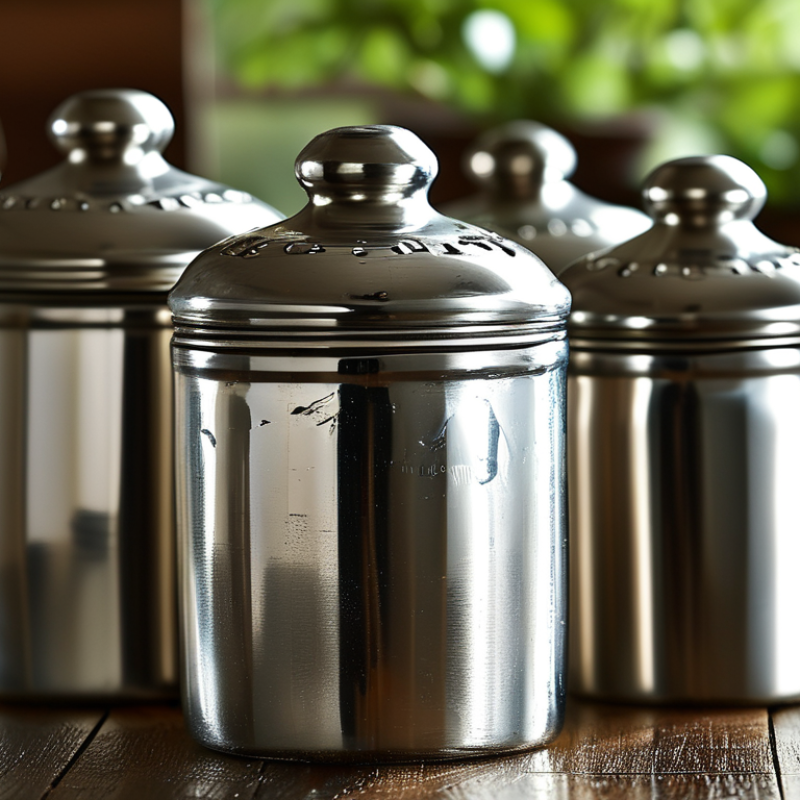
Before choosing a stainless steel sugar bowl, identify where and how it will be used. A small bowl suits a home coffee station, where one or two people add sugar occasionally. A larger bowl works better in a busy kitchen, office, or dining area. Measure the available space. A wide bowl may look attractive, but it can crowd trays and shelves.
Capacity should match your real consumption, not an imagined one. For personal use, 150 to 250 milliliters usually holds enough sugar for several days without becoming bulky. Shared spaces may need 400 to 700 milliliters, especially during breakfast or meetings. Remember that a bowl filled to the rim is awkward to carry and easier to spill. Leave about one-quarter of the space empty. It matters.
I once selected a deep container because it seemed efficient. Reaching the sugar became uncomfortable, and the spoon disappeared inside. A medium-depth bowl with a broad opening proved more practical. Check whether the lid, if included, fits securely and opens smoothly. Choose food-contact stainless steel with clear material information, such as a recognized stainless grade. Smooth interiors are easier to wash and less likely to retain sticky sugar dust. A polished surface shows fingerprints quickly, though. That small compromise is easy to overlook. Test the bowl’s weight, opening, and cleaning access before deciding.
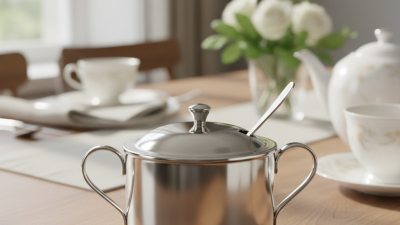
When choosing a stainless steel sugar bowl, start with the grade, not the polished shine. For daily kitchen use, 304 stainless steel is a practical benchmark because it resists moisture, food acids, and ordinary staining. 316 offers stronger resistance in salty or coastal environments, but it may cost more than a sugar bowl needs. Ask for the grade specification, preferably in product details or test documentation. Vague terms such as “premium steel” are not enough. A magnet test can offer clues, but it cannot reliably identify the grade.
Thickness affects stability more than most shoppers expect. A thin bowl can flex under one hand and may dent when dropped beside a sink. Look for a firm rim, a steady base, and metal that does not feel like foil. Exact thickness is useful when provided, yet construction quality also matters.
Welds, seams, and the lid hinge deserve a close look. I once trusted a heavy-looking bowl with a weak seam; its finish stayed bright, but the lid became loose. Weight alone misled me.
Rust resistance depends on care as well as steel grade. Dry the bowl after washing, especially around the rim and hinge. Avoid chlorine-based cleaners, steel wool, and trapped sugar water. Tiny orange marks may indicate contamination from another metal, not immediate failure, but they still need attention. Inspect the surface in daylight. If the seller gives no grade, thickness, or care guidance, pause before buying. A little uncertainty is acceptable; unexplained uncertainty is not.
A stainless steel sugar bowl should feel steady before you inspect its finish. In daily use, the lid matters more than a polished surface. Choose a lid that opens smoothly but does not wobble on its hinge. A tight-fitting cover helps keep sugar dry near a steaming kettle. Avoid lids that slam shut or require two hands. Small details matter.
Inspect the spoon with the bowl open. Its handle should remain above the sugar, not disappear into the pile. A curved rest or attached holder keeps the spoon from touching the counter. Select a spoon deep enough for a consistent serving, but not so large that it scrapes the rim. I have found that very short handles look neat but feel awkward during busy breakfasts. Test the grip if possible.
The seal and dispensing opening deserve careful attention. A removable food-contact gasket is easier to wash and inspect. However, a sealed design can retain moisture when it is not dried properly. Think about cleaning, not just freshness. For a flip-top dispenser, check whether the opening releases a controlled amount without clogging. A wide opening may pour too quickly, while a narrow one can bridge with damp sugar. Compare the mechanism with your routine, since convenience is easily overestimated in a shop.
7 Stainless Steel Sugar Bowl Buying Tips
A stable sugar bowl should stay still when one hand reaches for the spoon. Look for a wide base, balanced weight, and non-slip feet. A narrow bowl may look elegant, but it can tip beside a busy coffee machine. I once chose a lightweight model, and the first careless elbow sent sugar across the counter. That was a useful mistake. A fitted lid also helps prevent moisture, dust, and nearby food odors from reaching the sugar.
Cleaning needs deserve equal attention. Choose a smooth interior with few seams, tight corners, or decorative grooves. Sugar crystals hide in those spaces and become sticky after contact with moisture. A removable lid and spoon make daily washing easier. Check whether the manufacturer allows dishwasher cleaning, because heat and detergents may affect coatings, seals, or plastic parts. Wash the bowl promptly after spills, then dry it fully. Do not use harsh abrasives that can scratch the surface.
Food safety depends on more than a shiny finish. Select stainless steel intended for food contact, with clear material information and care instructions. Corrosion resistance matters, especially in humid kitchens. Avoid bowls with rust spots, peeling coatings, or damaged soldered joints. A reputable seller should provide traceable product details and relevant food-contact compliance information. Not every stainless steel bowl performs identically. The grade, construction, and maintenance all matter. I would also inspect the spoon before purchase; a rough edge can collect residue and make cleaning less reliable.
The chart uses a practical 1–5 evaluation scale, where higher scores indicate a more favorable feature for everyday use. Stability focuses on tipping and sliding resistance, cleaning reflects the likelihood of easy maintenance, and food safety considers hygienic construction and suitable food-contact stainless steel. Check the product specifications for the exact steel grade and dishwasher guidance.
7 Stainless Steel Sugar Bowl Buying Tips
A stainless steel sugar bowl should match your table without becoming its main attraction. Brushed steel hides fingerprints, while a mirror finish reflects more light and needs frequent polishing. Check the bowl’s footprint beside your kettle and cups. A compact shape saves space, but an opening that is too narrow makes refilling awkward. Look for a stable base, a comfortable knob, and a lid that closes without scraping. I have handled lightweight bowls that looked elegant but slid across the table during use. That small flaw became irritating quickly.
Price should reflect construction, not decoration alone. Thicker steel usually feels steadier and resists dents better, though it can increase the cost. Inspect the rim and hinge carefully. Uneven edges may suggest rushed finishing. Very low prices can be tempting. They may also signal thin metal or weak fittings. Warranty terms deserve equal attention. Confirm how long coverage lasts, which parts are included, and whether proof of purchase is required. A warranty that excludes the lid or hinge may offer limited practical protection.
Overall value depends on daily performance. Consider whether the bowl resists stains, cleans easily, and holds enough sugar for your household. Dishwasher guidance matters, even when stainless steel appears durable. My own buying mistake was choosing appearance over capacity; the bowl needed refilling several times during guests’ visits. I would now compare weight, cleaning instructions, warranty coverage, and long-term usability before paying more. Sometimes, simple wins.
| Buying Tip | What to Assess | Practical Standard | Potential Warning Sign | Effect on Overall Value |
|---|---|---|---|---|
| 1. Check the Stainless Steel Grade | Look for clearly stated food-contact stainless steel specifications and resistance to rust, staining, and corrosion. | Common food-grade choices include 304 stainless steel; 316 offers greater resistance in more corrosive environments but may cost more. | The listing says only “metal” or “stainless finish” without identifying the material. | A verified grade can improve durability, hygiene, and long-term replacement value. |
| 2. Match the Capacity to Your Use | Consider whether the bowl is for a dining table, coffee station, buffet, or occasional entertaining. | A compact bowl suits small households; a larger bowl is more practical for frequent serving or shared spaces. | The product gives external dimensions but does not state usable capacity or opening diameter. | The right size reduces refilling and storage problems, delivering better everyday convenience. |
| 3. Evaluate the Style and Finish | Compare polished, brushed, matte, or decorative finishes with the surrounding tableware and kitchen décor. | Brushed and matte finishes generally make fingerprints and light surface marks less noticeable than mirror-polished surfaces. | Uneven polishing, sharp decorative edges, visible weld marks, or inconsistent coloring. | A suitable finish improves visual appeal while reducing the likelihood of early replacement for cosmetic reasons. |
| 4. Inspect the Lid and Dispensing Design | Check whether the lid fits securely and whether the opening allows easy access without exposing the entire contents. | A stable lid, smooth hinge or lift mechanism, and a wide enough opening make filling and cleaning easier. | A loose lid, difficult-to-clean crevice, or opening too narrow for a standard spoon. | Good usability supports frequent use and helps protect sugar from dust and household moisture. |
| 5. Prioritize Stability and Safe Handling | Examine the base, weight, rim, handles, and overall balance when the bowl is empty or full. | A level non-slip base and rounded rim help prevent sliding, tipping, and uncomfortable handling. | A lightweight body that tips easily, exposed sharp edges, or a base that rocks on a flat surface. | Stable construction lowers the risk of spills, damage, and injury during normal use. |
| 6. Compare Price with Construction Quality | Compare material information, thickness, workmanship, capacity, lid design, and included accessories—not price alone. | A higher price is reasonable when it corresponds to better steel, stronger construction, easier cleaning, or a more useful design. | A premium price based mainly on appearance, with no clear information about material or construction. | Value comes from service life and usability rather than the lowest initial purchase cost. |
| 7. Review Warranty and Care Requirements | Read the warranty period, coverage exclusions, return policy, cleaning instructions, and dishwasher guidance. | Clear written coverage for manufacturing defects and straightforward care instructions indicate better purchase transparency. | No warranty details, unclear return terms, or care instructions that conflict with the product description. | Reliable support can reduce the financial risk of defects and extend the product’s practical lifespan. |
Quick value check: Choose the bowl that offers the best balance of food-safe material, suitable capacity, stable construction, easy maintenance, transparent pricing, and dependable warranty support.