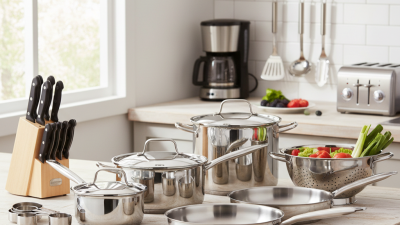
What is Stainless Steel Kitchenware and Why is it Popular?
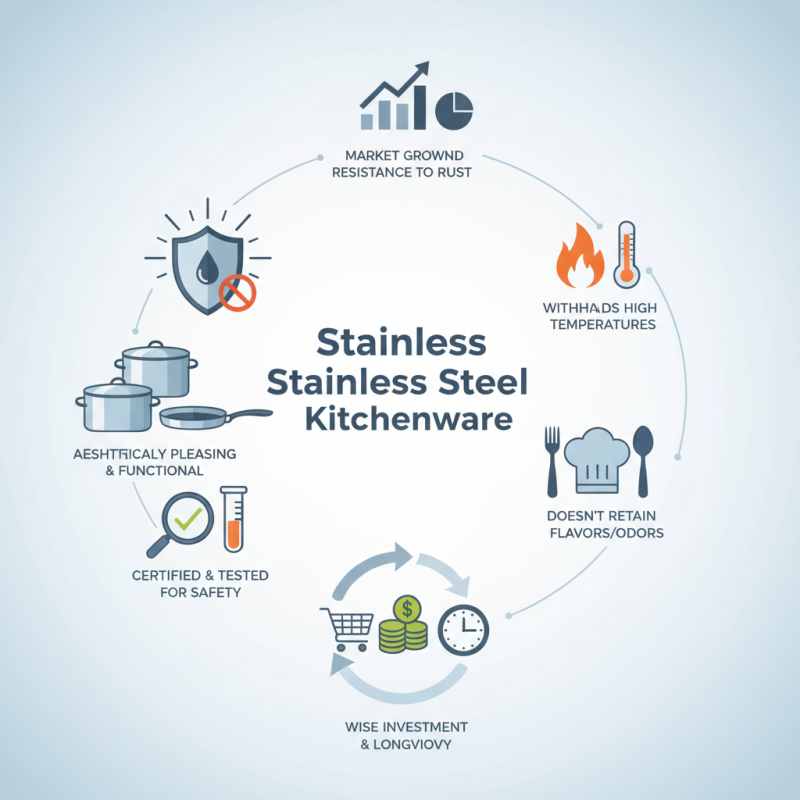
Stainless Steel Kitchenware has gained immense popularity in recent years. This material is known for its durability and resistance to rust and corrosion. According to the Global Stainless Steel Kitchenware Market report, the industry is expected to grow at a CAGR of 5.4% from 2022 to 2027. This growth reflects the increasing consumer preference for quality products.
Many households now prefer Stainless Steel Kitchenware over other materials. It is not only aesthetically pleasing but also functional. Its ability to withstand high temperatures makes it ideal for cooking. Additionally, stainless steel doesn't retain flavors or odors, enhancing the culinary experience. However, it's important to consider that not all stainless steel products are created equal. Some may lack proper quality, leading to potential contamination.
Consumers should seek products that are certified and tested for safety. While Stainless Steel Kitchenware offers many advantages, one must remain vigilant about the quality. The rise in popularity may also lead to an influx of cheap alternatives in the market. Being informed allows one to invest wisely in kitchenware that stands the test of time.
Definition of Stainless Steel Kitchenware and Its Components
Stainless steel kitchenware refers to cooking and serving utensils made from corrosion-resistant steel. This material is composed mainly of iron, chromium, and nickel. These components create a strong, durable product that is less prone to rust. Many households and restaurants prefer this type of kitchenware due to its easy maintenance and longevity.
A report from the International Stainless Steel Forum (ISSF) indicates that the demand for stainless steel kitchenware has increased by 5% annually. Consumers appreciate its resistance to staining and scratching. Also, stainless steel is non-reactive, making it ideal for food preparation. It ensures that flavors stay intact, offering a better cooking experience.
However, not all stainless steel is created equal. Some lower-quality products can contain harmful chemicals. It's essential to research before purchasing, as certain alloys might not be safe for food contact. Quality matters significantly in kitchenware since using subpar materials can lead to health risks. Investing in reliable products often leads to better culinary results.
Properties of Stainless Steel that Make it Ideal for Kitchenware
Stainless steel kitchenware has become a favorite for many home cooks. Its unique properties enhance cooking experiences and ensure durability.
One of the most appealing characteristics is its resistance to rust and corrosion. This makes it ideal for various cooking environments, especially where moisture is prevalent.
Another aspect is its non-reactive nature. Stainless steel does not interact with food. You can cook tomatoes or citrus without worry. This quality helps preserve flavor and nutrition. Plus, stainless steel is easy to clean. A quick wash often suffices, saving time and effort in the kitchen. The polished surface also adds a sleek look to cookware, making it visually appealing.
However, stainless steel can be heavier than other materials. Some might find it cumbersome, especially when lifting large pots. Additionally, it can conduct heat unevenly if not properly made. This might lead to hot spots while cooking.
While these imperfections exist, the overall benefits of stainless steel kitchenware shine through, making it a popular choice among many.
Benefits of Using Stainless Steel Kitchenware in Food Preparation
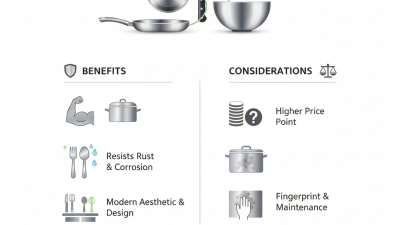
Stainless steel kitchenware has gained immense popularity for various reasons. One of the primary benefits is its durability. Unlike plastic or glass, stainless steel resists dings and scratches. It can withstand high temperatures without warping. This makes it an ideal choice for cooking and baking.
Another advantage is its resistance to rust and corrosion. Stainless steel does not react with acidic foods. This feature ensures that food retains its true flavor. Cleaning stainless steel is simple too. Most kitchenware can be put in the dishwasher. Still, some may require hand washing to maintain shine.
Using stainless steel also promotes hygiene. It’s a non-porous material. Bacteria cannot thrive on its surface. However, if not cleaned properly, residue can build up. Regular maintenance is essential. Investing in high-quality stainless steel ensures it lasts longer. The aesthetics of stainless steel can enhance any kitchen. Its sleek and modern look appeals to many. But it can show fingerprints and smudges easily. Regular upkeep is necessary to keep it looking pristine.
Popular Types of Stainless Steel Kitchenware and Their Uses
Stainless steel kitchenware is highly favored for its durability and ease of maintenance. There are several popular types that serve various purposes.
Cooking pots and pans are often made from stainless steel. They provide excellent heat distribution. This ensures evenly cooked meals. Additionally, they are resistant to rust and corrosion.
Cutlery, like knives and utensils, also benefits from stainless steel. They maintain a sharp edge and resist staining. Serving dishes, mixing bowls, and storage containers are other common items.
These ensure food safety thanks to their non-reactive surfaces.
It’s also easy to clean, making them ideal for both daily use and special occasions.
Tips: Always check for quality. Sometimes, cheaper options may dent or warp easily. Don’t forget to dry your stainless steel items right after washing. This prevents water spots.
For best results, store them properly to avoid scratches and maintain their sleek appearance. While stainless steel is strong, it can still be prone to scratches. Be mindful of how you use and store your kitchenware.
Maintenance and Care Tips for Stainless Steel Kitchenware
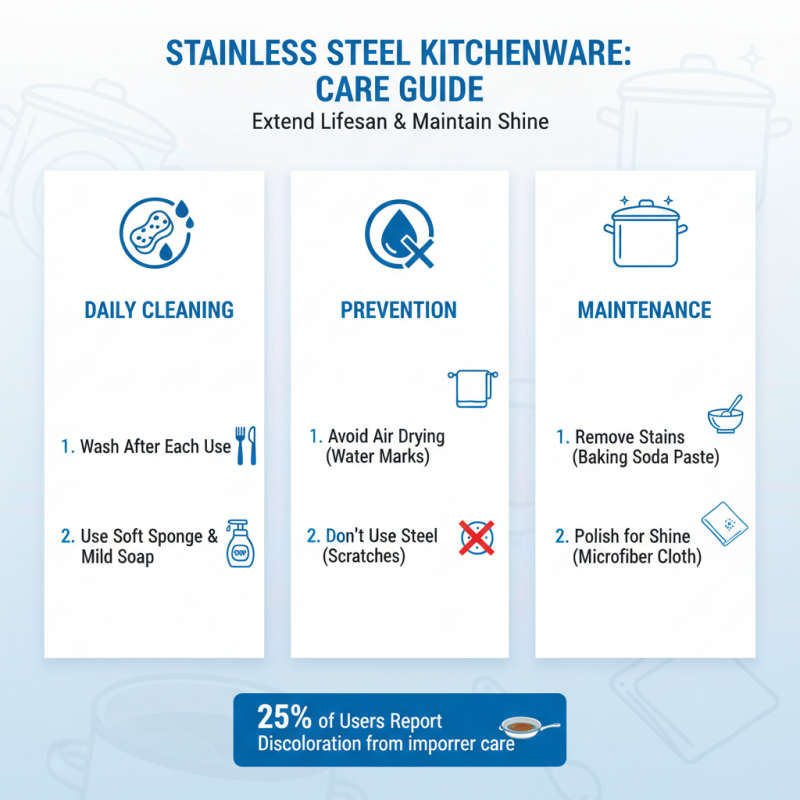
Stainless steel kitchenware has gained immense popularity due to its durability, aesthetic appeal, and corrosion resistance. However, proper maintenance is crucial to extend its lifespan. One common mistake is neglecting to clean the surface after each use. Food residue can lead to staining and tarnishing. According to a recent industry report, about 25% of users reported discoloration due to improper care.
A simple yet effective cleaning method includes using warm, soapy water with a soft cloth. This prevents scratches. For tougher stains, a mixture of baking soda and water works wonders. Just apply, let it sit, and rinse. Remember, harsh chemicals can damage the finish. Many users overlook this, leading to a dull appearance over time.
Additionally, stainless steel is prone to water spots. To prevent this, drying your kitchenware immediately after washing is advisable. While it may seem tedious, it helps in maintaining that shiny look. Interestingly, a survey found that 40% of users admitted to skipping this step. Regular care not only enhances appearance but also retains the quality of stainless steel kitchenware over the years.