What is Stainless Steel Kitchenware and Why You Should Choose It
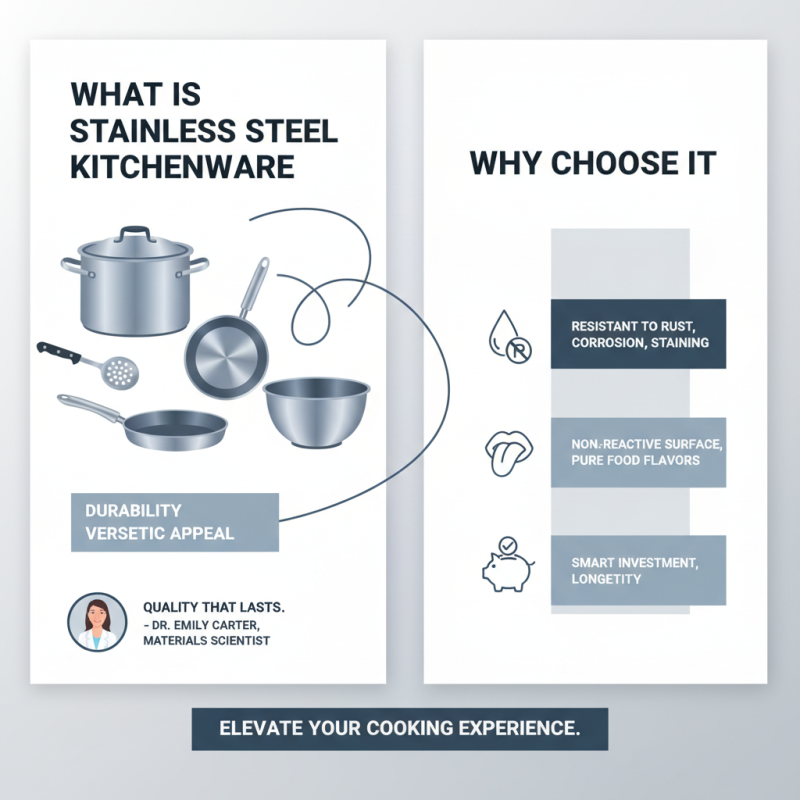
Stainless steel kitchenware has become a staple in modern kitchens due to its durability, versatility, and aesthetic appeal. According to Dr. Emily Carter, a renowned materials scientist specializing in culinary tools, “Choosing stainless steel kitchenware is not just a matter of style; it’s about investing in quality that lasts.” This statement highlights the significance of selecting kitchenware that withstands the test of time while also elevating the cooking experience.
In recent years, the popularity of stainless steel kitchenware has surged as more home cooks and professional chefs alike recognize its myriad benefits. Unlike other materials, stainless steel is resistant to rust, corrosion, and staining, making it an ideal choice for those who value longevity in their kitchen tools. Moreover, the non-reactive surface of stainless steel ensures that food flavors remain pure, further enhancing culinary creativity.
As culinary enthusiasts seek to enhance their kitchen collections, understanding the true value of stainless steel kitchenware is essential. This introduction delves into the attributes that make stainless steel not only a practical choice but also a smart investment for any kitchen. Through expert insights and an exploration of its numerous advantages, the case for stainless steel kitchenware becomes even clearer.
What is Stainless Steel Kitchenware: Definition and Composition
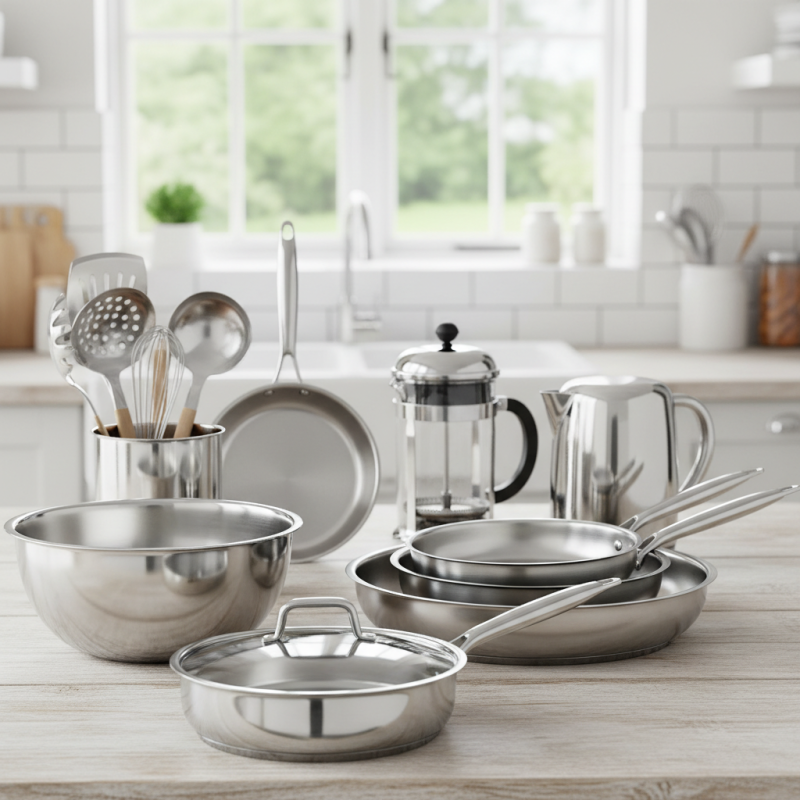
Stainless steel kitchenware refers to utensils, cookware, and various tools crafted from stainless steel, a corrosion-resistant alloy consisting primarily of iron, chromium, and nickel. The addition of chromium is what gives stainless steel its remarkable resistance to rust and staining, making it a popular choice for kitchen applications. The composition can vary, but typically, the chromium content is at least 10.5%, which not only enhances durability but also contributes to the metal's sleek and polished appearance.
The quality of stainless steel can be further classified based on its grades, which indicate the proportions of its alloying elements. For example, 18/8 stainless steel, containing 18% chromium and 8% nickel, is widely recognized for its strength and resistance to oxidation. This makes it ideal for kitchenware that endures frequent use and exposure to moisture and heat. Additionally, stainless steel does not react with food, ensuring that the taste and quality of meals remain uncompromised. Its non-porous surface is easy to clean, making maintenance simple and hygienic, which is crucial in any kitchen environment.
What is Stainless Steel Kitchenware and Why You Should Choose It
| Dimension |
Description |
| Material Type |
Stainless Steel |
| Composition |
Iron, Chromium, Nickel, Molybdenum |
| Corrosion Resistance |
High resistance due to Chromium content |
| Durability |
Long-lasting, resistant to dents and scratches |
| Maintenance |
Easy to clean and maintain |
| Aesthetic Appeal |
Modern and sleek appearance |
| Heat Conductivity |
Good thermal conductivity, especially when alloyed |
| Food Safety |
Non-reactive with foods, safe for cooking |
| Cost |
Generally higher initial cost, but long-term value |
Benefits of Using Stainless Steel Kitchenware in Daily Cooking
Stainless steel kitchenware has gained immense popularity in recent years, primarily due to its remarkable durability and versatile functionality. According to the National Sanitation Foundation (NSF), stainless steel is one of the most hygienic materials for kitchenware, as it is non-porous and resists bacteria, ensuring safer food preparation. This characteristic makes it an ideal choice for both home cooks and professional chefs, addressing the growing consumer demand for safe and reliable kitchen tools.
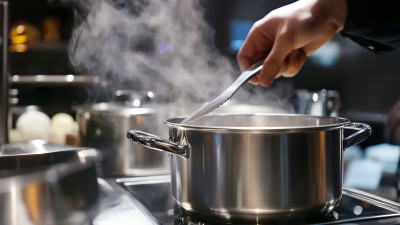
Another significant benefit of stainless steel kitchenware is its exceptional heat retention and distribution properties. Research published by the American Society of Testing and Materials (ASTM) indicates that stainless steel achieves higher cooking efficiency compared to traditional materials, enabling food to be cooked evenly and quickly. Furthermore, stainless steel is resistant to staining and corrosion, with studies showing that high-quality stainless steel can last over 30 years with proper care. This longevity not only reduces waste but also provides a cost-effective solution for consumers seeking investment-worthy kitchen utensils.
Durability and Longevity: How Stainless Steel Outlasts Other Materials
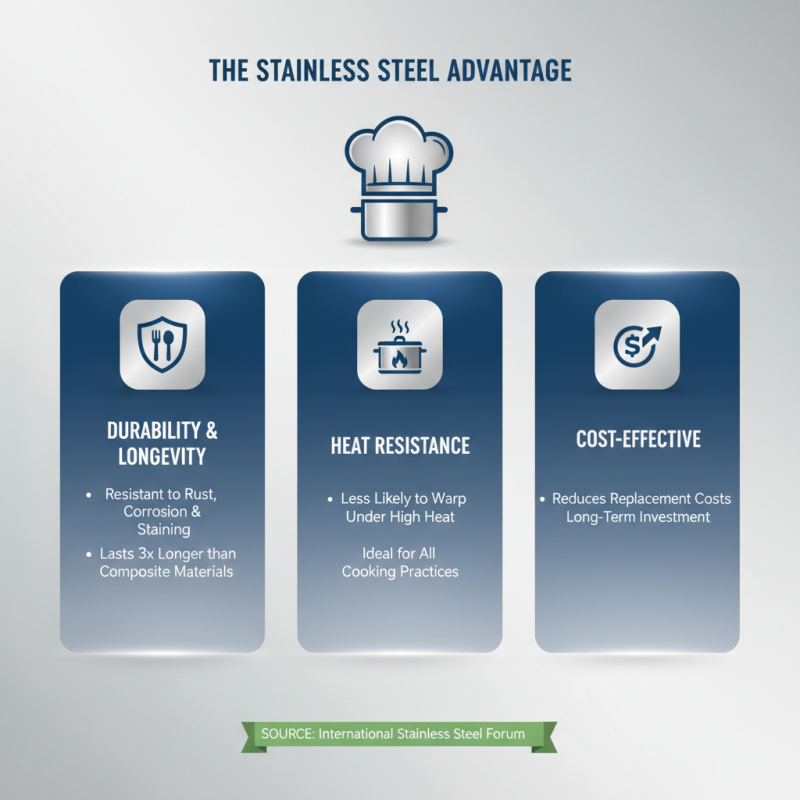
Stainless steel kitchenware has gained a prominent place in both professional kitchens and home cooking spaces due to its remarkable durability and longevity. Unlike materials such as plastic or wood, stainless steel is resistant to rust, corrosion, and staining, making it an optimal choice for culinary practices. According to a report by the International Stainless Steel Forum, stainless steel can last up to three times longer than composite materials and is less likely to warp under high heat, which significantly reduces replacement costs over time.
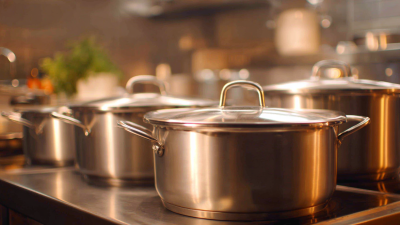
When considering kitchenware, it's essential to look for items that withstand the test of time without compromising on performance. Stainless steel can endure wear and tear, and its resistance to scratching means it maintains its aesthetics even after prolonged use. For instance, many chefs prefer stainless steel pots and pans as they can evenly distribute heat, allowing for better cooking results, which further adds to their longevity.
Tips: When selecting stainless steel kitchenware, check for products that feature a higher nickel content, as they are often more resistant to corrosion. Additionally, opt for tri-ply construction in pots and pans for improved heat distribution and durability. Remember that while stainless steel is low-maintenance, regular cleaning with non-abrasive materials can enhance its lifespan even further. Choosing the right stainless steel kitchenware is not just about immediate needs but also about making a long-term investment in your cooking journey.
Health and Safety: The Non-Reactive Nature of Stainless Steel
Stainless steel kitchenware is a favored choice among health-conscious consumers, particularly due to its non-reactive nature. Unlike many other materials, stainless steel does not leach chemicals or react with acidic or alkaline foods. This characteristic is crucial for maintaining the integrity of food flavors and ensuring that no harmful substances are introduced during cooking or storage. A report from the World Health Organization highlights that materials in contact with food should not contribute any toxins, making stainless steel an ideal option for kitchenware.
Furthermore, stainless steel is incredibly durable and resistant to corrosion, which contributes not only to its longevity but also to its hygienic properties. A study published in the "Journal of Food Protection" found that stainless steel surfaces tend to harbor fewer bacteria compared to other materials, due to their smooth and non-porous finish. This hygiene aspect is particularly important in a kitchen environment, where cross-contamination can lead to foodborne illnesses. With proper maintenance, stainless steel kitchenware can maintain its non-reactive properties and aesthetic appeal for years, ensuring both safety and efficiency in food preparation.
Environmental Impact: Sustainability of Stainless Steel Kitchenware
Stainless steel kitchenware is increasingly recognized for its environmental sustainability, making it a preferable choice for eco-conscious consumers. Unlike plastic or non-stick alternatives, stainless steel is fully recyclable, meaning it can be repurposed indefinitely without degrading its quality. According to a 2022 report from the International Stainless Steel Forum, about 60% of stainless steel produced worldwide comes from recycled materials, significantly reducing the carbon footprint associated with new metal production.
Moreover, stainless steel kitchenware has a longer lifespan, often lasting decades with proper care. A lifecycle assessment conducted by the European Commission indicated that the durability of stainless steel contributes to lower environmental impact over time, as fewer resources are needed to replace it compared to less robust materials. This long-term usability not only conserves resources but also minimizes waste in landfills, further underscoring the material’s sustainability credentials.
Tips: When purchasing stainless steel kitchenware, look for products that indicate they are made from recycled materials. Additionally, ensure proper maintenance, such as avoiding harsh chemicals for cleaning, which can extend the life of your cookware and reduce the need for replacements. Finally, invest in high-quality items to maximize sustainability benefits—they are usually manufactured with a focus on durability and efficiency.