What is Stainless Steel Kitchenware and Why is it Popular?
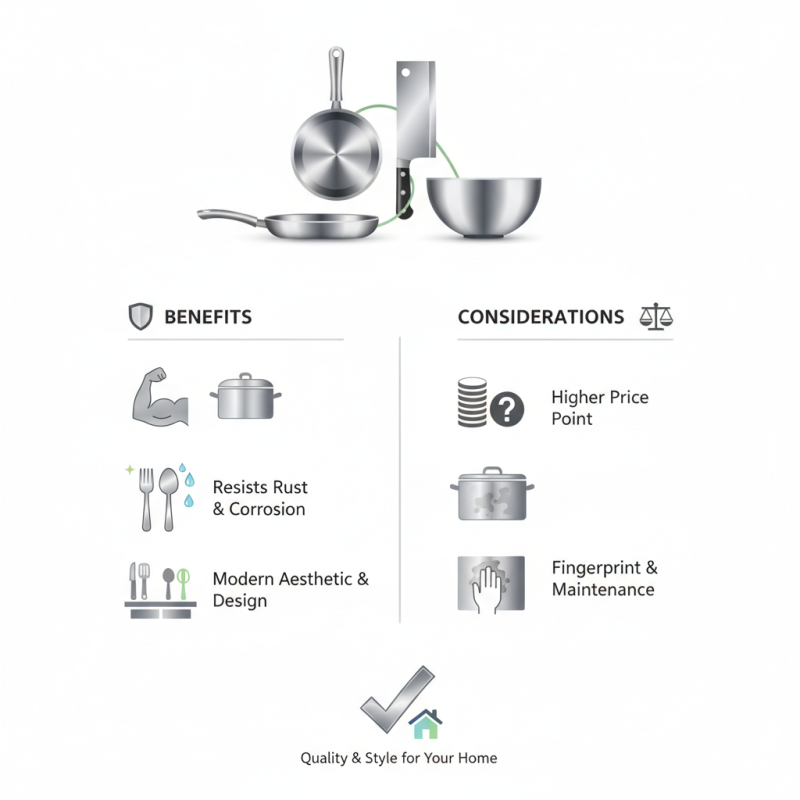
Stainless Steel Kitchenware has become a staple in many households. Its rise in popularity is due to multiple factors. Many people appreciate its durability and sleek design. This material resists rust and corrosion, ensuring longevity.
There are various types of stainless steel kitchenware available. Cookware, cutlery, and storage solutions all fall under this category. Individuals are drawn to its modern aesthetic that fits different kitchen styles. However, some may find the price point higher than alternatives.
It's essential to consider both sides when investing in stainless steel kitchenware. While it offers numerous benefits, some users may struggle with maintenance. Fingerprints can mar its shine, requiring regular cleaning. Overall, stainless steel kitchenware presents a compelling option for those seeking quality and style in their kitchen.
What is Stainless Steel Kitchenware and Its Composition
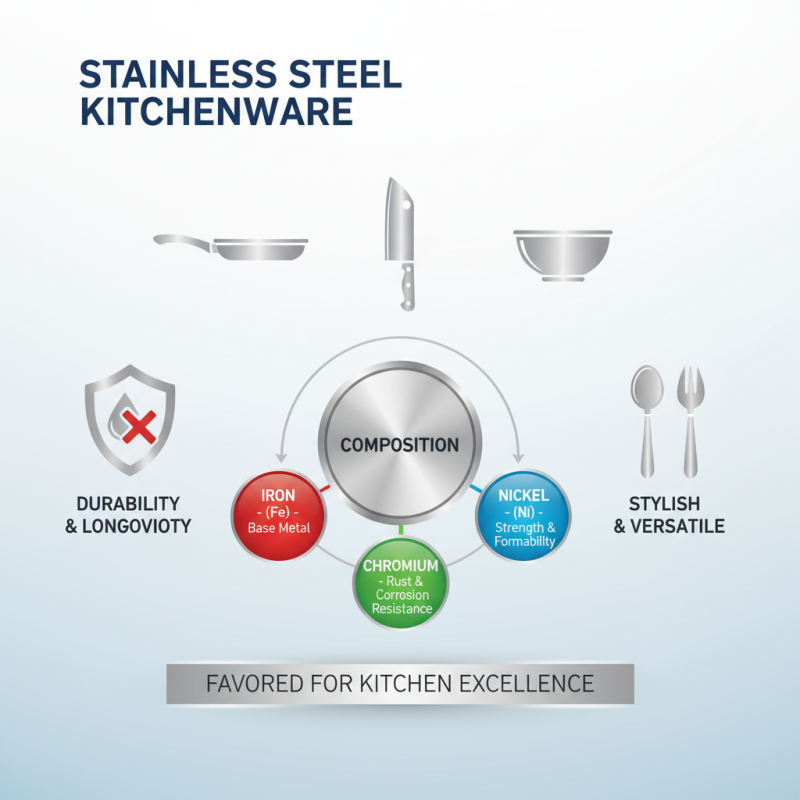
Stainless steel kitchenware is favored for its durability and stylish appearance. This material is primarily composed of iron, chromium, and nickel. The chromium content helps resist rust and corrosion. It creates a protective layer that ensures longevity. Nickel adds to the alloy's strength and improves its formability. This makes stainless steel versatile for various kitchen uses.
Many enjoy stainless steel kitchenware for its aesthetic qualities. Its shiny surface shines brightly, enhancing any kitchen décor. Cookware made of stainless steel is also non-reactive. This means it won't alter the taste of food. However, it can be prone to scratching. Some users might find it difficult to keep clean, especially if food gets stuck. Special care is sometimes needed to maintain its luster.
Another aspect to consider is heat conduction. While stainless steel heats evenly, it can take longer compared to other materials. Users may experience this learning curve with their cooking. There may be frustrations when achieving the perfect sear or sauté. Yet, with practice, many embrace these quirks, finding joy in mastering their stainless steel cookware.
The Manufacturing Process of Stainless Steel Kitchenware
The manufacturing process of stainless steel kitchenware is intricate yet fascinating. It begins with selecting high-quality stainless steel. This alloy, primarily made of iron, chromium, and nickel, offers excellent corrosion resistance. The raw materials are heated in a furnace until they melt. Then, they are poured into molds. The fun part? Watching the molten metal take shape.
Next, the formed pieces undergo a process called cold working. This process strengthens the steel and refines its durability. Many kitchen items, like pots and pans, also undergo polishing. This step enhances the appearance and makes it easier to clean. A shiny finish isn’t just for looks; it helps food glide off smoothly.
Tips: When choosing stainless steel kitchenware, look for items that are thick and heavy. Thin materials may warp over time. Also, consider matte finishes. They hide scratches better than shiny versions. When cleaning, avoid abrasive scrubbers. They can damage the surface.
Despite its strengths, stainless steel can show fingerprints and water spots. It requires maintenance to keep it looking great. Regular cleaning and occasional deep cleaning will help. Be cautious with high heat. Over time, it might lead to discoloration. Rethinking your cleaning routine can improve the lifespan of your kitchenware.
Stainless Steel Kitchenware Popularity Analysis
Key Benefits of Using Stainless Steel in Kitchenware
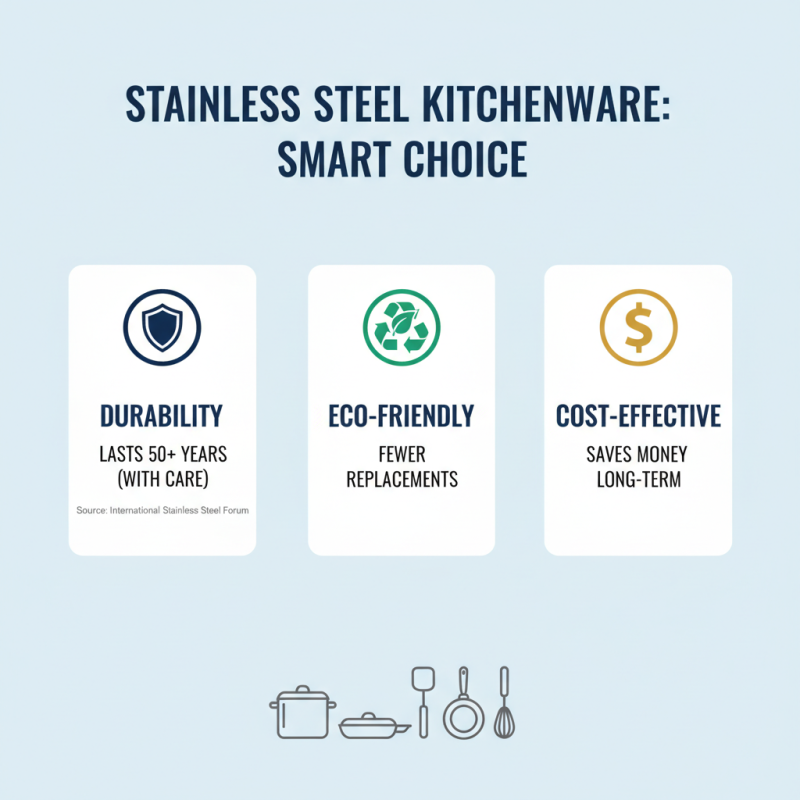
Stainless steel kitchenware has gained immense popularity due to its practicality and aesthetic appeal. One of the biggest advantages is its durability. According to a report from the International Stainless Steel Forum, stainless steel can last more than 50 years with proper care. This longevity means fewer replacements, which is eco-friendly and cost-effective in the long run.
Another key benefit is resistance to rust and corrosion. Unlike other materials, stainless steel does not stain easily. It can withstand heat and is safe for cooking. A study from the American Society for Testing and Materials shows that stainless steel surfaces are less likely to harbor bacteria compared to plastic. This makes it a safer choice for food preparation. However, it’s important to note that scratches can occur, which may create crevices for bacteria.
Stainless steel is also non-reactive, meaning it won’t alter the taste of food. This is crucial for chefs who focus on flavor. Yet, some users find stainless steel harder to clean than non-stick surfaces. Despite this, many agree that the benefits far outweigh the drawbacks. Its sleek design fits well in modern kitchens, enhancing aesthetic appeal while offering functionality.
Market Trends: The Popularity Growth of Stainless Steel Kitchenware
The demand for stainless steel kitchenware has surged over the past few years. According to a recent market report, the global stainless steel kitchenware market is expected to grow at a CAGR of 4.5% from 2021 to 2026. This trend reflects a shift towards more durable and sustainable kitchen solutions. Many consumers favor stainless steel due to its resistance to rust and corrosion. The rise in home cooking during the pandemic has also contributed to this popularity.
Homeowners are increasingly seeking versatile and aesthetically pleasing kitchen items. Stainless steel offers both functionality and style. Data shows that about 70% of consumers consider durability as a key factor in their purchasing decisions. Additionally, stainless steel is easy to clean, which appeals to busy lifestyles. However, some users still worry about the potential for scratching and denting. These concerns indicate that while the popularity is growing, there are areas for improvement in product design and materials.
Sustainability plays a crucial role in today's market. As more consumers prioritize eco-friendly choices, stainless steel stands out. It can be recycled and has a long lifespan. Research indicates that nearly 60% of consumers are willing to pay more for sustainable options. Despite this, consumers are sometimes confused about the materials used. Clear labeling and education from manufacturers can address this issue. Overall, the kitchenware landscape is evolving, and stainless steel is at the forefront of this change.
What is Stainless Steel Kitchenware and Why is it Popular?
| Dimension |
Data |
| Material Properties |
Durable, Resistant to Corrosion |
| Market Growth (2023) |
15% increase year-over-year |
| Consumer Preference |
Popular for Home and Professional Use |
| Sustainability |
100% recyclable |
| Price Range |
$20 - $300 |
| Common Uses |
Cookware, Utensils, Storage Solutions |
| Consumer Age Group |
25-45 years old |
| Top Features |
Non-reactive, Easy to Clean, Aesthetic Appeal |
Comparison of Stainless Steel Kitchenware with Other Materials
Stainless steel kitchenware stands out in modern kitchens. Its durability and resistance to rust make it a favorite. Unlike plastic, stainless steel doesn’t absorb odors or stains. It maintains a shiny appearance even after years of use. This material can withstand high temperatures, making it safe for cooking and baking.
When comparing stainless steel to cast iron, there are notable differences. Cast iron requires seasoning and is heavy, which some find cumbersome. On the other hand, stainless steel is lightweight and easier to handle. Yet, it may heat unevenly compared to cast iron. Many chefs appreciate stainless steel for its simplicity, while others might miss the unique flavor cast iron can impart.
Plastic kitchenware presents a different set of challenges. While it is lightweight, it can warp under heat. Some believe it is convenient, but many are wary of chemicals leaching into food. In contrast, stainless steel is seen as a safer alternative. Still, it can be scratched easily if not cared for properly. Each material has its pros and cons, leading to a range of preferences and choices among home cooks.