What is a Stainless Steel Kettle and Why Choose One?
In today's modern kitchens, a Stainless Steel Kettle stands out for its durability and timeless appeal. Industry expert Sarah Thompson, who has spent over a decade in kitchenware innovations, once said, “A Stainless Steel Kettle combines tradition with efficiency.” This highlights its enduring popularity among consumers.
Stainless steel offers excellent heat conduction. It heats water quickly, making it ideal for tea and coffee lovers. Beyond functionality, the sleek design fits perfectly in any kitchen style. However, not all stainless steel kettles are created equal; quality matters. Some may scuff or stain easily, leaving consumers dissatisfied.
When choosing a Stainless Steel Kettle, consider the size and spout design. A well-designed spout ensures precise pouring, enhancing your brewing experience. While many appreciate the aesthetic allure, it’s essential to reflect on its practicality. Ultimately, balancing style and function can lead to the perfect choice for your daily brewing needs.
What is Stainless Steel and its Properties?
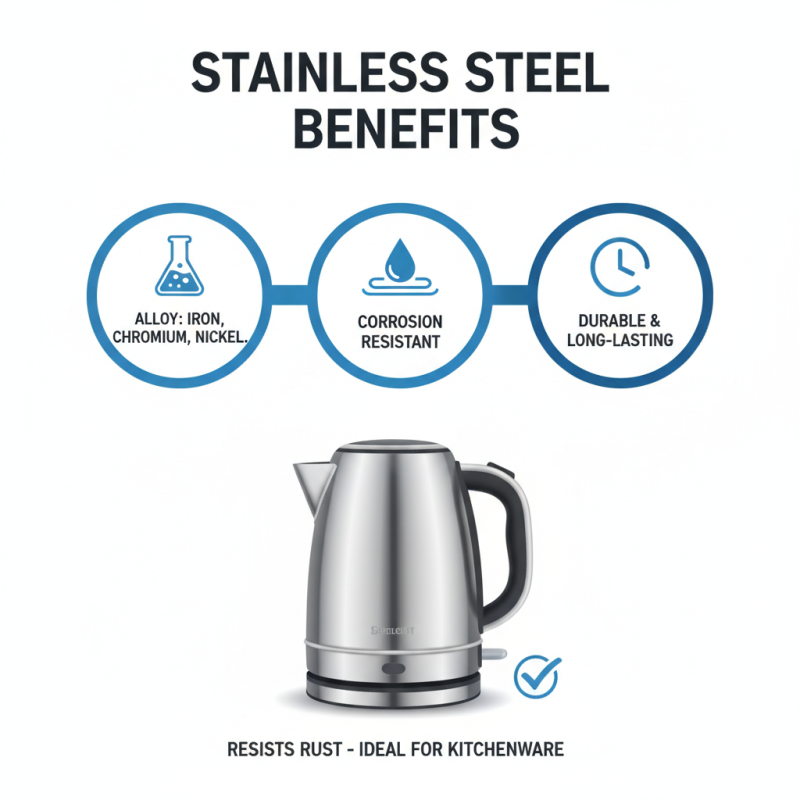
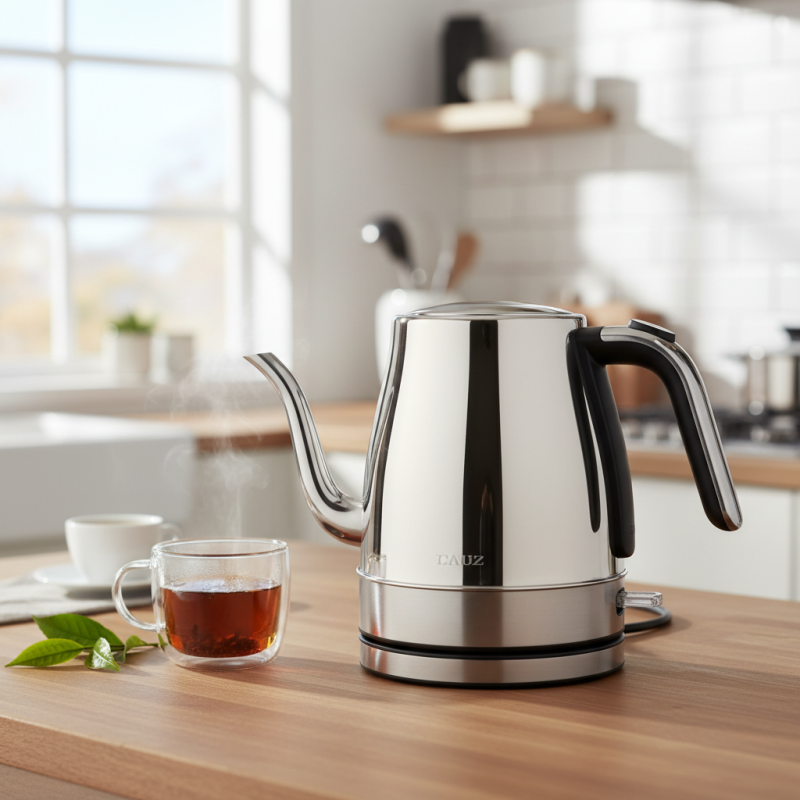
Stainless steel is an alloy primarily made of iron, chromium, and nickel. This unique combination gives it remarkable properties. It resists corrosion, making it ideal for kitchen items. Unlike other metals, it won't easily rust, even when exposed to water. This durability ensures that stainless steel kettles can last for many years with proper care.
Another attractive feature of stainless steel is its heat retention. It heats quickly and evenly, which is essential for boiling water efficiently. This characteristic not only saves time but also energy. Furthermore, stainless steel's non-reactive nature ensures that no unwanted flavors leach into your water. However, it's worth noting that stainless steel kettles can become hot. Care must be taken to avoid burns.
Aesthetically, stainless steel offers a modern look that complements any kitchen décor. Its sleek finish is easy to clean. Yet, it can show fingerprints or water spots, which may require frequent wiping. Some may prefer the warmth of other materials like ceramic or glass, as they can feel more inviting. Therefore, while stainless steel is a practical choice, some may find it lacking warmth or texture in comparison to its counterparts.
Benefits of Using a Stainless Steel Kettle
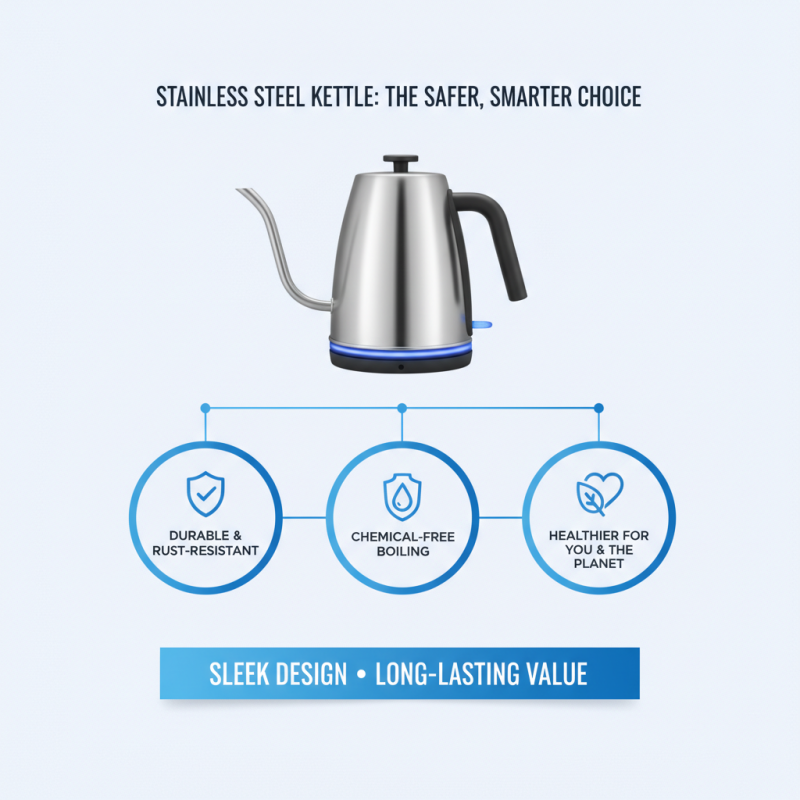
A stainless steel kettle is a popular choice for many households. Its sleek design appeals to the eye. But beyond looks, it offers numerous benefits. Stainless steel is durable and resistant to rust. Unlike plastic, it won’t leach chemicals into your water. This makes it a safer option for boiling.
Using a stainless steel kettle often means faster heating. The material conducts heat efficiently, saving time. Imagine having hot water for tea or coffee within minutes. Additionally, these kettles are easy to clean. A quick wipe-down is usually all it takes. Their shiny finish remains attractive even after heavy use.
Some might find the weight of stainless steel kettles an issue. They can be heavier compared to plastic options. This can be a struggle for some users. Also, they may become too hot to handle. Using a cloth or a mitt becomes necessary. Despite these minor flaws, the overall performance is generally reliable. Choosing a stainless steel kettle can enhance your daily routines.
Comparison of Stainless Steel Kettles with Other Materials
When comparing stainless steel kettles to those made from other materials, several factors come into play. Stainless steel is durable and resistant to rust. It often has a sleek design that matches modern kitchens. However, aluminum kettles may also be lightweight and heat quickly. They can corrode over time, affecting taste. Glass kettles provide a pure view of boiling water, but they can shatter easily. According to a report by the International Journal of Consumer Studies, 75% of consumers prefer stainless steel when it comes to longevity and safety.
Tips: Consider the weight of the kettle. Some people prefer lightweight kettles, while others prefer the heft of stainless steel.
Another consideration is heat retention. Stainless steel kettles often feature insulated designs which keep water warm longer. On the other hand, plastic kettles can leach chemicals when heated, raising health concerns. A study published by the Journal of Food Science found that stainless steel tends to be the safest choice for hot water.
Tips: Regularly check for dents or scratches on your kettle. Damage can affect its performance and hygiene.
Ultimately, choosing the right kettle is subjective. While stainless steel has many advantages, personal preferences and cooking habits will guide your decision. That said, it is wise to weigh each of these aspects carefully.
Comparison of Stainless Steel Kettles with Other Materials
Key Features to Consider When Choosing a Stainless Steel Kettle
When choosing a stainless steel kettle, several key features come into play. First, the material quality is crucial. Look for kettles made from high-grade stainless steel. This ensures durability and resistance to rust. A kettle that dents easily might not be worth the investment.
Consider the kettle's capacity too. A smaller kettle saves space, while a larger one can boil more water at once.
Another aspect to evaluate is the design and usability. A comfortable handle is essential. You want a handle that stays cool during boiling. The spout's design also matters. A well-designed spout prevents spills and allows for precise pouring. Some kettles have a whistle feature. It alerts you when the water reaches a boil. However, not everyone finds this feature necessary.
Lastly, check the heating efficiency. A kettle that heats water quickly is often preferred. Yet, be aware of energy consumption. A kettle that takes longer may save energy, but it can be frustrating when you’re in a hurry. Also, reflect on ease of cleaning. Some stainless steel kettles have hidden elements, which can complicate cleaning. A simple design could ease maintenance and prolong its life.
Maintenance Tips for Enhancing the Longevity of Stainless Steel Kettles
Maintaining a stainless steel kettle is crucial for longevity and performance. Regular care can prevent corrosion and ensure it looks new for years. Here are some essential tips for keeping your kettle in top shape.
Clean your kettle after each use. Hot water and mild soap are effective. Avoid abrasive cleaners. They can scratch the surface. Rinse thoroughly to remove any soap residue. Dry it with a soft cloth. Water spots can be stubborn if left unattended.
Another tip is to avoid high heat. Excessive heat can warp the base. This affects cooking efficiency. Use medium heat for even results. Periodically check for any dents or damages. Address these early to prevent rust from forming.
Store your kettle properly. Keep it in a dry place. This minimizes moisture buildup. If you notice any discoloration, try using a vinegar solution for treatment. Remember to be gentle during cleaning. Over time, even stainless steel can show signs of wear.
What is a Stainless Steel Kettle and Why Choose One? - Maintenance Tips for Enhancing the Longevity of Stainless Steel Kettles
| Feature |
Benefits |
Maintenance Tips |
| Durability |
Resistant to rust and corrosion, ensuring a long lifespan. |
Avoid harsh abrasives; clean with mild soap and soft cloth. |
| Heat Conductivity |
Boils water quickly and evenly. |
Use a burner appropriate for the kettle size to prevent overheating. |
| Safety |
Typically has heat-resistant handles for safe use. |
Check handles for stability; avoid direct flame on non-metal parts. |
| Aesthetic Appeal |
Modern and sleek design that complements kitchen decor. |
Regularly polish to maintain shine and appearance. |
| Non-reactive Surface |
Does not impart flavors or chemicals to the water. |
Avoid leaving water in the kettle for extended periods. |