How to Choose the Best Stainless Steel Dining Plate for Your Needs?
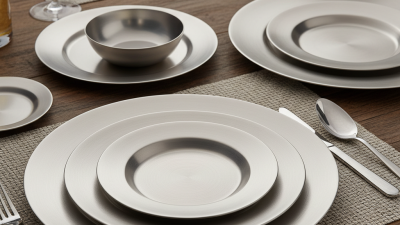
Selecting the right Stainless Steel Dining Plate can significantly influence your dining experience. According to culinary expert Chef Michael Smith, "The right plate showcases the meal and enhances enjoyment." Understanding the features of stainless steel plates is essential for making an informed choice.
Stainless steel plates offer durability and a sleek design, ideal for both casual and formal settings. They resist staining, are easy to clean, and won’t retain odors or flavors from the food. However, not all stainless steel is created equal. It's important to consider the grade of the metal. Higher grades, like 18/10, are more resistant to rust and corrosion.
When shopping for Stainless Steel Dining Plates, examine the weight and build quality. A lightweight plate might seem appealing, but it can compromise durability. Reflect on whether you prioritize aesthetics or functionality. Each option presents its pros and cons. Ultimately, a well-chosen plate can elevate your meal presentation and experience.

Understanding the Advantages of Stainless Steel Dining Plates
Understanding the advantages of stainless steel dining plates is essential for making an informed choice. Stainless steel is durable, resisting breakage and rust. This material is non-toxic and safe for all types of food, making it ideal for families. Unlike plastic, it won't leach harmful substances into your meals. Many appreciate its shiny surface, which enhances dining aesthetics.
Stainless steel plates are easy to clean. They can go from the dishwasher to your table with little hassle. This saves time for busy households. However, it’s worth noting that some people may find stainless steel less attractive than ceramics or glass. The feel of metal can be cold, which might not appeal to everyone.
When selecting a stainless steel plate, consider your everyday needs. Opt for plates with a brushed finish to hide scratches. Look for plates with a good weight to ensure stability. Check the edges; they should be smooth to avoid cuts. Don't forget to think about size. A larger plate offers versatility for various meals, but a smaller one can be more manageable for little hands.
Evaluating Different Types of Stainless Steel Used in Plates
When selecting a stainless steel dining plate, understanding the types of stainless steel is crucial. There are several grades to consider, each with unique properties.
304-grade stainless steel is the most common choice. It's known for its durability and resistance to rust. This makes it ideal for everyday use. However, it can sometimes be prone to scratching.
In contrast, 316-grade stainless steel offers enhanced corrosion resistance. It’s often utilized in marine environments due to its strength.
While this type might be more expensive, it could be a worthwhile investment for those who prioritize longevity. Some plates may use lower-grade stainless steel, leading to rust and wear over time. Evaluating these differences is essential for making an informed choice.
It's also worth noting that weight and finish can impact user experience. Heavier plates tend to feel more stable during use. Yet, they can also be cumbersome to handle. A shiny finish might look attractive but can be prone to fingerprints. Choosing the right combination of grade, weight, and finish can significantly enhance your dining experience.
Factors to Consider When Choosing the Right Size and Shape
When selecting a stainless steel dining plate, size and shape play crucial roles.
A round plate is traditional and versatile, suitable for most meals. However, square or rectangular plates offer modern aesthetics. Consider your dining needs. Are you serving simple breakfast or elaborate dinner? This decision impacts plate shape.
The size of the plate also matters. A standard dinner plate is about 10-12 inches in diameter. This size typically accommodates most meals. However, for smaller servings, a salad or dessert plate at 6-8 inches may suffice. For individuals who love entertaining, larger platters could be beneficial. Reflect on your portion sizes. Are your servings generous or modest?
Another point of reflection is how many plates you need. If you often have guests, investing in a larger set makes sense. However, for solo dining, a few versatile pieces may be all you need. The ideal plate should not only match your style but also fit your lifestyle. Finding the right balance between functionality and appearance is essential in your selection.
Assessing Durability and Maintenance for Long-Term Use
Choosing the right stainless steel dining plate involves understanding its durability and maintenance. Stainless steel plates are known for their resistance to rust, corrosion, and staining. This makes them suitable for everyday use. However, not all stainless steel is created equal. Look for plates made from high-quality food-grade stainless steel. These are often more durable and less likely to warp over time.
Regular cleaning is crucial to maintaining your plates. They can generally withstand high temperatures, but you should avoid abrasive cleaners. Using a soft cloth or sponge can help keep them looking new. If you notice any stains or dullness, a mixture of white vinegar and baking soda can work wonders—it’s gentle yet effective. Always rinse thoroughly to avoid any residue.
Consider the weight of the plates, too. Heavier plates are often more durable but can be cumbersome. Light plates are easier to handle but may not withstand heavy usage as well. If your plate chips or scratches, it may affect its usability. Reflect on how you use your dining plates. Investing in quality options pays off in the long run.
Comparing Cost and Quality: How to Get the Best Value
When selecting a stainless steel dining plate, cost and quality are crucial factors. The market offers various options, each with its own price tag. However, distinguishing between affordable options and high-end products can be tricky. Expensive plates might promise longevity, but quality often depends on the manufacturing process. Thicker gauges typically indicate better durability.
Consider the features that affect both cost and quality. Look for plates with a polished finish for easy cleaning and resistance to scratches. Check if the plate is dishwasher safe, adding convenience to its use. Sometimes, cheaper plates may show signs of wear quicker than their pricier counterparts. You may end up replacing them more often, negating any initial savings.
It's wise to read reviews and seek recommendations before buying. Customer experiences can reveal unexpected issues. Some plates discolor or warp over time, despite looking great initially. This aspect is vital to factor into your decision. Balancing these elements will help you find a dining plate that meets your needs and fits your budget.