How to Choose the Best Stainless Steel Sink for Your Kitchen Renovation
Choosing the right stainless steel sink can significantly impact your kitchen renovation. This decision involves more than just aesthetics. The sink is a centerpiece and must meet practical needs.
Stainless steel sinks are popular due to their durability and modern appearance. They are resistant to stains and can handle heavy usage. However, not all sinks are created equal. Thickness and finish can affect both quality and maintenance.
Consider the size of your kitchen and your cooking habits. Do you need a single or double basin? The layout should enhance functionality. Reflecting on your choices is crucial. A well-chosen stainless steel sink can elevate your kitchen’s style and convenience.
Understanding Different Types of Stainless Steel Sinks Available in the Market
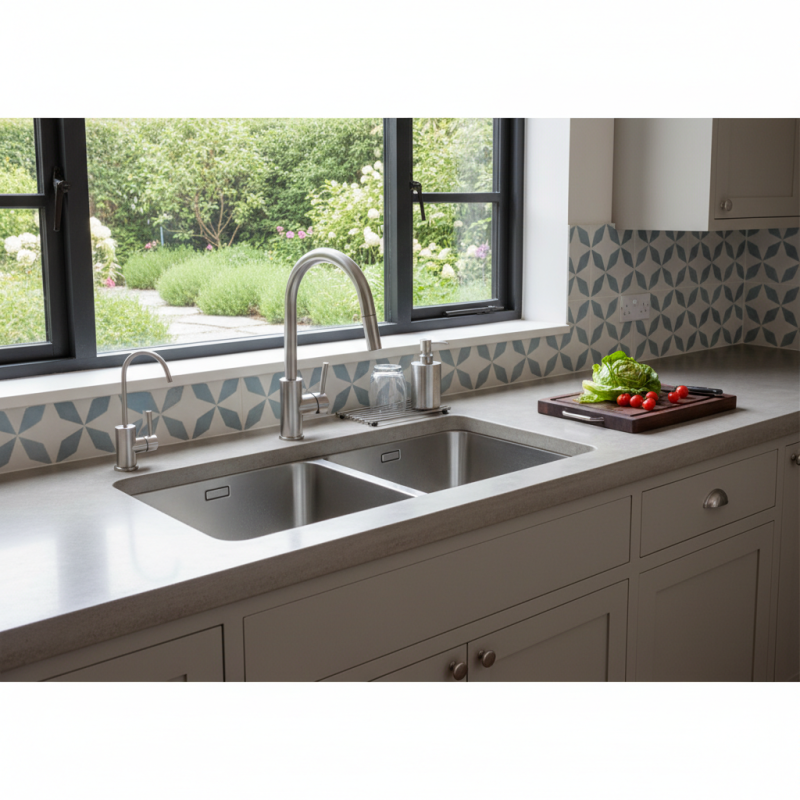
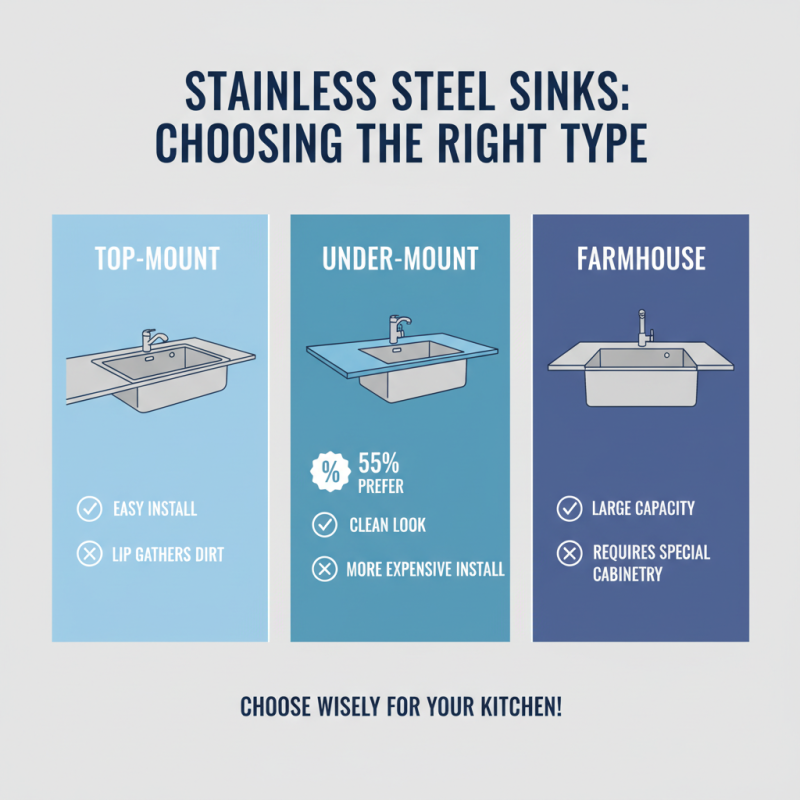
When it comes to choosing a stainless steel sink, understanding the different types available is essential. Many homeowners overlook key features. There are generally three main types: top-mount, under-mount, and farmhouse. Each style has its own set of advantages and potential drawbacks. According to industry reports, about 55% of people prefer under-mount sinks for their cleaner look, but they can be more expensive to install.
Top-mount sinks are often favored for their simplicity. They're easier to install and require less modification to the countertop. However, they might not offer the sleek design that many homeowners desire. Farmhouse sinks stand out due to their unique aesthetic, but they can also require specific cabinetry work. A study found that nearly 40% of homeowners experienced issues with inadequate support for farmhouse sinks, leading to regrets in their renovation choices.
Material thickness is another crucial factor. Sinks often come in 18, 20, or 22 gauge steel. Thicker gauges are more durable and less prone to denting. Yet, they can also drive up costs significantly. While many prioritize aesthetics, it's easy to overlook these practical considerations during the decision-making process. It’s imperative to balance both form and function.
Evaluating the Gauge and Durability of Stainless Steel Sinks
When choosing a stainless steel sink, gauge and durability are crucial factors. The gauge refers to the thickness of the metal. A lower gauge number means thicker steel. Thicker sinks resist dents and scratches better. For a kitchen that sees heavy use, consider sinks with a gauge of 16 or lower. These will withstand daily wear and tear. However, some people may prefer lighter options, thinking they are easier to install. This can lead to compromises in durability.
Durability also depends on the sink’s finish. A brushed finish is more forgiving when it comes to hiding scratches. On the other hand, a polished finish looks sleek but shows imperfections easily. You might find yourself regretting the choice of finish after months of use.
Think about how your family uses the kitchen. If you cook often, take a moment to envision the sink's life in action. A durable sink will serve you well in the long run. However, not every sink labeled "durable" will meet your expectations. Always check reviews and see how they hold up over time.
Considering Sink Size and Configuration for Your Kitchen Space
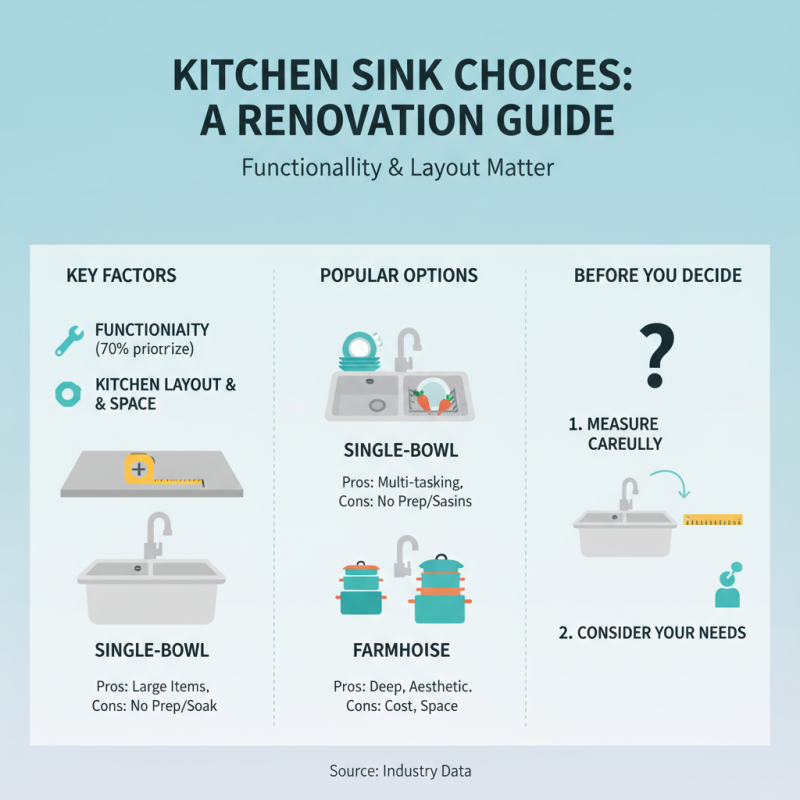
When renovating your kitchen, sink size and configuration play key roles. Industry data shows that 70% of homeowners prioritize sink functionality. Consider your kitchen layout before making a choice. Measure the available space carefully. The most popular options are single bowl, double bowl, and farmhouse styles. Each has its pros and cons.
Tips: Opt for a size that complements your countertops. A sink that is too large can overwhelm a small space. Conversely, a tiny sink in a large kitchen may look out of place. Keep in mind, the standard depth for kitchen sinks is around 8 inches. However, deeper sinks offer more versatility, especially with large pots.
Flat configurations are commonly favored for their seamless integration. However, many overlook the potential for awkward plumbing. This can limit future adjustments. Visualize how often you cook and how the sink fits into your daily life. For instance, a double bowl sink may better suit a family that cooks frequently. Be honest with your cooking habits.
Exploring Finish Options and Their Impact on Maintenance
When considering a stainless steel sink, the finish matters significantly. Various finishes offer different levels of maintenance. A brushed finish tends to hide scratches better than a polished one. However, it can be more challenging to clean. Smudge marks are often more visible on polished surfaces. They require more frequent cleaning to maintain their shine.
Dull finishes can camouflage wear and tear effectively. They support a more rustic look. Yet, water spots can be a persistent issue. Regular upkeep is needed to prevent build-up. Many homeowners overlook how these finishes affect daily use. You might love the sleek look of a polished sink, but it could lead to frustration.
Choosing the right finish involves personal preference and practicality. Heavy use may recommend more resilient options. Think about how often you cook and wash dishes. A finish should align with your lifestyle, not just your taste. A wise decision reflects on long-term satisfaction with your kitchen space.
How to Choose the Best Stainless Steel Sink for Your Kitchen Renovation - Exploring Finish Options and Their Impact on Maintenance
| Finish Type |
Durability |
Maintenance Level |
Scratch Resistance |
Cost Range |
| Brushed Finish |
High |
Low |
Moderate |
$200 - $400 |
| Polished Finish |
Medium |
High |
Low |
$300 - $600 |
| Satin Finish |
High |
Moderate |
Moderate |
$250 - $500 |
| Textured Finish |
Very High |
Low |
High |
$350 - $700 |
Analyzing Features and Accessories for Enhanced Functionality
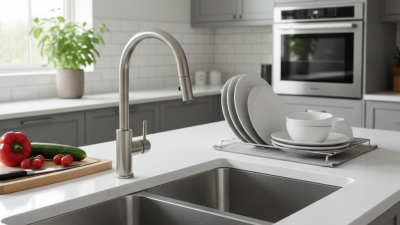
When selecting a stainless steel sink, consider the features and accessories that enhance its usability. A sink with multiple compartments allows for effective multitasking. You can wash vegetables in one side while rinsing dishes on the other. This setup can save time during meal prep.
Look for accessories like cutting boards and colanders that fit seamlessly. A cutting board that rests on the sink's edge can create extra workspace. Similarly, a colander that sits inside the sink can make draining pasta easier. However, not every accessory will be compatible. It’s vital to ensure they match your sink size.
Don’t overlook the importance of a good faucet. A high-arc faucet can make filling large pots easy. A pull-down sprayer adds flexibility for rinsing. However, if the faucet is too tall, splash-back can become an issue. Consider your kitchen height and layout. There are many options, but it can feel overwhelming. Carefully assess what features truly suit your daily needs.
Stainless Steel Sink Features Comparison
This bar chart illustrates the ratings of various features that homeowners consider when choosing stainless steel sinks for their kitchen renovations. The ratings reflect the importance of durability, corrosion resistance, ease of maintenance, noise reduction, and design options.