How to Choose the Best Stainless Steel Kitchenware for Your Kitchen
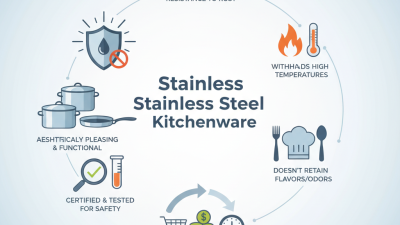
Choosing the best Stainless Steel Kitchenware for your kitchen can impact your cooking experience significantly. The right kitchenware not only enhances the functionality but also adds aesthetic value. According to a recent industry report by the Kitchenware Manufacturers Association, stainless steel products account for over 45% of the kitchenware market due to their durability and versatility.
Expert chef Laura Jenkins states, "Investing in high-quality Stainless Steel Kitchenware is essential for both novice and professional cooks." Her words highlight a truth many overlook. Many kitchen enthusiasts choose cheaper alternatives, often leading to dissatisfaction. It’s not just about price; quality materials make a real difference.
When selecting stainless steel products, consider their grade, finish, and handle design. These elements play vital roles in performance. While stainless steel is known for its longevity, not all products are created equally. Be wary of low-quality options that may warp or rust. Reading reviews and seeking expert opinions can save time and money when making your choice. Taking the time to understand these factors ensures a worthwhile investment in your kitchen.
Understanding the Types of Stainless Steel Kitchenware Available
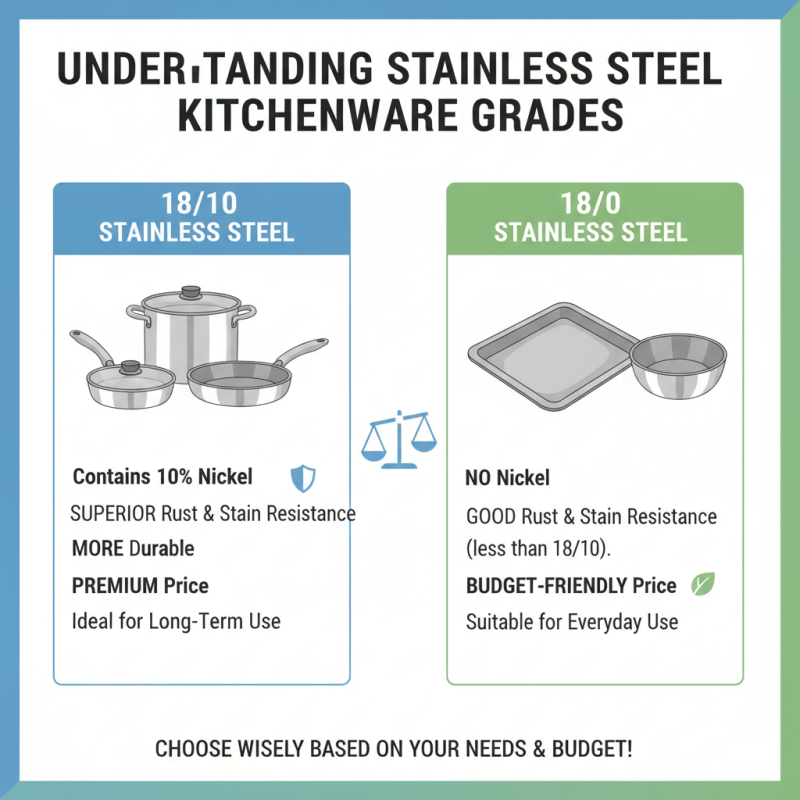
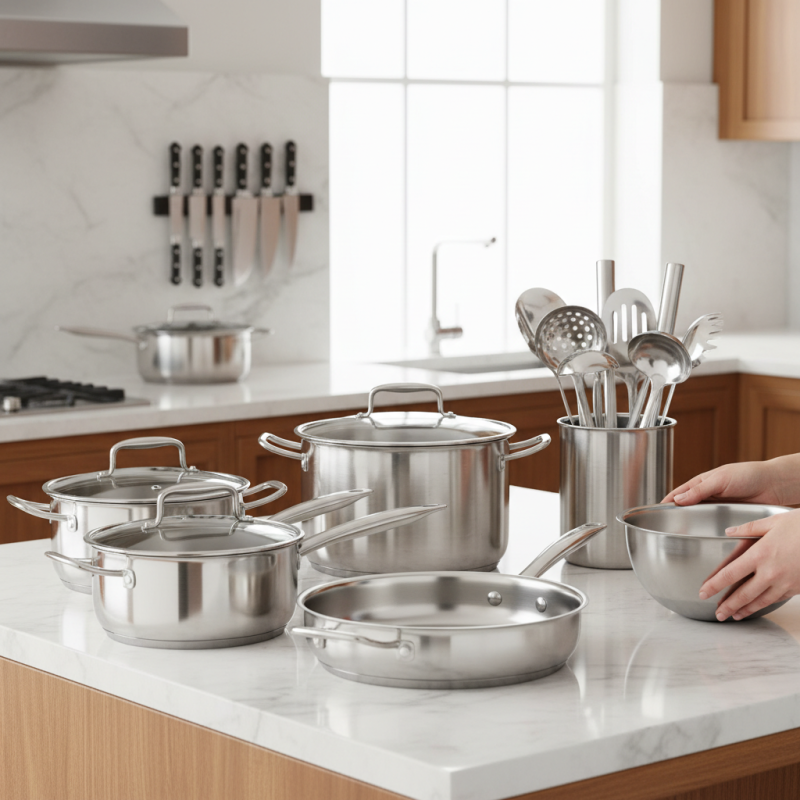
When selecting stainless steel kitchenware, it's essential to understand the various types available. Stainless steel cookware generally comes in two main grades: 18/10 and 18/0. The 18/10 grade contains nickel, offering better resistance to rust and stains. Meanwhile, the 18/0 grade lacks nickel, making it less expensive but also less durable.
The type of stainless steel you choose affects both performance and longevity. Consider this: heavy-gauge pans can distribute heat evenly, while lightweight options may not perform as well. It's crucial to evaluate how often you cook and what dishes you typically prepare. If you frequently make sauces, invest in higher-quality pans. They’ll resist warping and provide better heat retention.
Tips: Check the construction of the handles. They're often the weakest part of cookware. Look for stay-cool handles that ensure safety during use. Also, consider that not all stainless steel is dishwasher safe. Inspect care instructions as some may require hand washing for longevity. Your choices should reflect your cooking habits. Be aware, too, that quality often comes at a price. It’s essential to balance budget with durability and performance to find the best fit.
Evaluating Quality: What to Look for in Stainless Steel Cookware
Choosing the right stainless steel cookware is crucial for any kitchen. Evaluating quality involves several important factors. Look for cookware that is labeled as 18/10 stainless steel. This indicates a composition of 18% chromium and 10% nickel, which provides superior resistance to rust and corrosion. According to the American Test Kitchen, this type helps maintain the cookware's shine while ensuring durability over time.
Tip: When shopping, always check for the thickness of the material. Thicker stainless steel conducts heat better and prevents warping. Many experts suggest at least a base thickness of 3mm for better heat distribution.
Another aspect to consider is the handle design. Look for riveted handles; they offer more stability and strength compared to welded options. A report by the National Kitchen and Bath Association emphasizes the need for ergonomics in kitchen utensils, as comfortable handles reduce the risk of accidents.
Tip: Test the feel of the handles in-store. They should feel secure and comfortable in your grip. Reflect on the fact that even the most renowned cookware can have defects. Always inspect new pieces closely for scratches or dents before buying.
How to Choose the Best Stainless Steel Kitchenware for Your Kitchen - Evaluating Quality: What to Look for in Stainless Steel Cookware
| Feature |
Importance |
What to Look For |
Recommended Thickness |
| Material Grade |
High |
Look for 304 or 18/10 stainless steel |
1.5mm - 2.5mm |
| Reactivity |
Medium |
Non-reactive with acidic foods |
N/A |
| Heat Distribution |
High |
Look for aluminum or copper core |
N/A |
| Durability |
High |
Quality hinges, handles, and lids |
N/A |
| Ease of Cleaning |
Medium |
Dishwasher safe and resistant to staining |
N/A |
| Handle Design |
Medium |
Comfortable, heat-resistant handles |
N/A |
Assessing Heat Conductivity and Durability for Your Cooking Needs
When selecting stainless steel kitchenware, understanding heat conductivity is vital. Good heat conductivity ensures even cooking. It helps prevent hotspots, which can burn food. Some stainless steel cookware features aluminum or copper cores for better conduction. This combination is effective in achieving desired cooking results.
**Tips**: Look for stainless steel with at least 18% chromium and 8% nickel. These percentages indicate good quality. Dense cookware heats more evenly. Lighter pieces may warp under high heat. Regularly check for warping after several uses. It can impact your cooking experience negatively.
Durability is another critical aspect. Quality stainless steel resists rust, scratches, and stains. However, not all stainless steel products are created equal. Some may dent easily or have thin constructions. Examine the weight before purchasing. Lightweight options may seem appealing, but they could lead to disappointment over time.
**Tips**: Always read reviews or ask about the thickness. A thicker gauge usually indicates durability. Compare different pieces for your cooking techniques. Avoid kitchenware that cannot withstand the heat of broiling or high frying. Consider how often you cook and choose wisely.
Heat Conductivity and Durability of Stainless Steel Kitchenware
Choosing the Right Size and Shape for Your Kitchenware
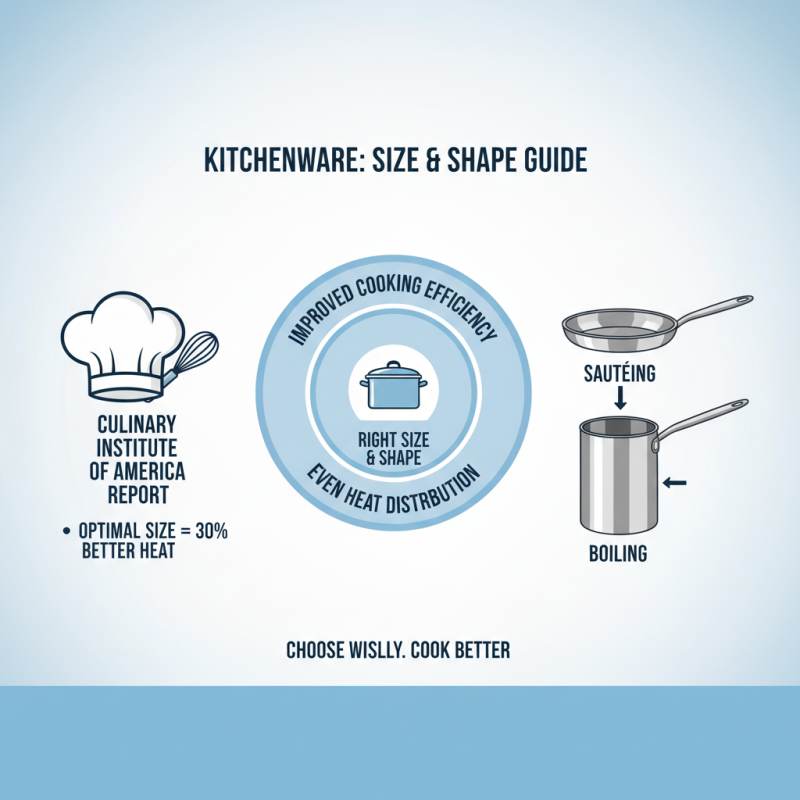
Choosing the right size and shape for your stainless steel kitchenware is crucial. The dimensions of your pots and pans can significantly impact cooking efficiency. For example, a report by the Culinary Institute of America highlights that an appropriately sized pot can improve heat distribution by up to 30%. This makes a considerable difference when sautéing or boiling.
When selecting kitchenware, consider your cooking habits. Do you often prepare meals for a crowd or just for yourself? Larger pans are ideal for entertaining, while smaller options suit single servings. Research shows that 70% of home cooks prefer versatile cookware that can adapt to different recipes. This leads to multifunctional shapes, like deeper skillets or wide sauté pans, which can enhance your culinary experience. However, remember that oversize items can be cumbersome and take up valuable storage space.
Space is another crucial factor. Open shelving requires aesthetic consideration. In contrast, cabinets can hide bulkier items. Measurements are essential here. A well-sized kitchenware set can streamline your cooking process. Yet, many overlook how crucial it is to measure cabinet space when buying new items. Balancing size and shape is not always straightforward and may lead to some trial and error in your kitchen setup.
Maintenance Tips for Long-Lasting Stainless Steel Kitchen Tools
Caring for stainless steel kitchen tools can help them last for years. Light cleaning is often needed after each use. A simple wash with warm, soapy water will do. Avoid abrasive pads that can scratch the surface. Instead, use a soft cloth or sponge for gentle cleaning.
Stains and discoloration can happen over time. If your cookware looks dull, try a mixture of vinegar and baking soda. This can restore some shine. For tough spots, soaking in warm water can be effective. But remember, some stains need time and patience to lift.
Remember, not every scratch can be removed. Accepting minor imperfections can be part of owning stainless steel kitchenware. Over time, these tools tell a story of your cooking journey. Embrace each mark as a memory of meals shared and moments created in your kitchen.