Best Stainless Steel Sink Reviews and Buying Guide?
In recent years, the popularity of stainless steel sinks has surged in modern kitchens. According to a report by the Home Improvement Research Institute, over 70% of homeowners now prefer stainless steel materials for their durability and aesthetic appeal. Industry expert, Emily Johnson, states, "A stainless steel sink not only enhances functionality but also adds a sleek modern touch to any kitchen design."
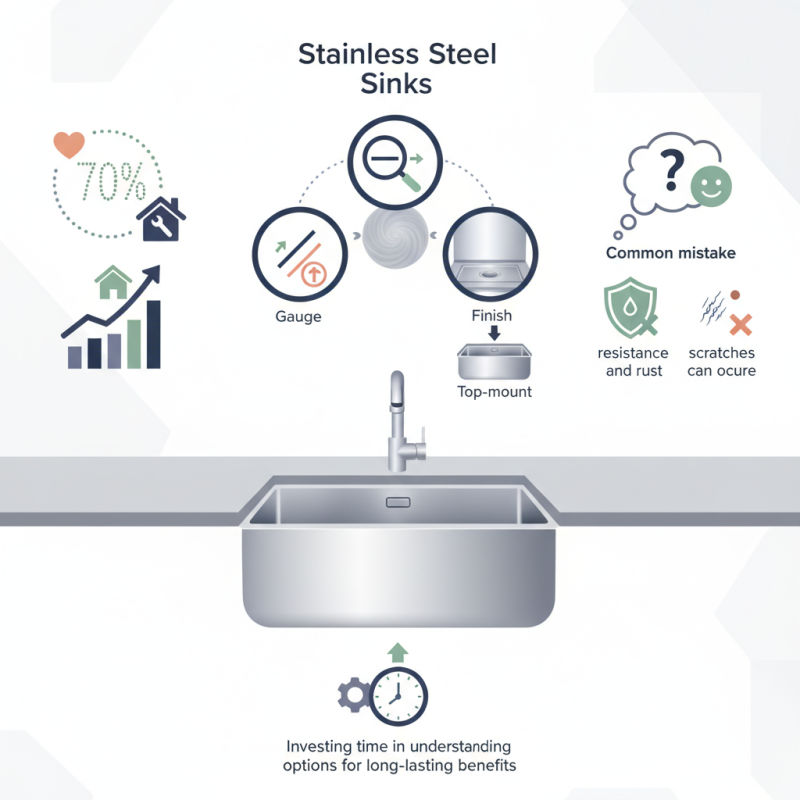
When choosing a stainless steel sink, factors like gauge, finish, and installation type are crucial. High-quality sinks come with a lower gauge number, indicating thicker material, which translates to better durability. Yet, many buyers overlook these specifications. A common mistake is choosing a sink solely based on appearance, not considering how it can impact their kitchen experience.
Moreover, while stainless steel sinks are resistant to stains and rust, they are not entirely immune. Scratches can occur over time, diminishing their visual appeal. It’s vital to weigh these aspects when deciding on your ideal sink, as the wrong choice could lead to dissatisfaction later. Investing time in understanding stainless steel sink options can yield long-lasting benefits in your home.
Understanding the Types of Stainless Steel Sinks Available on the Market
When choosing a stainless steel sink, understanding the various types available is essential. There are typically two main categories: top-mount and undermount sinks. Top-mount sinks sit on the counter, making installation simple. However, they can collect grime around the edges. Undermount sinks offer a sleek look and are easier to clean. Still, they require precise installation, which can be risky for DIYers.
Another consideration is the gauge of stainless steel. Common gauges range from 16 to 22. A lower gauge indicates thicker steel, which can endure heavy use without denting. According to a 2021 industry report, 18-gauge sinks are popular for residential use due to their balance of durability and cost-effectiveness. Nevertheless, a thicker sink often weighs more and may require additional support during installation.
The finish is also vital. Brushed finishes hide scratches better than polished ones. However, polished surfaces can enhance light reflectivity, which may not suit everyone's taste. Additionally, noise can be an issue; thicker steel dampens sound better than thinner options. As with many choices, there are trade-offs. Understanding these different features helps in making an informed decision.
Key Features to Consider When Choosing a Stainless Steel Sink
When choosing a stainless steel sink, several key features demand careful consideration. Gauge thickness is one of the most critical factors. Stainless steel sinks typically range from 16 to 22 gauge. A lower gauge means thicker material, which enhances durability. Reports indicate that a 16-gauge sink can withstand heavier pots and harsh conditions better than a 22-gauge alternative.
Another essential aspect is the sink's finish. Brushed finishes often hide scratches better than polished surfaces, offering a more practical option for daily use. According to industry research, a brushed finish can maintain its appearance longer, making it a favored choice among homeowners. Sound insulation is also crucial. Many sinks come with soundproofing pads that minimize noise. This feature can enhance your kitchen experience, especially during busy cooking times.
Lastly, look at the bowl configuration. A single large bowl provides versatility for washing large items, while double bowls can aid in multitasking. However, choosing the right configuration can be subjective. A design that works for one user could feel cramped for another. Weighing these features against your specific needs will yield the most satisfactory selection process. Consider your lifestyle, and remember that sometimes, less popular options may work better for you.
Stainless Steel Sink Features Comparison
This chart compares key features of stainless steel sinks based on their ratings. Features such as durability, noise reduction, ease of cleaning, design options, and cost are rated on a scale from 1 to 10, offering a quick overview for potential buyers.
Top Brands and Models of Stainless Steel Sinks: A Comparative Review
When choosing a stainless steel sink, several factors come into play. The thickness of the steel affects its durability. A sink with a gauge of 16 or 18 is generally more robust. However, some may find a heavier gauge too loud when washing dishes. Noise dampening features can address this, but they add to the cost.
Design is another important aspect. Deep sinks can accommodate large pots, but they may not fit under all countertops. Some models come with a single bowl, while others offer a double basin. A single bowl is spacious, but a double basin adds functionality. Also, consider the finish. Brushed finishes hide scratches better, while polished finishes look sleek but show wear easily.
Installation is often a hurdle. Some sinks require professional help, increasing overall costs. DIY installations sound easy, but they can lead to leaks if not done correctly. Additionally, reviews of various models reveal common issues. For instance, some sinks may have weld seams that are not smooth, affecting both aesthetics and cleanability. Choosing the right sink requires research, but balancing quality, design, and price can be challenging.
Best Stainless Steel Sink Reviews and Buying Guide
| Model |
Size |
Gauge |
Mounting Type |
Price Range |
Features |
| Model A |
20 x 30 inches |
16 Gauge |
Undermount |
$200 - $300 |
Quiet, Scratch Resistant, Easy to Clean |
| Model B |
22 x 33 inches |
18 Gauge |
Drop-In |
$150 - $250 |
Stylish, Durable, Brushed Finish |
| Model C |
24 x 36 inches |
20 Gauge |
Farmhouse |
$350 - $450 |
Large Capacity, Retro Design, Easy Installation |
| Model D |
18 x 28 inches |
16 Gauge |
Undermount |
$250 - $350 |
Noise Reduction, Modern Design, Easy to Maintain |
Installation and Maintenance Tips for Stainless Steel Sinks
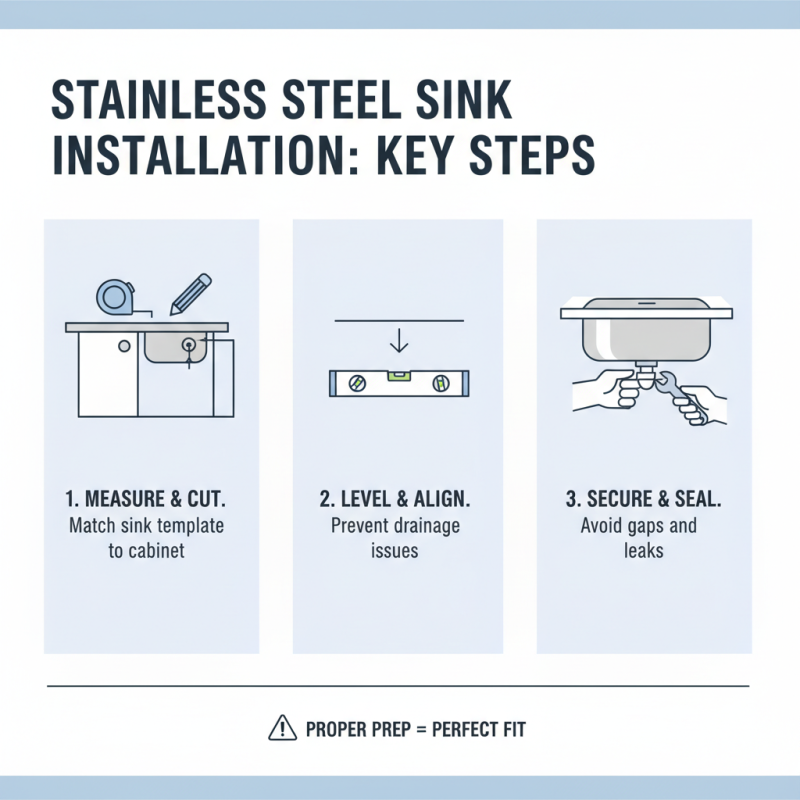
When it comes to installing a stainless steel sink, proper preparation is key. Begin by measuring the cabinet space carefully. Cutouts must match, or the sink may not fit. A poorly sized cutout can lead to gaps, which are hard to fix later. Use a level to ensure your sink is aligned correctly. An unlevel sink can lead to drainage issues.
Maintenance of stainless steel sinks is vital for their longevity. Regularly wipe down the surface with mild detergent and a soft cloth. Avoid harsh cleaners that can scratch the surface. For stubborn stains, a mixture of baking soda and vinegar can work wonders. It’s essential to rinse thoroughly to prevent residue build-up. Remember to dry the sink after each use to avoid water spots.
Cleaning tools can also affect the sink’s durability. Steel wool may damage the finish, leaving it prone to rust. Instead, use non-abrasive sponges. The goal is to maintain a gleaming appearance with minimal effort. Consider using sink protectors to reduce scratches from pots and pans. Small steps in maintenance lead to a beautiful sink over time.
Budgeting for Your Stainless Steel Sink Purchase: What to Expect
When budgeting for a stainless steel sink, you might be surprised by the variety of options available. Prices can range significantly. Basic models may start as low as $100. Higher-end designs can exceed $1,000. The key is understanding what features you need.
Durability and gauge are crucial factors. A thicker gauge often means better quality. Consider whether you want a single or double bowl. Each option has its own pros and cons. Installation costs also vary. Plan ahead for potential plumbing adjustments.
Sometimes, you may overlook hidden costs. Don’t forget accessories like strainers or guards. Small items can add up quickly. It’s wise to research thoroughly. Compare materials, finishes, and styles. Reflect on your cooking habits to find the best sink for your needs. Consider how often you cook and clean. This insight can help you make a more informed decision.